Travel Documents5 min
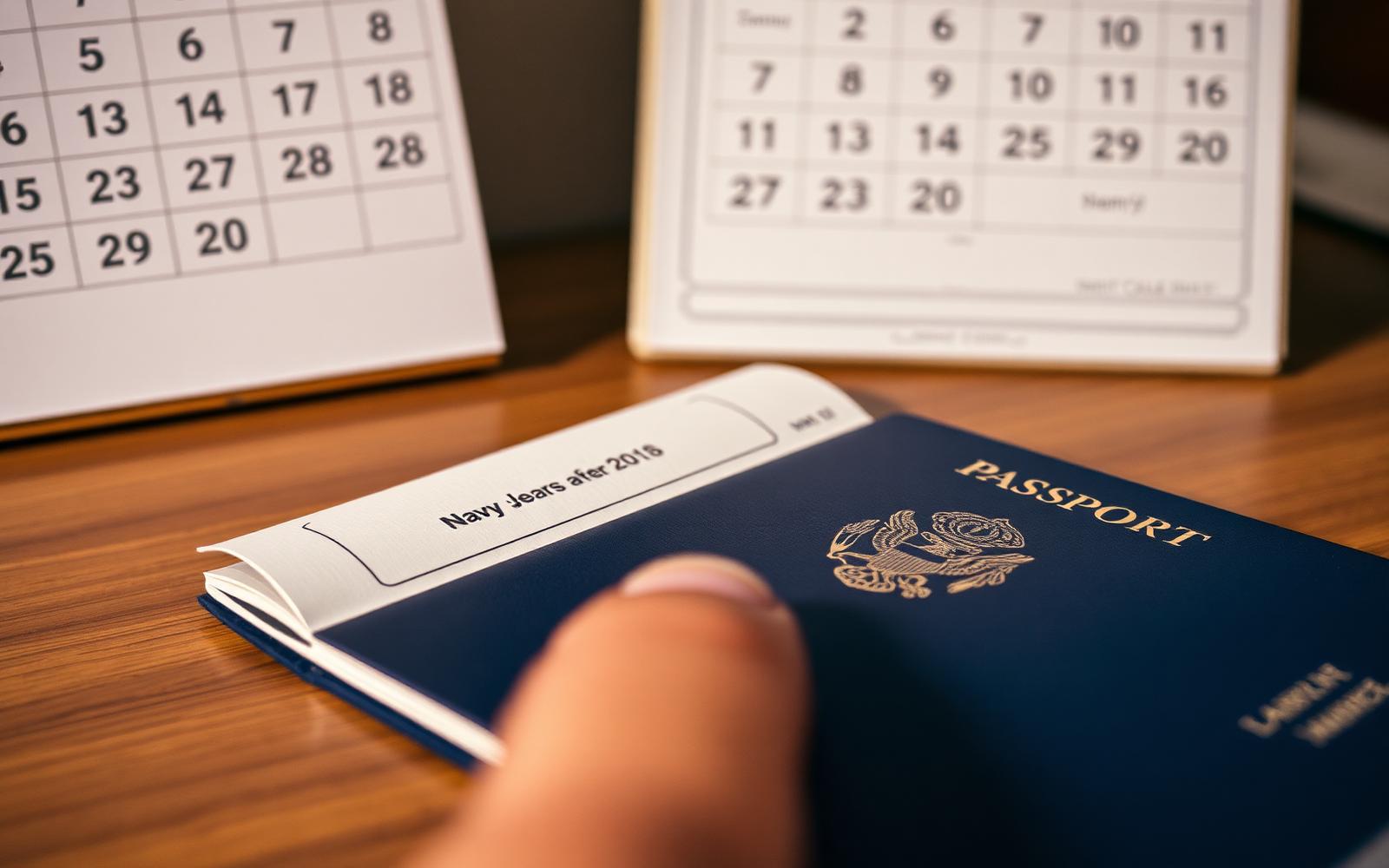
How Much Passport Validity You Actually Need
The six-month rule is common, but it is not universal and it is not always measured the same way.
Read GuideA water stain can end a trip at the check-in desk. Learn the threshold before you travel.
Rules change without notice. Confirm anything time-critical with the airline, airport or border authority handling your journey before you travel. Read our fact checking policy.
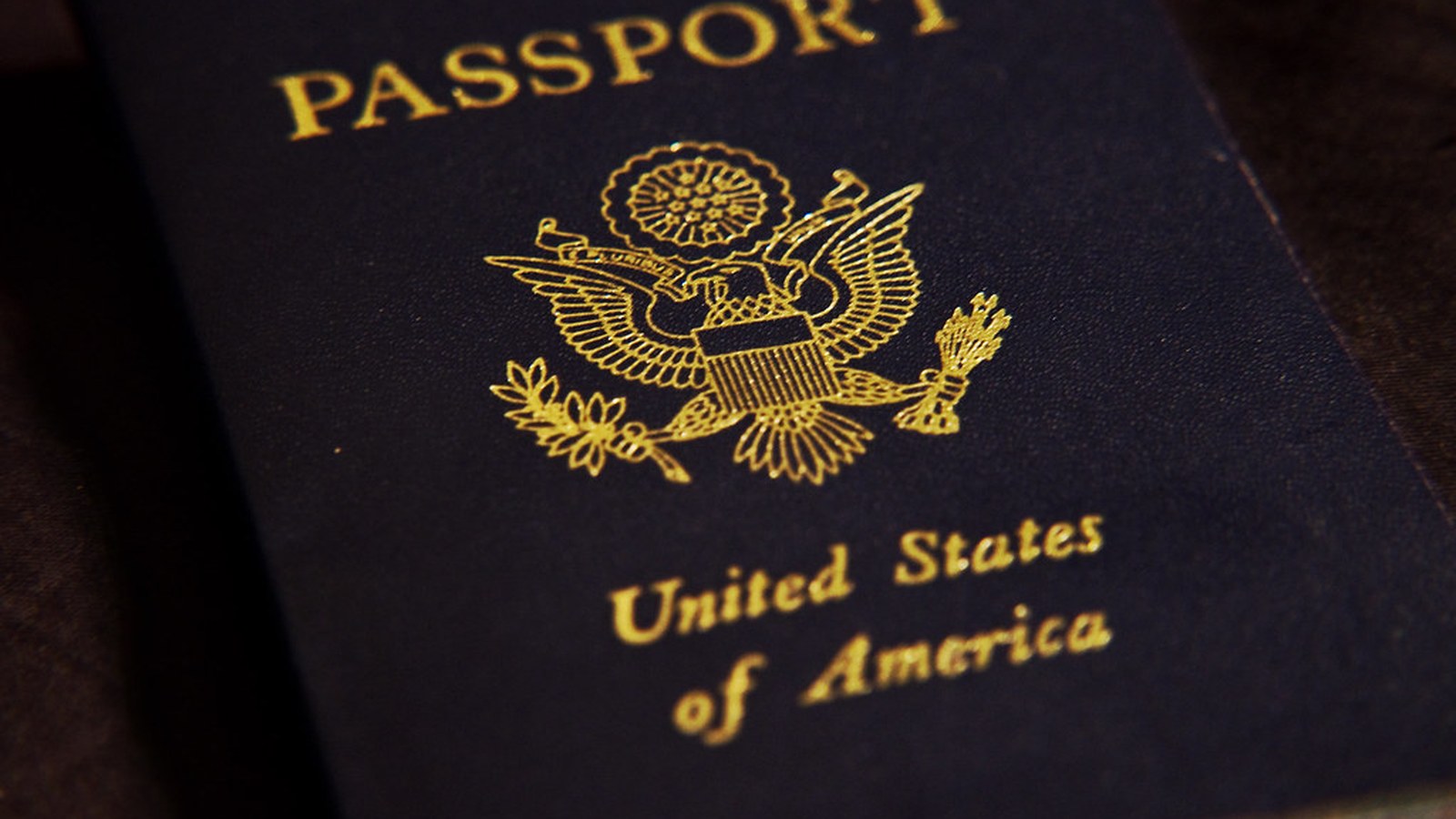
Damage that affects the photo page, the chip, or the readability of the data line can make a passport unusable.
Inspect the photo page and chip area well before departure.
Replace a questionable passport rather than gambling on it.
Ask your passport authority for an emergency document if time is short.
Passports get thrown in beach bags, left in back pockets through a wash cycle, and bent in coat linings for years without incident, until the one time an agent at Charles de Gaulle 2E looks twice and decides it is not acceptable anymore.
There is no single universal test for what counts as damage. Airlines apply their own judgment at check-in, and immigration officers apply theirs on arrival, which means the same passport can pass one desk and fail another.
This guide sets out the categories of damage that most commonly cause trouble, why the chip matters more than most travelers realize, and what to do if you discover the problem close to a trip.
Cosmetic wear, a bent corner, a slightly faded cover, does not usually cause a problem. What matters is anything that interferes with reading the data page or scanning the chip.
The chip is the hidden risk
Modern passports contain an embedded chip that stores your biometric data. Bending a passport sharply, or leaving it near strong magnets, can crack the chip even when the cover looks fine.
Airlines face fines in many countries for carrying a passenger who is then refused entry, so ground staff at carriers like Emirates or Delta are trained to reject a passport that looks likely to cause a problem at the destination, even if departure immigration lets it through.
This is why a damaged passport can be stopped at check-in before you ever reach a border officer. The airline is protecting itself from the cost of flying you back.
It varies by airline and by agent
Two staff members at the same check-in row can reach different conclusions about the same passport. This is normal, if frustrating, and not something you can appeal on the spot.
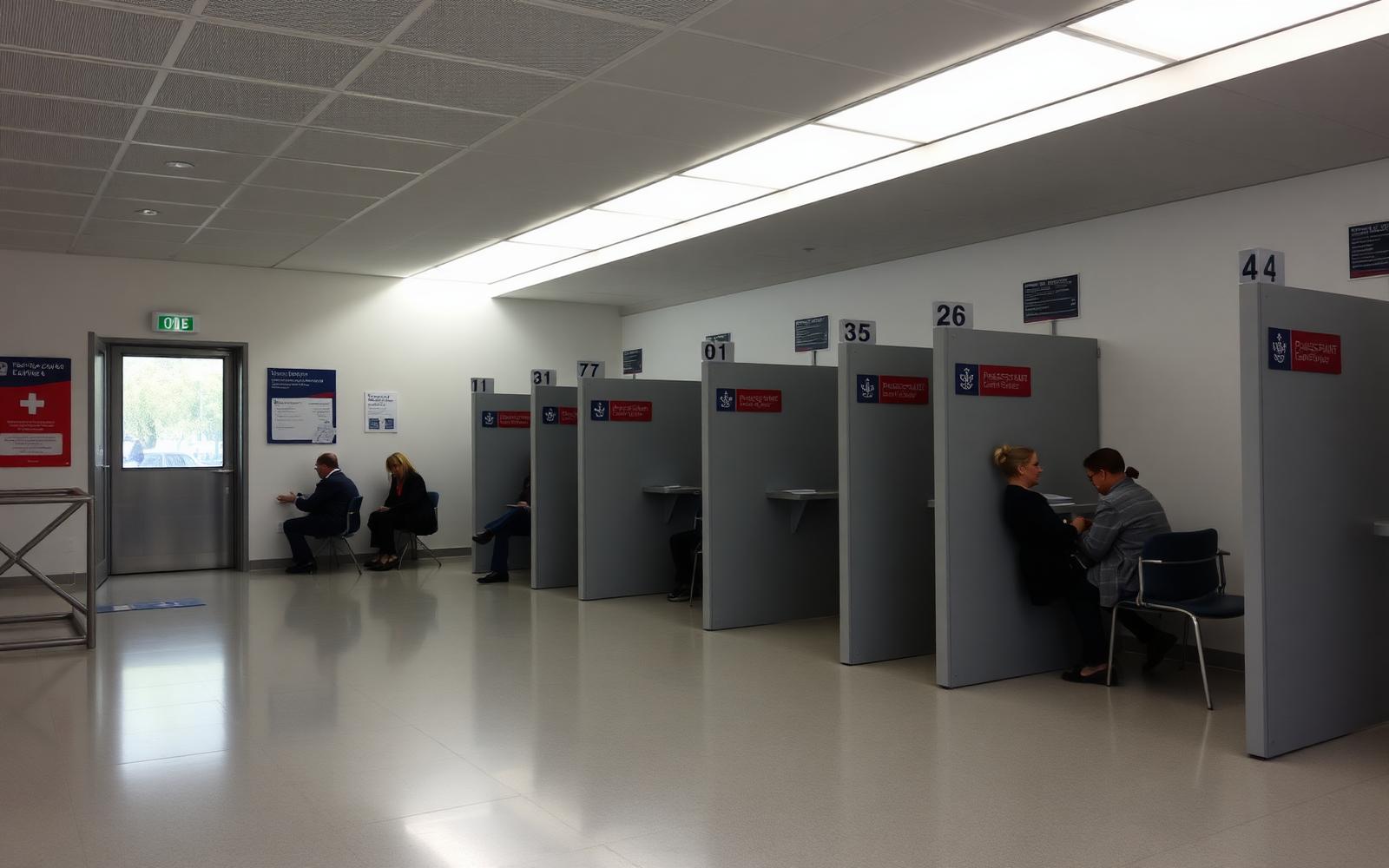
This is worth doing months before a trip, not the week before, because passport renewal in many countries has taken longer than usual since the pandemic-era backlog and has never fully returned to old processing times everywhere.
| Country | Standard processing | Expedited option |
|---|---|---|
| United States | 6 to 8 weeks | 2 to 3 weeks, fee applies |
| United Kingdom | 3 to 10 weeks | Fast track, 1 week, fee applies |
| Germany | 4 to 6 weeks | Express service in some cities |
| Australia | 3 weeks average | Priority processing available |
These figures move around with demand, so always check the current times on the government's own passport office page rather than relying on a fixed number from an article.
If a passport is damaged close to departure and a full renewal is not realistic, most countries offer some form of emergency or temporary travel document through an embassy or consulate, sometimes issued within a day for genuine emergencies.
A real-world case
A traveler discovering a cracked laminate two days before a flight from Narita back to Toronto was able to get a limited-validity emergency passport from the Canadian consulate the same afternoon, after showing the original damaged document and a flight itinerary.
Bring evidence, not just the damaged passport
A copy of your itinerary, an old passport if you have one, and a government ID all speed up an emergency document request.
Ask the check-in agent directly rather than hoping it slides through. If they flag it, ask whether a supervisor can review it, since supervisors sometimes have more latitude on borderline cases.
If the airline will not accept the passport, contact your embassy immediately. Airports with consular services on site, which includes some terminals at Heathrow T5 and JFK T4, can sometimes issue guidance faster than a distant consulate.
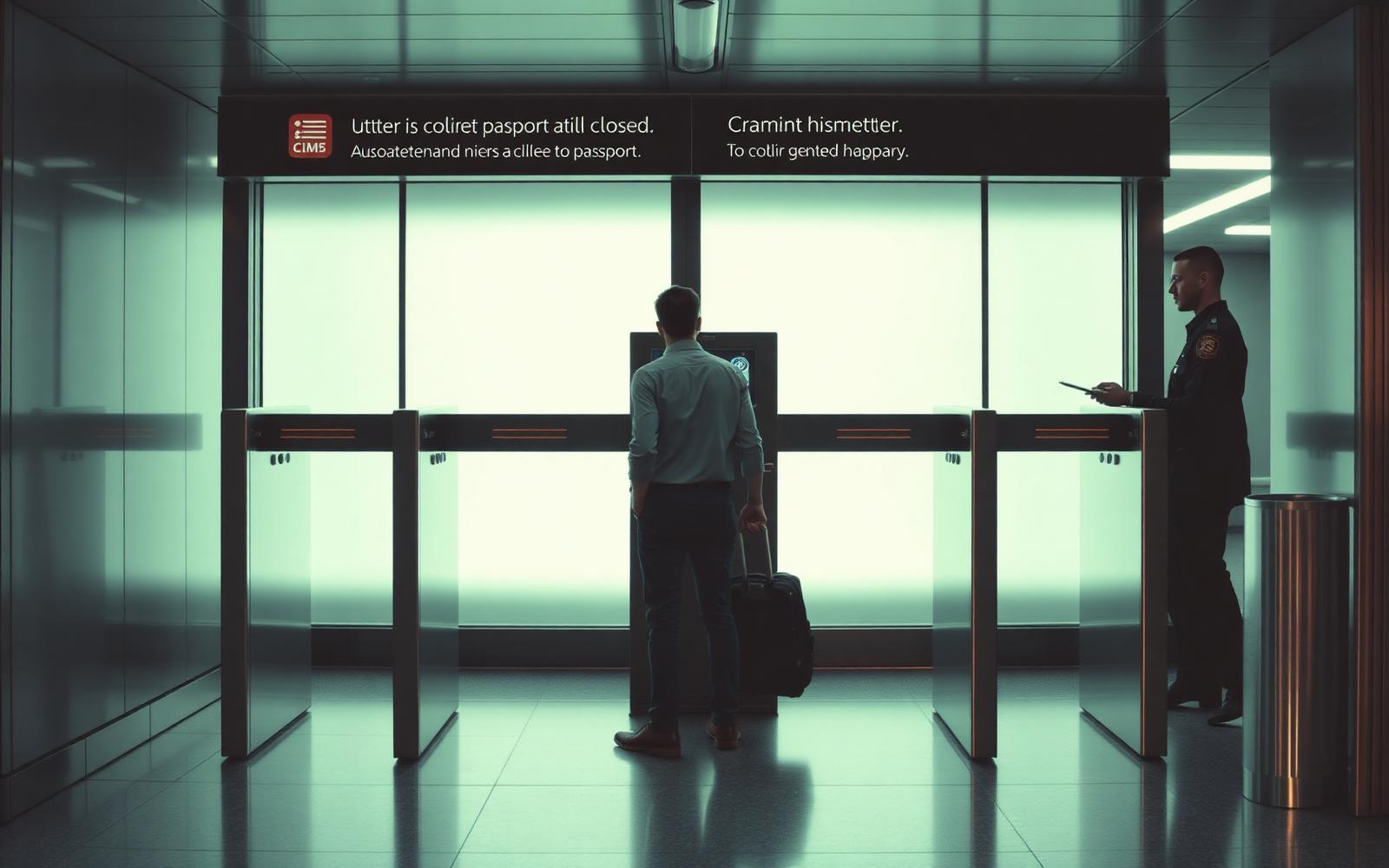
A damaged passport is treated as a personal document failure, not an airline fault, so airlines are not obligated to rebook you free of charge if you miss a flight because of it. Some travel insurance policies cover emergency document costs and related rebooking, so check your policy wording before you assume there is no recourse.
Do not expect compensation
This situation sits outside standard denied boarding compensation frameworks because the cause is the traveler's document, not the airline's operation.
Passport damage is one of the few travel problems that is entirely preventable with a five minute check months before departure. Waiting until the airport to find out is the expensive version of this problem.
If in doubt, treat a questionable passport as unusable and start a renewal or emergency document process early rather than hoping an agent lets it through. The cost of a new passport is small compared to the cost of a missed flight.
Keep a digital copy of your passport's data page and consider registering with your embassy's travel program before a big trip, since either one shortens the time it takes to sort out an emergency replacement if something does go wrong.
This guide was written and checked against the following categories of primary source.
Government travel and entry information
Destination entry requirements, passport validity and minor travel rules published by national authorities.
Border and immigration authority guidance
Transit, airside and visa-on-arrival procedure as published by the authority operating the border.
Travel documentation authorities
Passport issuing offices on condition, damage and replacement rules.
Carrier document requirements
Airline conditions of carriage covering documents checked before boarding.
Related
Guides that answer the questions readers usually have immediately after this one.
The six-month rule is common, but it is not universal and it is not always measured the same way.
Read Guide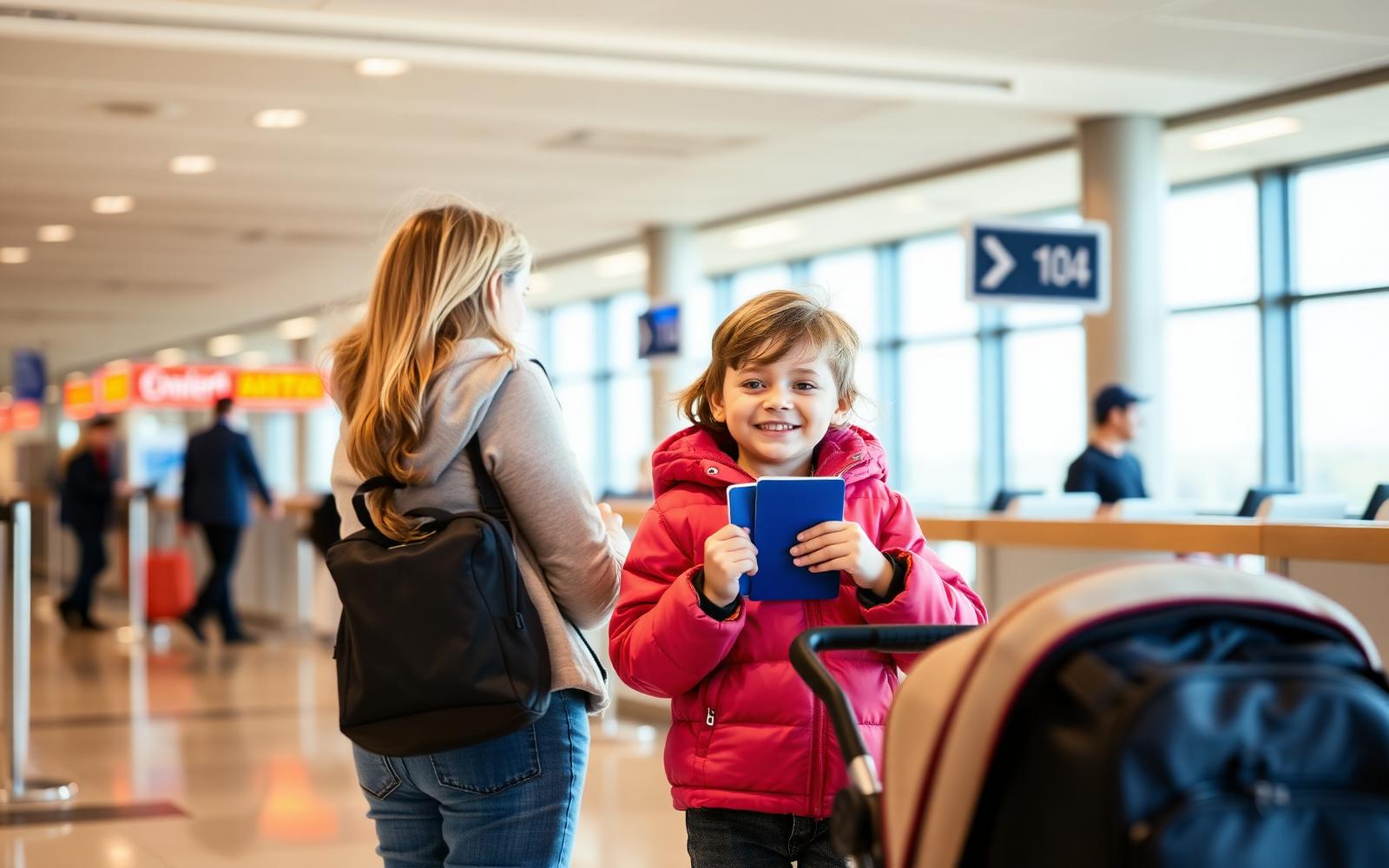
Passports, consent letters and birth certificates, what is needed and when.
Read Guide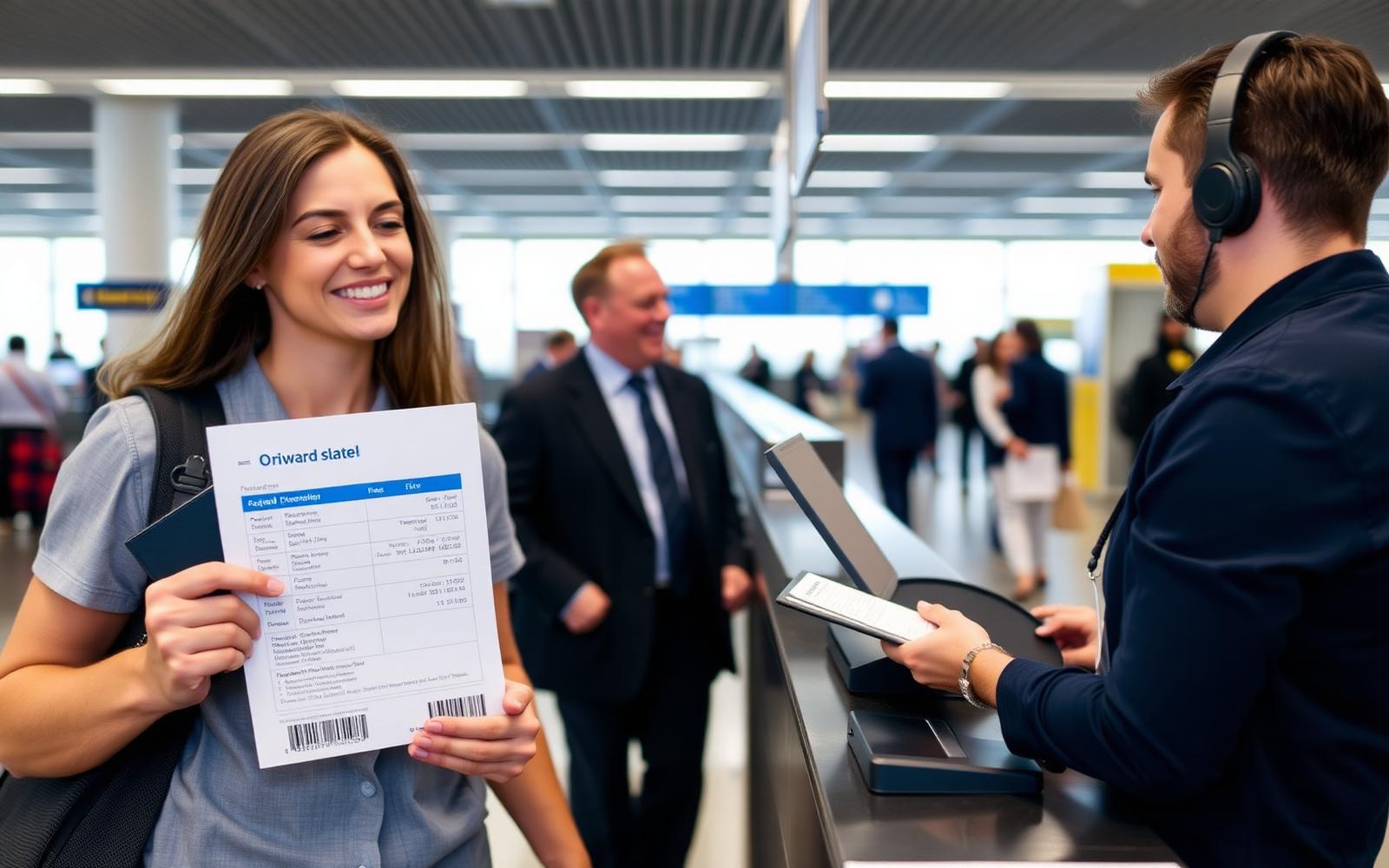
Airlines sometimes ask before border officers do. Here is what satisfies the check.
Read GuideNext steps
Refund Help
Travel Change Desk
Route Alternatives Desk
Updated 20 July 2026
Updated 14 July 2026
Updated 9 July 2026
Updated 2 July 2026
Newsletter
A short email when a rule changes, a new guide lands, or a document requirement shifts. No promotions, no fares, no noise.
Open the Helpdesk. Eight desks, one structure, and an answer to the question you actually have.