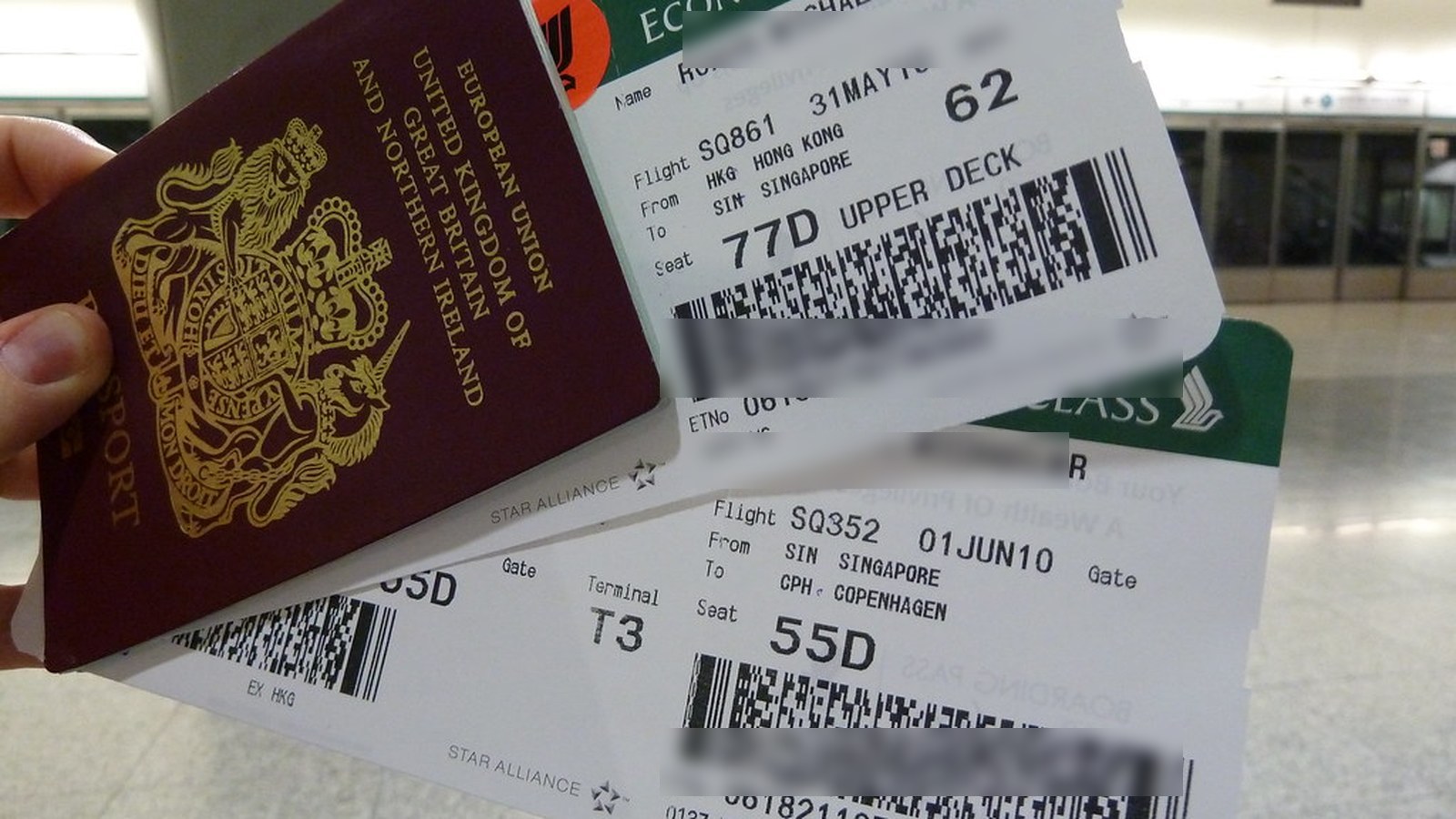
Split Tickets Explained: Cheaper, But Riskier
Two separate tickets can cut the price of a long journey. They also move all connection risk onto you.
Read GuideThe uncomfortable answer, and the three moves that limit the damage.
Rules change without notice. Confirm anything time-critical with the airline, airport or border authority handling your journey before you travel. Read our fact checking policy.
The second airline treats you as a no-show. Recovery depends on speed and on any protection product you bought.
Contact the second airline before the flight departs, not after.
Check whether the booking platform sold a self-transfer guarantee.
Price the cheapest replacement one-way immediately, before availability drops.
A self-transfer is any itinerary where two flights are booked on separate tickets, even if the same website sold you both and displayed them as one journey. On paper it looks like a connection. Legally it is two unrelated contracts that happen to share an airport.
That distinction only matters on the day it goes wrong. When the first flight lands late, the second airline does not see a delayed connecting passenger. It sees someone who did not turn up, and it applies its no-show rules accordingly.
This guide covers what actually happens in that situation, what the first hour looks like if you handle it well, and how to tell in advance whether the itinerary in front of you carries a manageable risk or an expensive one.
Once check-in closes and you are not on the list, the booking is marked as a no-show. This is not a penalty aimed at you, it is simply how the reservation system treats an unused seat.
The return leg is the expensive surprise
If you booked the second flight as a return, missing the outbound frequently cancels the inbound as well. Travelers discover this a week later at the airport. If you miss a leg of a return booking, call the airline the same day and ask specifically whether the remaining segments are still valid.
There is one useful exception. Some airlines will apply a flat change fee rather than voiding the ticket if you contact them before the flight departs. The window is narrow and it closes the moment the aircraft pushes back.
Speed matters more than anything else here, and the useful actions start while you are still in the air on the first flight, not after you land.
Ask for a specific flight, not for help
Ground staff at a ticket desk respond much faster to a request like moving to the 18:40 service with two seats still available in the lowest bucket than to a general explanation of what went wrong. Look up the alternatives before you reach the counter.
Several booking platforms sell what is effectively a virtual interlining guarantee. Kiwi's Guarantee is the best known, and Dohop powers similar products branded by airlines and airports, including Vienna, Gatwick and several Star Alliance members.
When it works, the platform rebooks you on the next reasonable alternative, or refunds the unused leg, and in some cases covers a hotel if the alternative is the next day. When it does not work, it is usually because a condition was missed rather than because the product failed.
| Condition | Typical requirement | Why claims fail |
|---|---|---|
| Notification window | Contact within 2 to 24 hours of the disruption | Traveler booked their own replacement first |
| Self-rebooking | Do not buy a new ticket before approval | Purchase made independently is not reimbursed |
| Covered legs | Only flights inside the protected itinerary | A separately added leg is excluded |
| Hotel cover | Capped nightly amount, receipts required | Booked without approval or above the cap |
| Ground transport | Often excluded entirely | Assumed to be covered and was not |
Travel insurance is a different question
Standard travel insurance often excludes missed connections between separate tickets, because the policy defines a connection as one booking. Some premium policies include missed departure cover with a minimum delay threshold, typically three or six hours. Check the specific wording rather than assuming.
Most self-transfers are unprotected, so this is the common case. The goal shifts from recovering the original plan to keeping the replacement cheap.
Where the first flight was delayed under a regime such as EU261 or UK261, you may still have a compensation claim against that first airline for its own delay. That claim does not cover the ticket you lost on the second airline, but it can offset part of the cost.
How a bad day can end reasonably
A traveler flying Ryanair from Dublin to Milan Bergamo, then Wizz Air from Milan Malpensa to Bucharest, loses the second flight when the inbound arrives 100 minutes late. She calls Wizz Air from the coach into Milan, pays a change fee onto the next evening's flight, and books a 62 euro city hotel rather than an airport one. Total damage is around 150 euros instead of the 340 a fresh walk-up fare would have cost.
Self-transfers are not a bad idea. They open routes that no single airline sells and often cost far less. They just need a buffer that reflects the fact that nobody is looking after you.
Hand luggage only changes the odds significantly
Travelling with cabin bags alone removes the baggage reclaim wait and the check-in desk cut-off, which together account for most of the time lost in a self-transfer. On a tight two-ticket itinerary it is often the difference between making it and not.
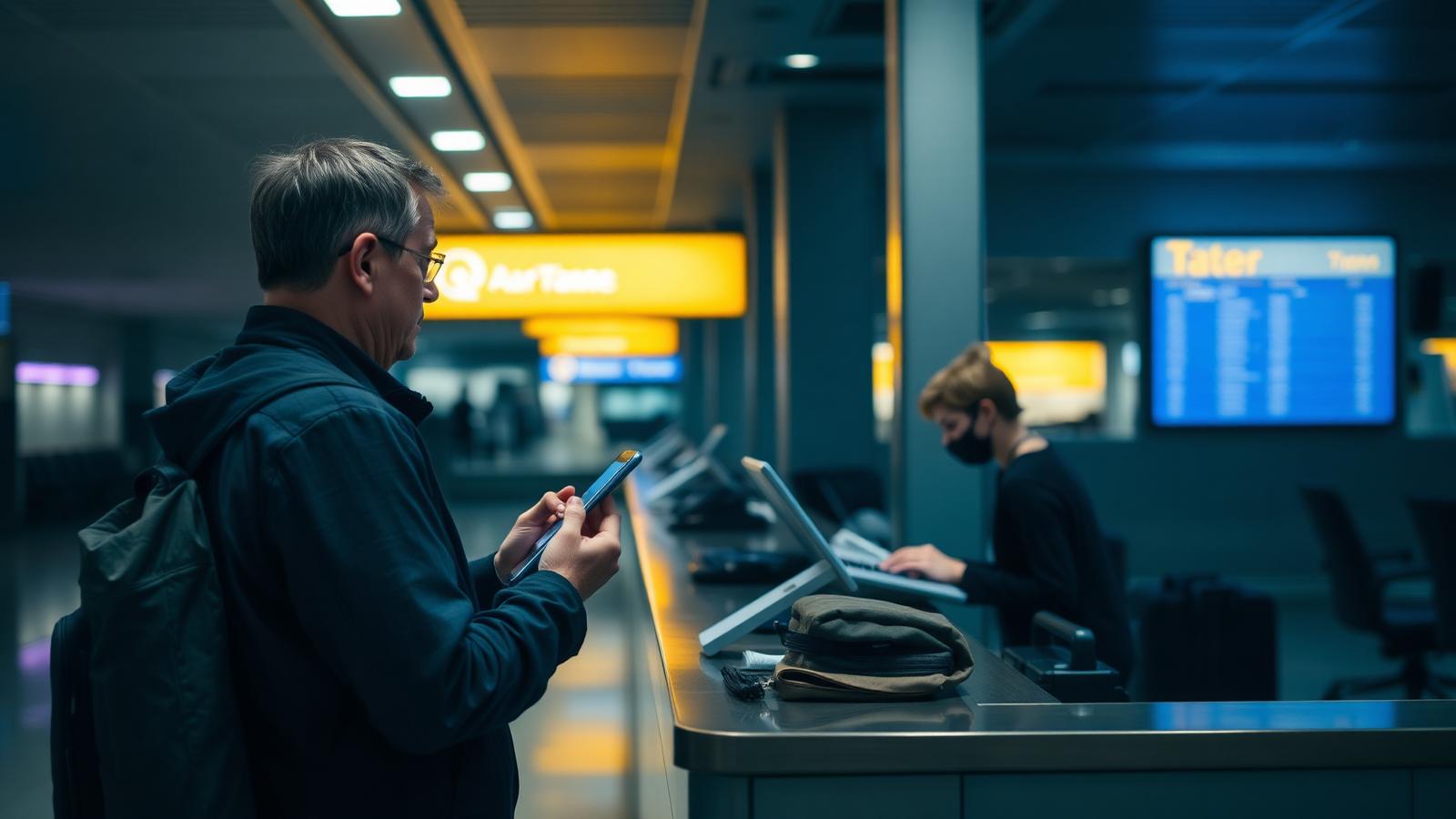
A self-transfer is two separate contracts. When the first flight runs late, the second airline records a no-show, voids the fare and owes you nothing, including any onward legs on the same booking.
Speed decides the cost. Contacting the second airline before their flight departs often converts a lost ticket into a change fee, and finding the exact alternative before you reach a desk saves both time and money.
Check for a protection product before doing anything else, and follow its rules precisely. Buying your own replacement first is the most common reason otherwise valid claims are refused.
The best fix is preventive: four hours minimum on a simple self-transfer, five or six where immigration and bag re-check are involved, and never make the second flight the last departure of the day.
Related
Guides that answer the questions readers usually have immediately after this one.
Two separate tickets can cut the price of a long journey. They also move all connection risk onto you.
Read Guide
Minimum connection times are a legal floor, not a recommendation. Here is how to build a realistic buffer.
Read Guide
The fare looks better. Then ground transport, timing and risk enter the calculation.
Read GuideNext steps
Travel Planning
Travel Change Desk
Airline Rules Desk
Updated 20 July 2026
Updated 14 July 2026
Updated 9 July 2026
Updated 25 June 2026
Newsletter
A short email when a rule changes, a new guide lands, or a document requirement shifts. No promotions, no fares, no noise.
Open the Helpdesk. Eight desks, one structure, and an answer to the question you actually have.