Flight Delays5 min
Delay or Cancellation: Why the Difference Matters
The label on the board changes your options, your entitlements and your next move.
Read GuideAircraft position, crew timing and weather tell you more than the departure board does.
Rules change without notice. Confirm anything time-critical with the airline, airport or border authority handling your journey before you travel. Read our fact checking policy.
If no aircraft is at the gate 40 minutes before departure, the delay is likely to grow.
Track the inbound aircraft to estimate the real departure time.
Check whether other flights on the same route are also delayed.
Start rebooking conversations early rather than waiting for an announcement.
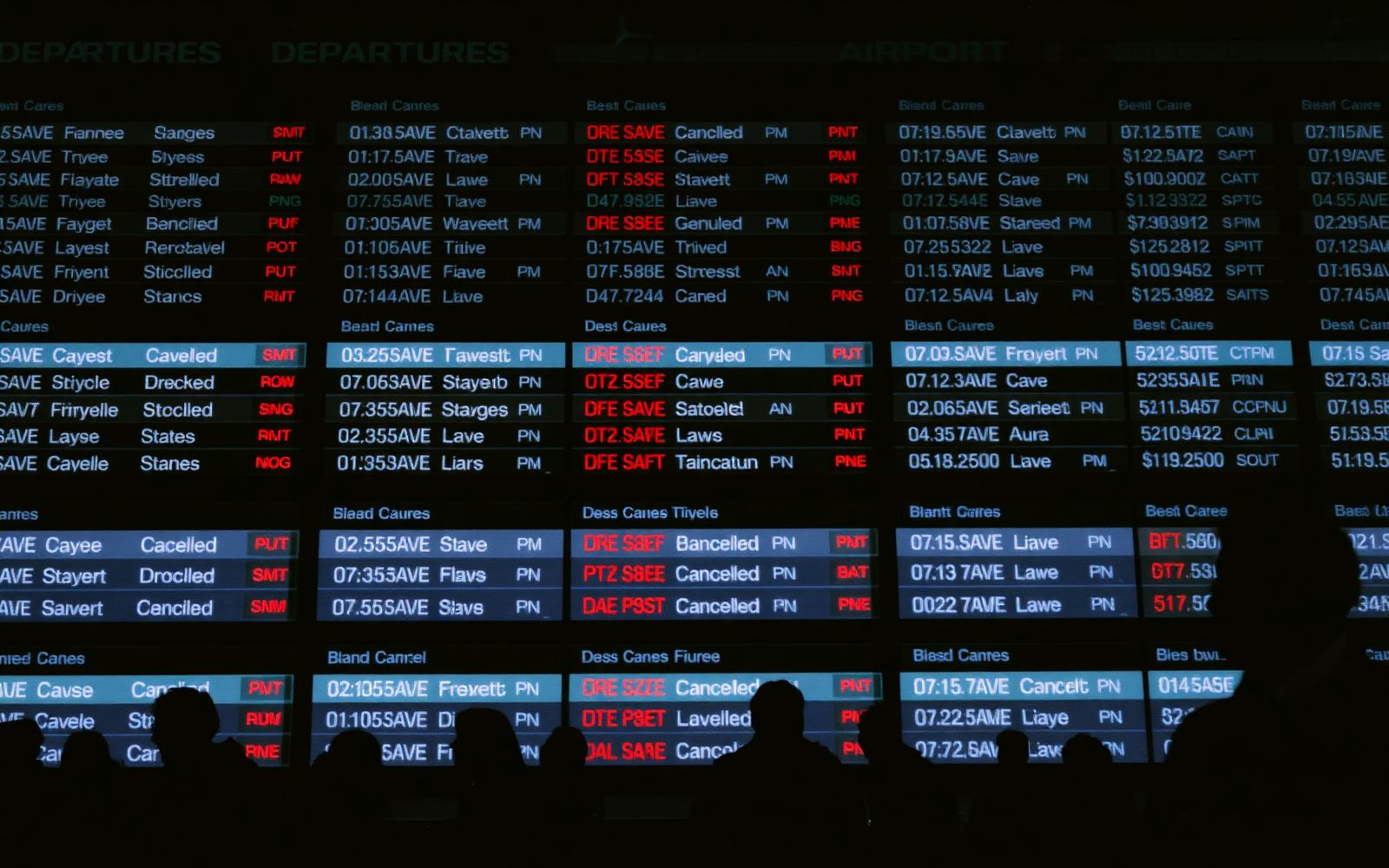
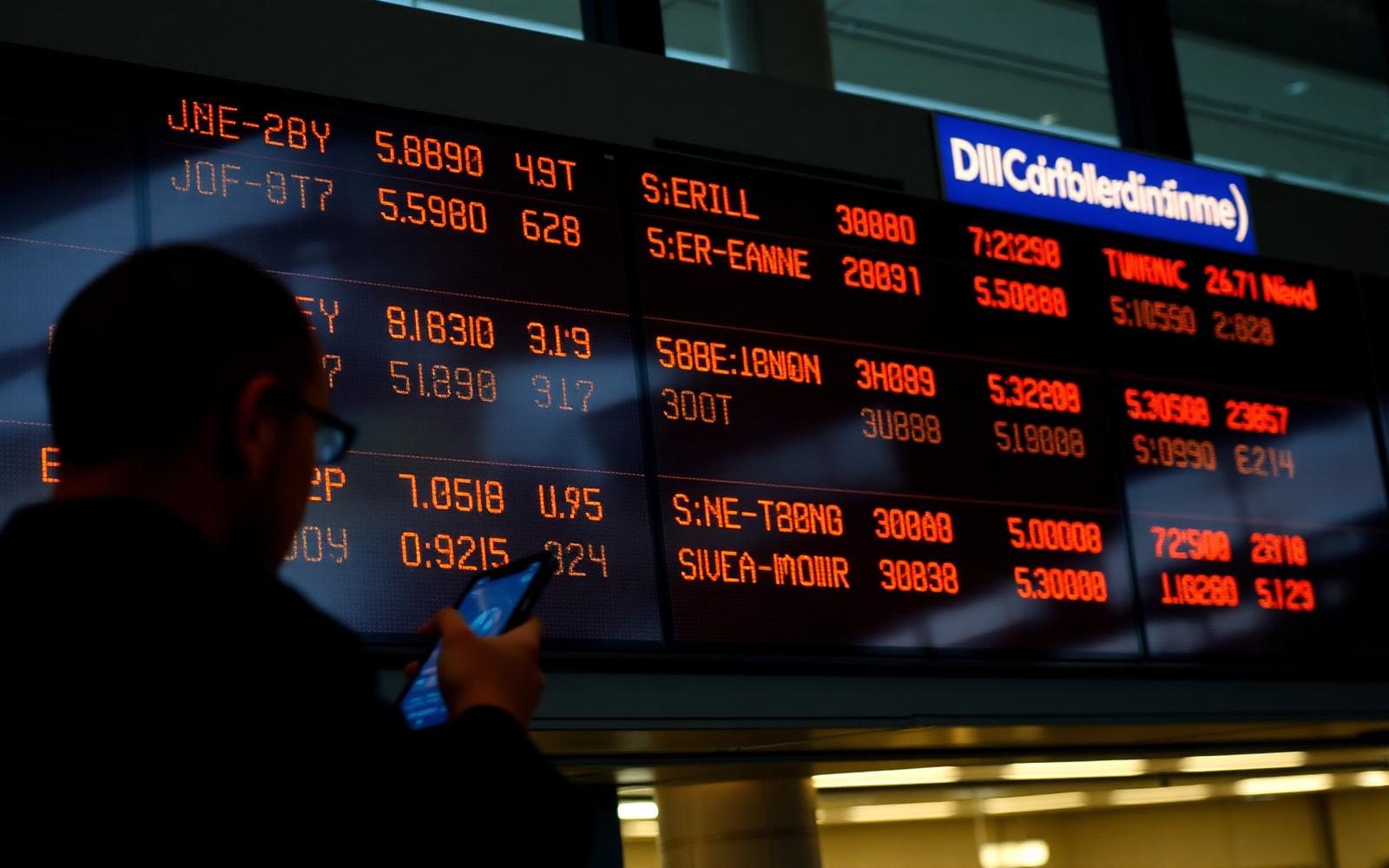
Departure boards are a summary, and usually an optimistic one. Airlines update them in increments, because a single large delay announcement causes more disruption at the gate than three small ones. The result is the familiar pattern of a flight slipping by twenty minutes, then twenty more, then an hour.
The information that would have told you the real answer was available the whole time. Where the aircraft is, whether it has taken off, how long the crew has been on duty, and what the rest of the airport is doing on the same routes.
This guide explains how to read those signals yourself, roughly an hour before anyone at the gate makes an announcement. The goal is not to outsmart the airline. It is to start your rebooking conversation while there are still seats left on the alternative.
Almost every short and medium-haul flight is operated by an aircraft that has just arrived from somewhere else. If that aircraft is still on the ground 700 kilometres away, your flight cannot leave on time, regardless of what the board says.
Flight tracking sites and most airline apps show the inbound rotation. Search your flight number and look for the previous leg of the same aircraft registration. Then do simple arithmetic.
| Situation at 60 minutes before departure | Realistic outcome |
|---|---|
| Aircraft parked at your gate, doors open | On time or minor delay |
| Aircraft airborne, landing in 20 minutes | Delay of roughly 20 to 35 minutes |
| Aircraft airborne, landing in 50 minutes | Delay of at least an hour |
| Aircraft still on the ground at the origin airport | Delay of 90 minutes or more, and likely to grow |
| No aircraft assigned to the flight at all | High cancellation risk, act now |
Turnaround time is not optional
A narrowbody aircraft needs roughly 30 to 45 minutes on the ground between flights for deplaning, cleaning, fuelling and boarding. A widebody needs 60 to 90. Take the inbound landing time and add that turnaround, then compare it with the board. Whichever is later is the honest estimate.
Flight and cabin crew work to strict duty limits. When a day has already run long, a crew can become legally unable to operate the last sector even though the aircraft is sitting at the gate ready to go.
Aircraft at the gate does not mean the flight is safe
The most misread situation in any terminal is an aircraft parked and quiet with a departure time that keeps moving in ten minute steps. That pattern usually indicates a crew or technical issue, and it resolves badly more often than a straightforward late inbound.
Weather rarely stops a flight on its own. What it does is reduce the number of movements an airport can handle per hour, and air traffic control then issues slot restrictions that ripple across the network for the rest of the day.
A thunderstorm cell over Amsterdam Schiphol at midday will still be affecting departures from Malaga at six in the evening, because the aircraft and crews have been displaced. This is why checking a single weather forecast at your own airport tells you very little.
Reading a summer afternoon at Chicago O'Hare
A traveler due out at 17:20 sees a 20 minute delay posted. The arrivals board shows twelve inbound flights running 40 to 90 minutes late, and a convective weather advisory is active over the region. The 20 minute figure is a placeholder. She books a hotel refundable until 18:00 and joins the rebooking queue before the announcement comes, which is where the last two seats on the evening alternative go.
Physical signals at the gate are often ahead of the digital ones, because ground staff know before the system is updated.
Stand where you can see the aircraft, not the screen
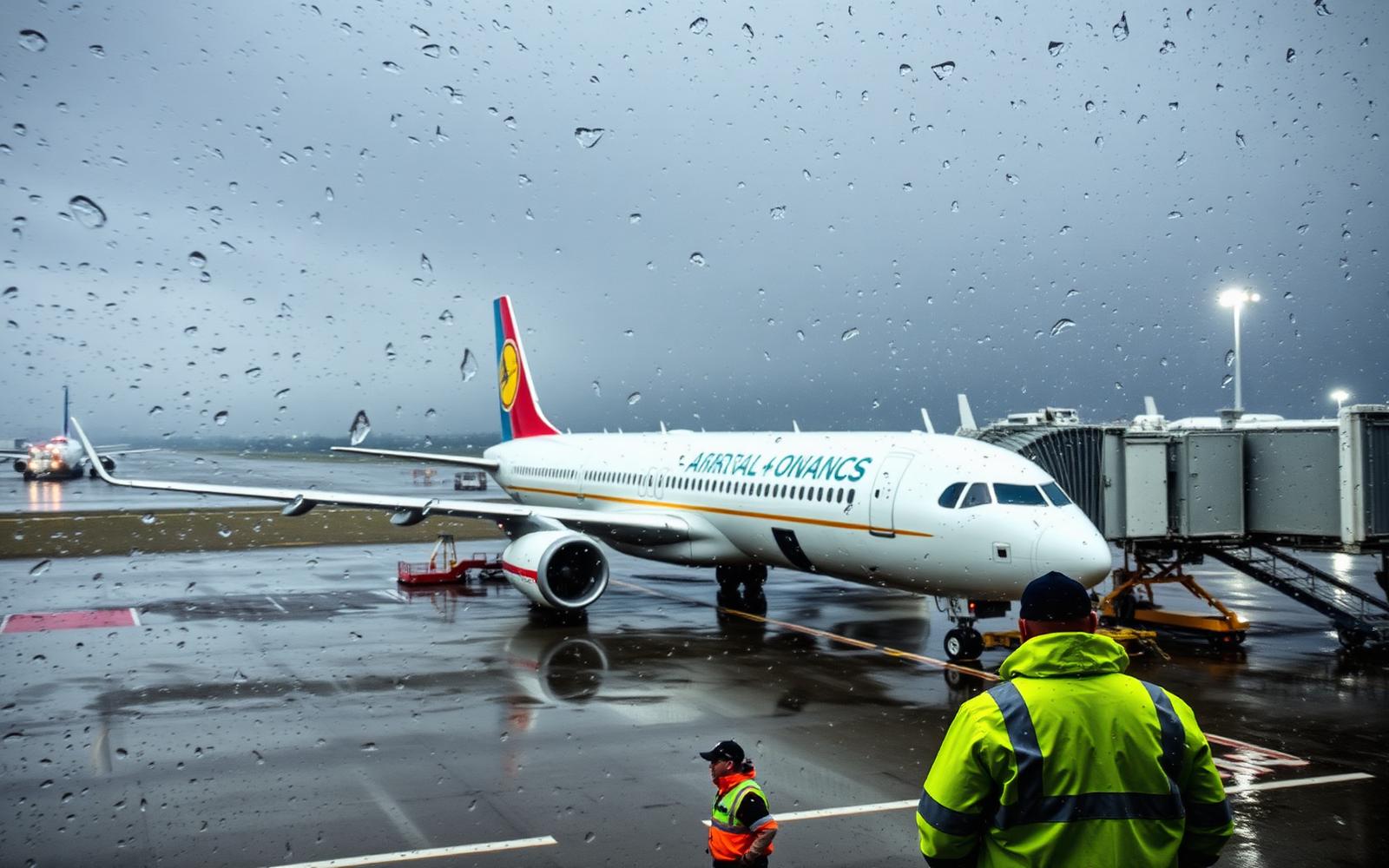
The apron tells you more than the display. If nothing is moving around the aircraft twenty minutes before departure, the posted time is not real, whatever it says.
Reading a delay correctly only pays off if you use the head start. Alternatives are a finite resource, and they are allocated in the order people ask for them.
Being early is worth more than being right
You do not need certainty. If the inbound aircraft has not left its origin an hour before your departure, acting on that assumption costs nothing if you turn out to be wrong, and saves your evening if you are right.
Do not accept a voluntary cancellation too quickly
If you cancel your own booking during a delay, you may forfeit rights you would have had if the airline cancelled it. Wait for the airline to declare the cancellation, then ask for rebooking or a refund under the applicable regime.
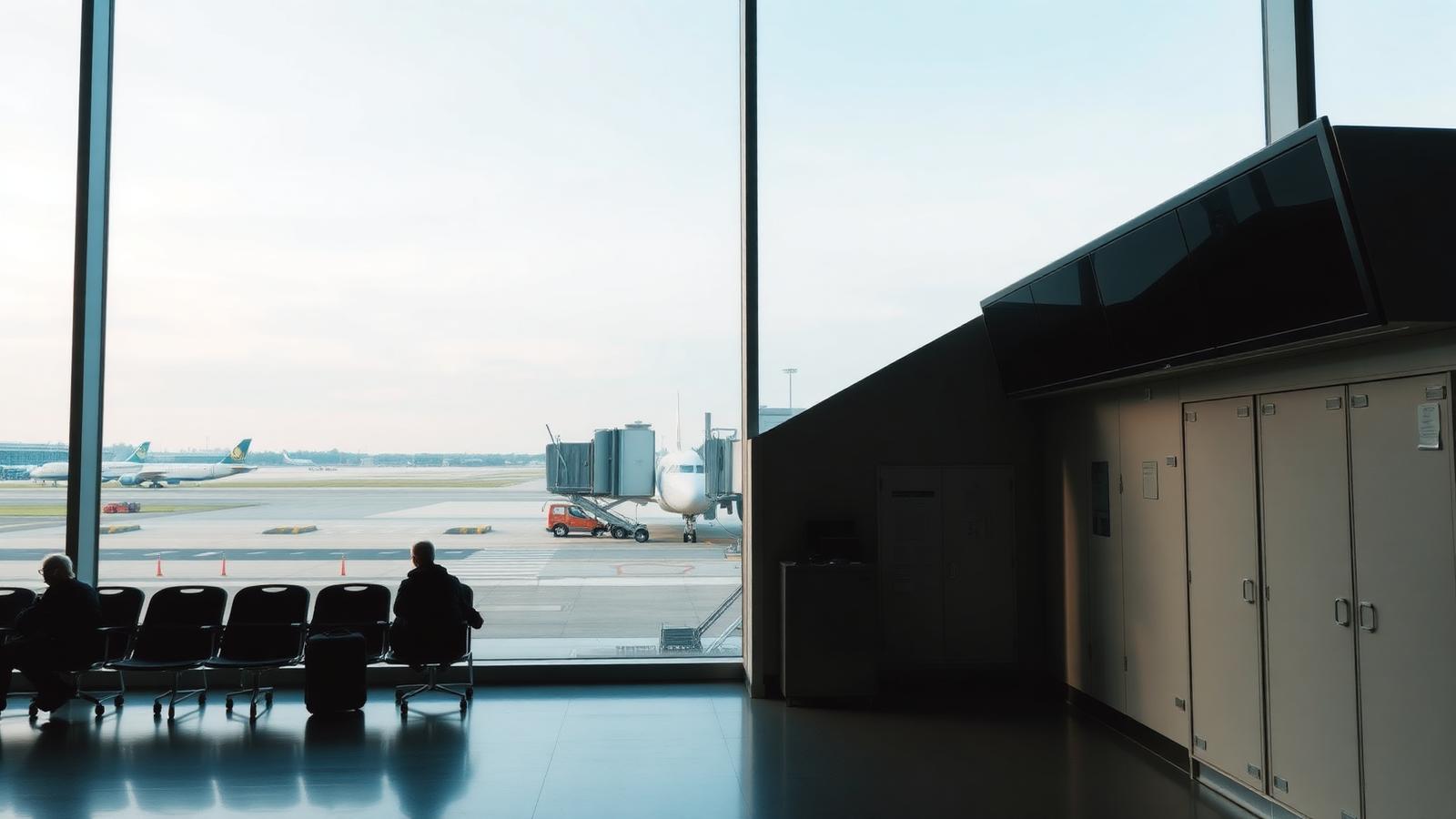
The departure board is a rounded summary that lags reality. The inbound aircraft position, plus a realistic turnaround of 30 to 45 minutes for a narrowbody, is a far better estimate of when you will actually leave.
An aircraft parked at the gate with a repeatedly moving departure time usually indicates a crew or technical issue, and those resolve into cancellations more often than a straightforward late inbound.
Check whether the delay is yours alone or systemic by scanning the full departure board, the destination arrivals board and the weather at your airline's hub. Systemic problems need earlier action.
Use the head start to identify two specific alternatives and to queue while the announcement is still pending. Seats on the recovery flight go to whoever asks first, not to whoever waited most patiently.
This guide was written and checked against the following categories of primary source.
Air passenger rights regulators
Delay, cancellation and denied-boarding thresholds and duty of care obligations.
Official airline disruption policies
Carrier commitments on rebooking, meals and overnight accommodation.
Airport authority guidance
Operational status, disruption handling and passenger facilities during irregular operations.
Related
Guides that answer the questions readers usually have immediately after this one.
The label on the board changes your options, your entitlements and your next move.
Read Guide
Three actions in the air and on the ground that keep your itinerary alive.
Read Guide
What to secure first when a flight is cancelled late in the evening.
Read GuideNext steps
Airport Guides
Refund Help
Travel Change Desk
Updated 20 July 2026
Updated 14 July 2026
Updated 2 July 2026
Updated 25 June 2026
Newsletter
A short email when a rule changes, a new guide lands, or a document requirement shifts. No promotions, no fares, no noise.
Open the Helpdesk. Eight desks, one structure, and an answer to the question you actually have.