How Much Connection Time Is Genuinely Safe?
Minimum connection times are a legal floor, not a recommendation. Here is how to build a realistic buffer.
Read GuideTrains, buses and long walks, and how much time each one really takes.
Rules change without notice. Confirm anything time-critical with the airline, airport or border authority handling your journey before you travel. Read our fact checking policy.
Budget 30 to 60 minutes for a terminal change, more if the transfer requires leaving security.
Confirm whether the transfer is airside or landside.
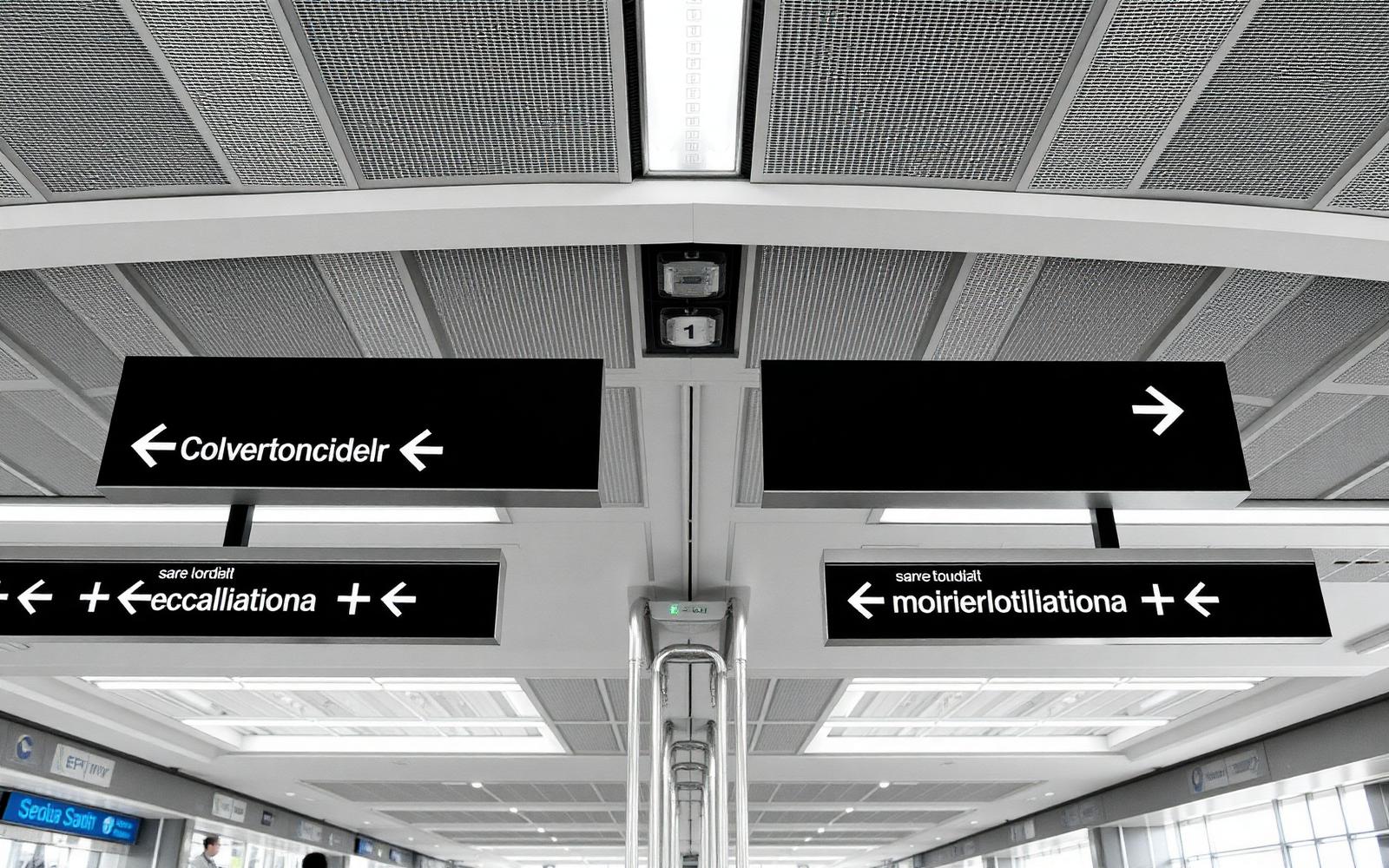
Follow transfer signage rather than arrivals signage.
Ask staff for the fastest route the moment you land.
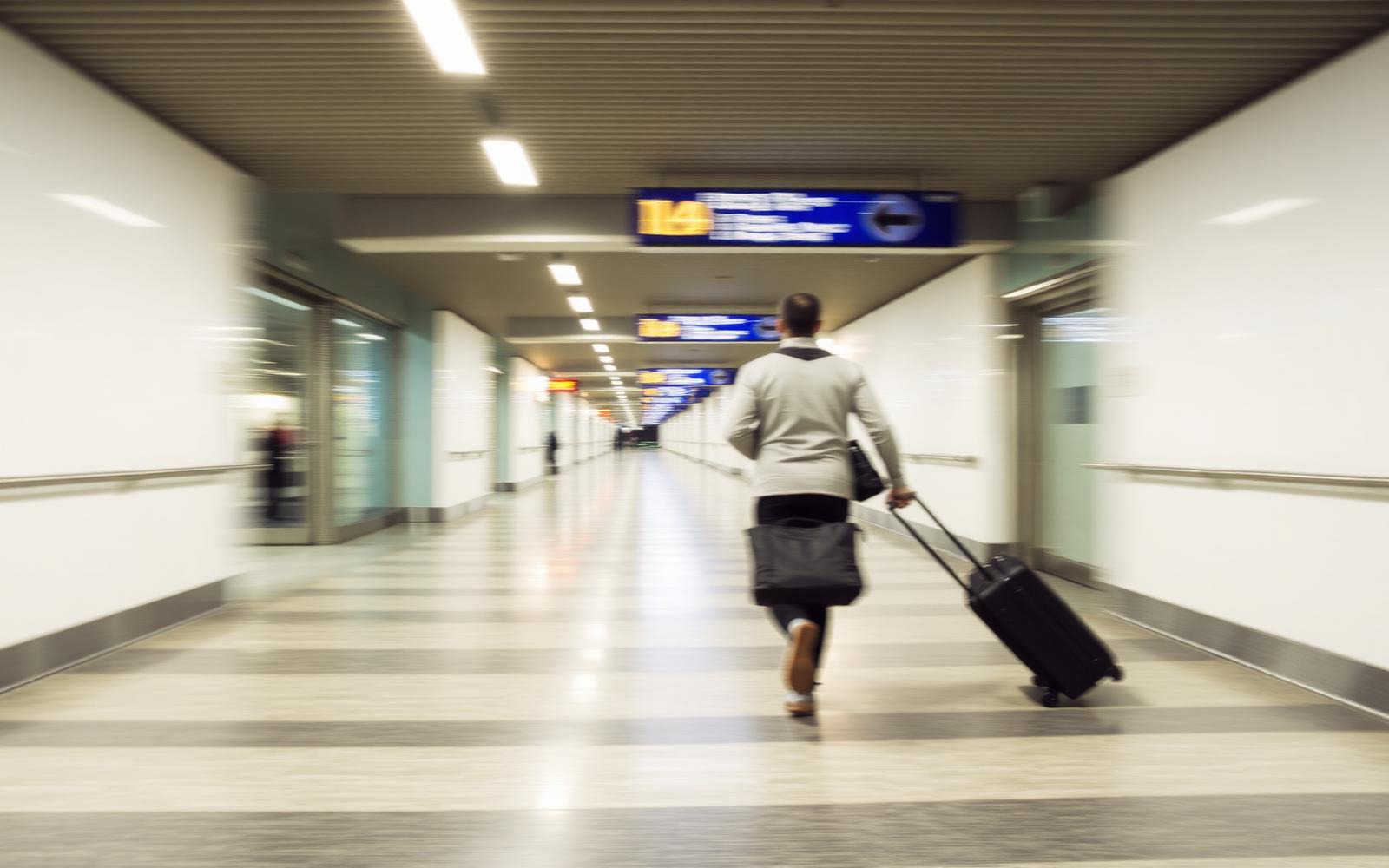
A terminal transfer sounds simple until you are actually standing under a departure board at Istanbul Airport wondering whether the gate number in front of you is even in the same building as the one you landed at.
Large hub airports rarely put every airline in one structure. Heathrow splits its carriers across five terminals. Charles de Gaulle spreads across 2A through 2G plus Terminal 1 and Terminal 3. Changi runs four terminals connected by a mix of walkways and a dedicated skytrain.
The result is that a connection that looks generous on paper, say ninety minutes, can shrink fast once you factor in a bus ride, a second security screening, or a ten minute walk that turns into twenty because the moving walkway is out of service.
This guide breaks down how terminal transfers actually work, what changes when the transfer is airside versus landside, and how to move through one without losing your connection.
The single most important thing to figure out the moment you land is whether you can walk between terminals without leaving the secure zone, or whether you have to exit through arrivals and go back through security.
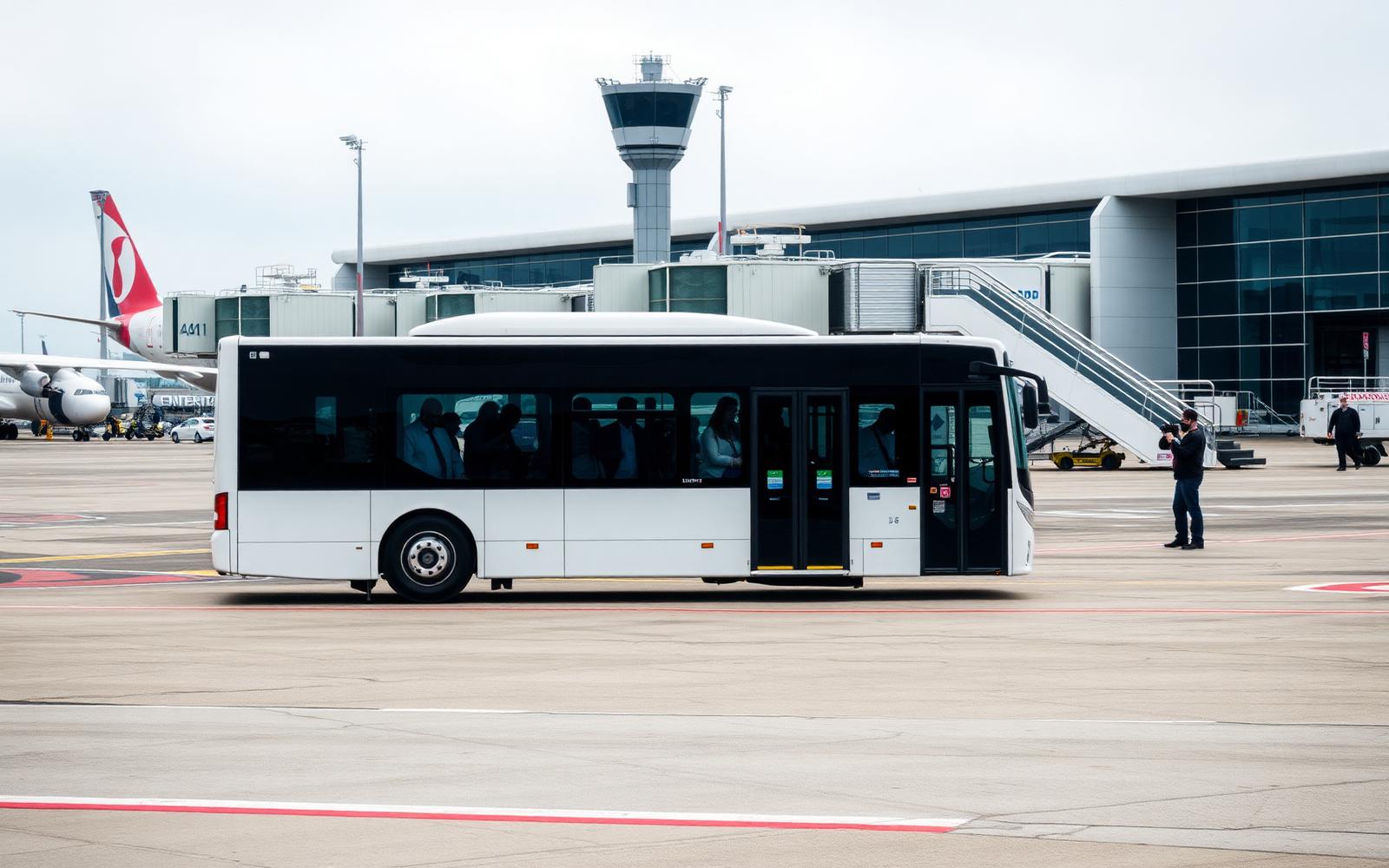
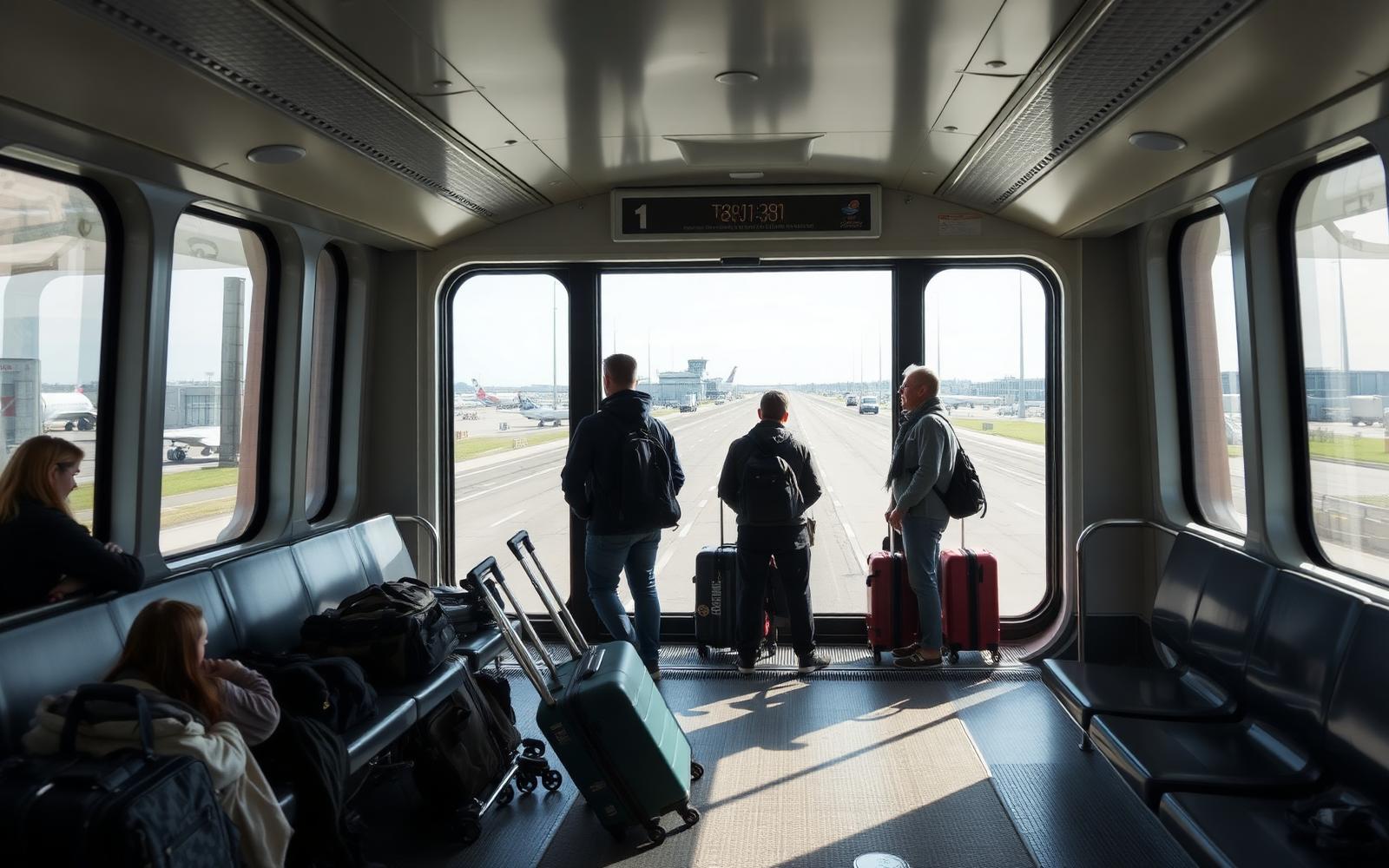
At Frankfurt, Terminal 1 and Terminal 2 are connected airside by a shuttle called the Sky Line, so you generally do not repeat security. At Dubai DXB, moving between Terminal 1 and Terminal 3 can involve a bus and, depending on your ticket, a fresh screening.
Check your boarding pass first
Your second boarding pass usually states the terminal and sometimes the transfer route. If it says nothing, ask the crew before you land or check the airline app the moment you get signal.
Every hub has its own quirks, and the signage rarely spells out the whole journey in one place. A few examples worth knowing before you fly.
| Airport | Transfer method | Typical time |
|---|---|---|
| Heathrow T5 | Train between T5 and T2/T3, then walk | 20 to 35 min |
| Frankfurt | Sky Line shuttle, airside | 10 to 20 min |
| Istanbul | Long airside walk or internal shuttle | 15 to 30 min |
| Charles de Gaulle 2E | Shuttle bus between satellite halls | 15 to 25 min |
| Changi | Skytrain, airside | 10 to 15 min |
| Dubai DXB | Bus, sometimes landside | 25 to 45 min |
Signage lags reality
Some terminals were extended after the original signs went up, so a route that looks like a straight line on a map can involve two escalators and a lift. Ask a staff member rather then trusting your memory of an old layout.
If your connection moves you from an international arrival into a terminal that only serves domestic departures, or across a border control point, expect a second screening. This is common at JFK Terminal 4 when connecting onto a different carrier's terminal, and at many Latin American hubs where LATAM's international and domestic operations sit in separate buildings.
Do not assume duty-free liquids survive a second screening
Liquids bought after your first security check are usually fine if sealed and receipted, but a second unrelated screening at a different terminal can sometimes flag them again. Keep the receipt visible in your bag.
A Delta to Emirates connection
A traveler connecting from a Delta domestic flight into an Emirates departure at JFK Terminal 4 will clear security once on arrival at security screening for the terminal, since both airlines share the building, but should still budget walking time between concourses.
Airport maps understate distance because they flatten a three dimensional building into a flat diagram. A gate that looks close on the map might sit two floors below the one you landed on.
If you can see your connection is tight the moment you walk off the aircraft, tell a member of staff at the gate immediately. Many airlines, including Lufthansa and ANA, have staff positioned at busy hub gates specifically to redirect tight connections through a faster route or a priority lane.
If the flights are on one ticket, the airline has an obligation to help you get to the next flight or rebook you, since it sold you a connecting itinerary. If the flights are on separate tickets, this protection does not exist and a missed transfer is your own risk to manage.
Ask about a transfer desk
Most large hubs, including Schiphol and Istanbul, run a dedicated transfer desk that can rebook you or issue a new boarding pass without sending you back to the main check-in hall.
Some terminal pairings are notorious enough that frequent flyers plan around them on purpose.
If you need assistance, tell the airline at booking and again at the gate before landing. Assistance teams at hubs like Frankfurt and Schiphol coordinate transfer routes that can bypass some of the longer walks entirely.
Keep your documents, phone and any connecting boarding pass in one accessible pocket. Fumbling through a bag while power walking through Frankfurt's Sky Line platform is how boarding passes get left behind.
Screens can be wrong for a few minutes
Gate information sometimes updates a minute or two after an actual change. If a screen and a staff member disagree, trust the staff member.
Terminal transfers fail travelers less because of distance and more because of assumptions, that a map represents real walking time, that a shuttle will be waiting, or that security will not repeat.
Treat every connection through a large hub as a small logistics project the moment you land: confirm airside or landside, ask staff for the fastest route, and build in the extra minutes that maps never show.
Do that consistently and the terminal transfer stops being the part of the trip you worry about, even at buildings as large as Istanbul or as sprawling as Charles de Gaulle.
This guide was written and checked against the following categories of primary source.
Airport authority guidance
Terminal layouts, transfer times, security procedure and check-in cut-offs.
Transportation authorities
Screening rules and permitted items at the security checkpoint.
Official airline check-in policies
Carrier-specific closing times for bag drop and boarding.
Related
Guides that answer the questions readers usually have immediately after this one.
Minimum connection times are a legal floor, not a recommendation. Here is how to build a realistic buffer.
Read Guide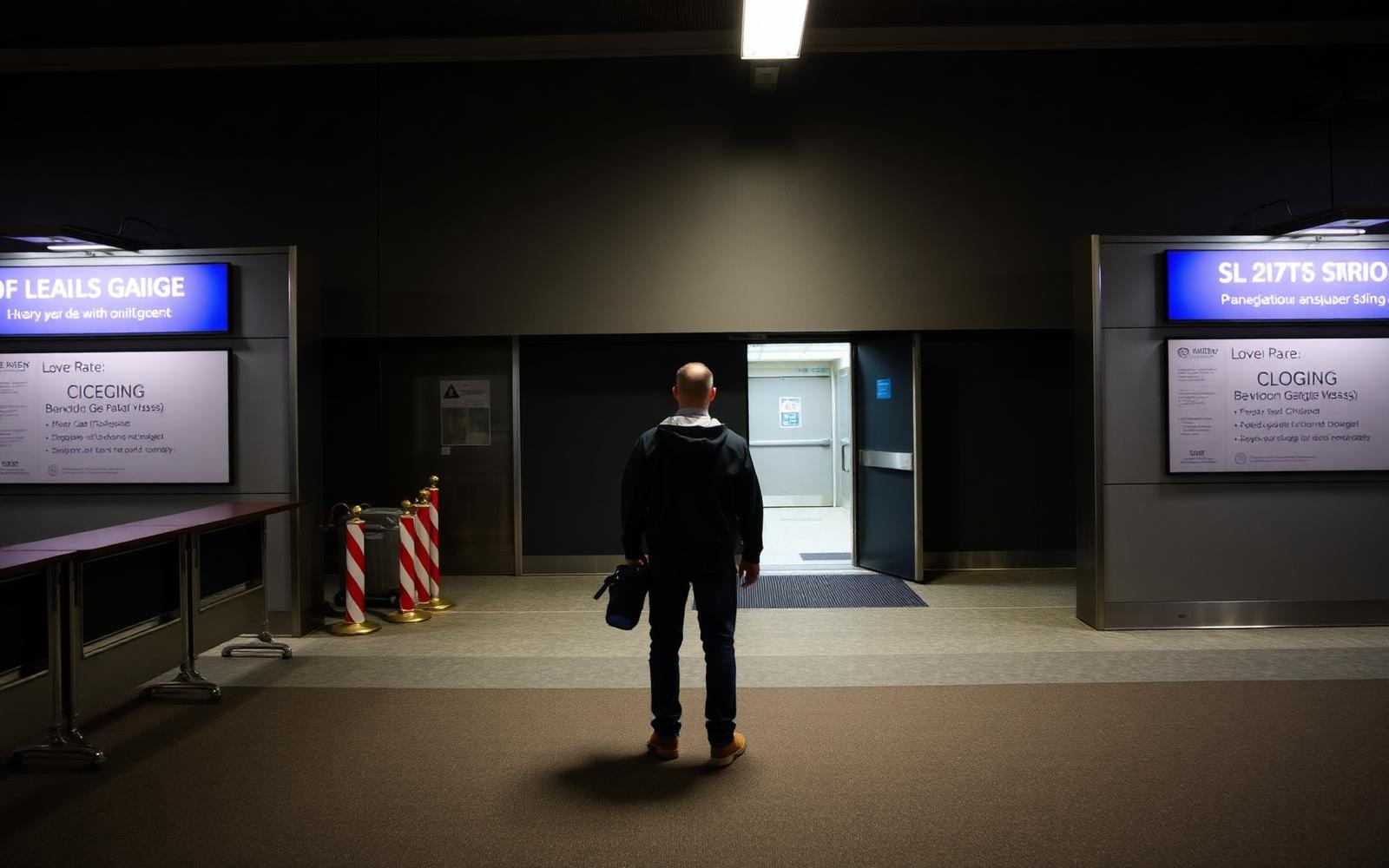
The uncomfortable answer, and the three moves that limit the damage.
Read Guide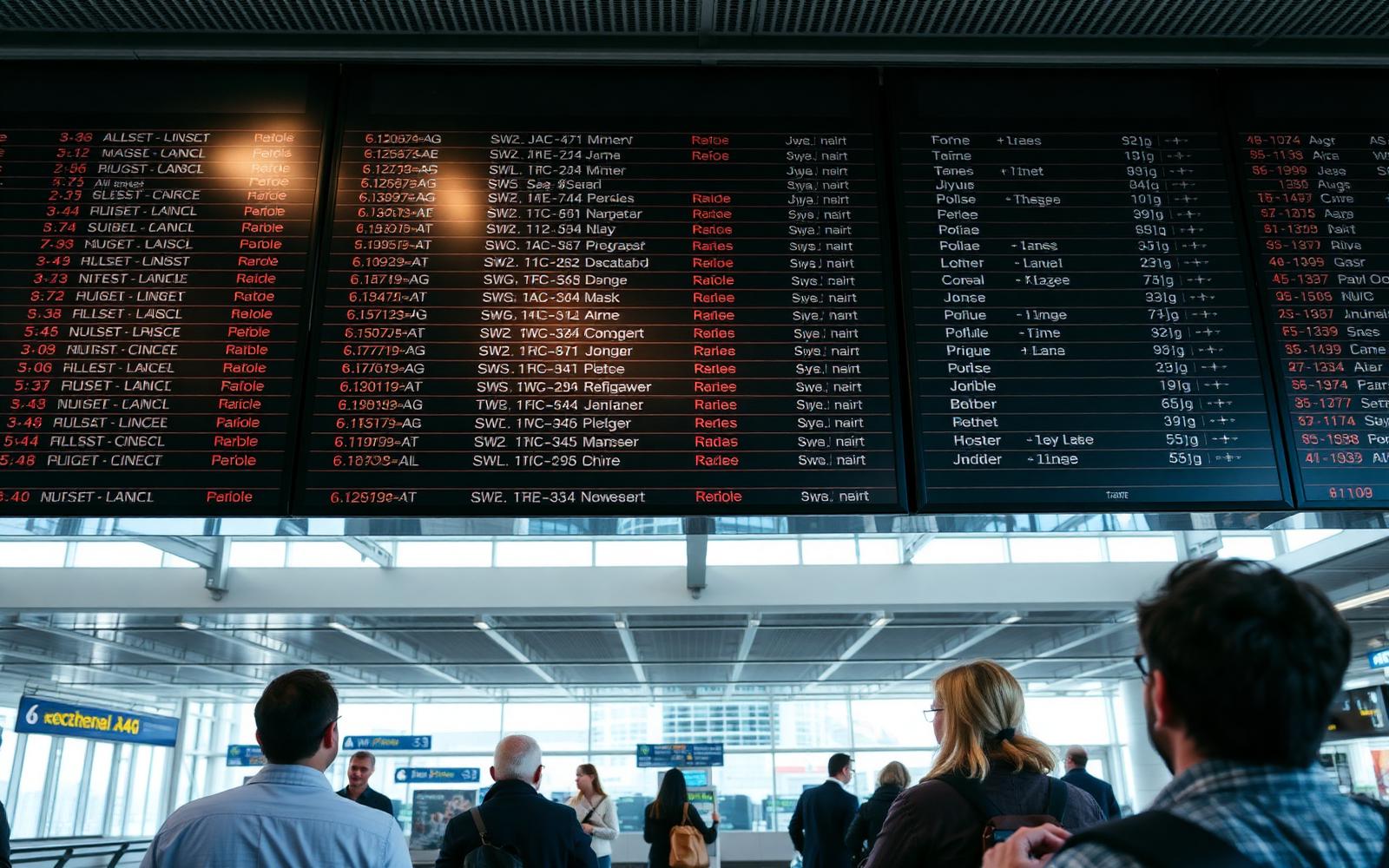
A practical timing model based on flight type, baggage and airport size.
Read GuideNext steps
Refund Help
Travel Change Desk
Travel Documents
Updated 20 July 2026
Updated 14 July 2026
Updated 9 July 2026
Updated 25 June 2026
Newsletter
A short email when a rule changes, a new guide lands, or a document requirement shifts. No promotions, no fares, no noise.
Open the Helpdesk. Eight desks, one structure, and an answer to the question you actually have.