Airline Rules Desk4 min
When Check-In Really Closes for International Flights
Counter, bag drop and gate all close at different moments. Only one of them is negotiable.
Read GuideA practical timing model based on flight type, baggage and airport size.
Rules change without notice. Confirm anything time-critical with the airline, airport or border authority handling your journey before you travel. Read our fact checking policy.
Two hours short-haul, three hours long-haul, plus extra for large hubs, checked bags or peak periods.
Add thirty minutes for any airport you have never used.
Check live security wait times before you leave home.
Arrive earlier on the first departure wave of the morning.
"How early should I get there" sounds like a simple question, and airlines answer it with a flat rule, two hours domestic, three hours international. That rule is a floor, not a real estimate, and it ignores which airport you are actually flying from.
Frankfurt on a Monday morning is not the same problem as a regional airport with two gates. Istanbul during a holiday weekend is not the same as Zurich HB on a quiet Tuesday, even though one of those is a train station and not an airport at all, which is exactly the kind of comparison that makes people underestimate travel time.
This guide builds a timing model around flight type, airport size, baggage, and time of day, so the number you land on is closer to reality than the airline's generic recommendation.
| Flight type | Baseline arrival time | Add for large hub | Add for checked bag |
|---|---|---|---|
| Short-haul domestic | 1.5 to 2 hours | +30 min | +15 min |
| Short-haul international | 2 hours | +30 min | +15 min |
| Long-haul international | 3 hours | +30 to 45 min | +15 to 20 min |
These baselines assume normal conditions, no strike, no major event, no holiday surge. Adjust upward for anything unusual you already know about your travel date.
A single-runway regional airport can process a full flight through security in ten minutes on a slow morning. Istanbul Airport, one of the busiest hubs in the world, can have security lines that take forty minutes even outside peak season.
Add thirty minutes for an unfamiliar airport
Even an efficient airport takes longer the first time you use it, because you don't know shortcuts, where security actually starts, or which check-in row serves your airline.
Many travelers plan around the departure time and forget that check-in and bag drop close well before boarding starts, often forty five minutes before departure for international flights, sometimes sixty for larger carriers like Lufthansa on long-haul routes.
Bag drop deadlines are usually firm
Unlike boarding gates, which occasionally hold for a late connecting passenger, bag drop counters close on schedule and rarely make exceptions.
Several major airports publish live or historical security wait times through their own apps or third party trackers. TSA in the United States, for instance, publishes typical wait ranges by checkpoint and time of day.
Public holidays, school break starts, and major sporting or religious events push airport volume well above the daily average. A Friday evening departure from Schiphol in late June looks nothing like a Tuesday morning departure in March.
A holiday weekend case
A traveler flying Ryanair out of a secondary European airport on the Thursday before a long holiday weekend found the queue for bag drop alone took fifty minutes, roughly triple the airport's normal weekday pace.
Ask locally if you are unsure
Airport staff, hotel concierges, and even rideshare drivers usually know if a specific date is expected to be unusually busy at the local airport.
If your itinerary includes a connection, the arrival-time question shifts to the connecting airport rather than your first departure. A tight connection at a large hub with a terminal change, common at JFK T4 or Charles de Gaulle, deserves its own buffer separate from your original arrival calculation.
Treat every airport you have not personally used before as needing extra margin, since online reviews of processing speed go stale fast as terminals get renovated or security procedures change.
Take a long-haul flight from Frankfurt to Narita on ANA, departing at 11am on a normal Wednesday, with one checked bag. Baseline is three hours. Frankfurt is a large hub, so add thirty minutes. A checked bag adds another fifteen minutes for bag drop queueing.
That puts arrival at roughly three hours and forty five minutes before departure, closer to 7:15am for an 11am flight. It feels early compared to the airline's blanket three-hour advice, but it matches the actual conditions of that specific route and terminal.
The right arrival time is not a single number you memorize once, it is a small calculation you redo for every trip based on the airport, the season, and what you are carrying. The airline's generic guidance is a safe minimum, not a personalized answer.
Spend two minutes before each trip checking the specific airport's current security wait patterns and your airline's actual check-in deadline, both of which are usually posted on the airline's own site.
When in doubt, arrive on the earlier side. An extra thirty minutes in a terminal cafe costs you comfort. Missing a flight costs you the whole day and often more money than the buffer would ever have cost.
This guide was written and checked against the following categories of primary source.
Airport authority guidance
Terminal layouts, transfer times, security procedure and check-in cut-offs.
Transportation authorities
Screening rules and permitted items at the security checkpoint.
Official airline check-in policies
Carrier-specific closing times for bag drop and boarding.
Related
Guides that answer the questions readers usually have immediately after this one.
Counter, bag drop and gate all close at different moments. Only one of them is negotiable.
Read Guide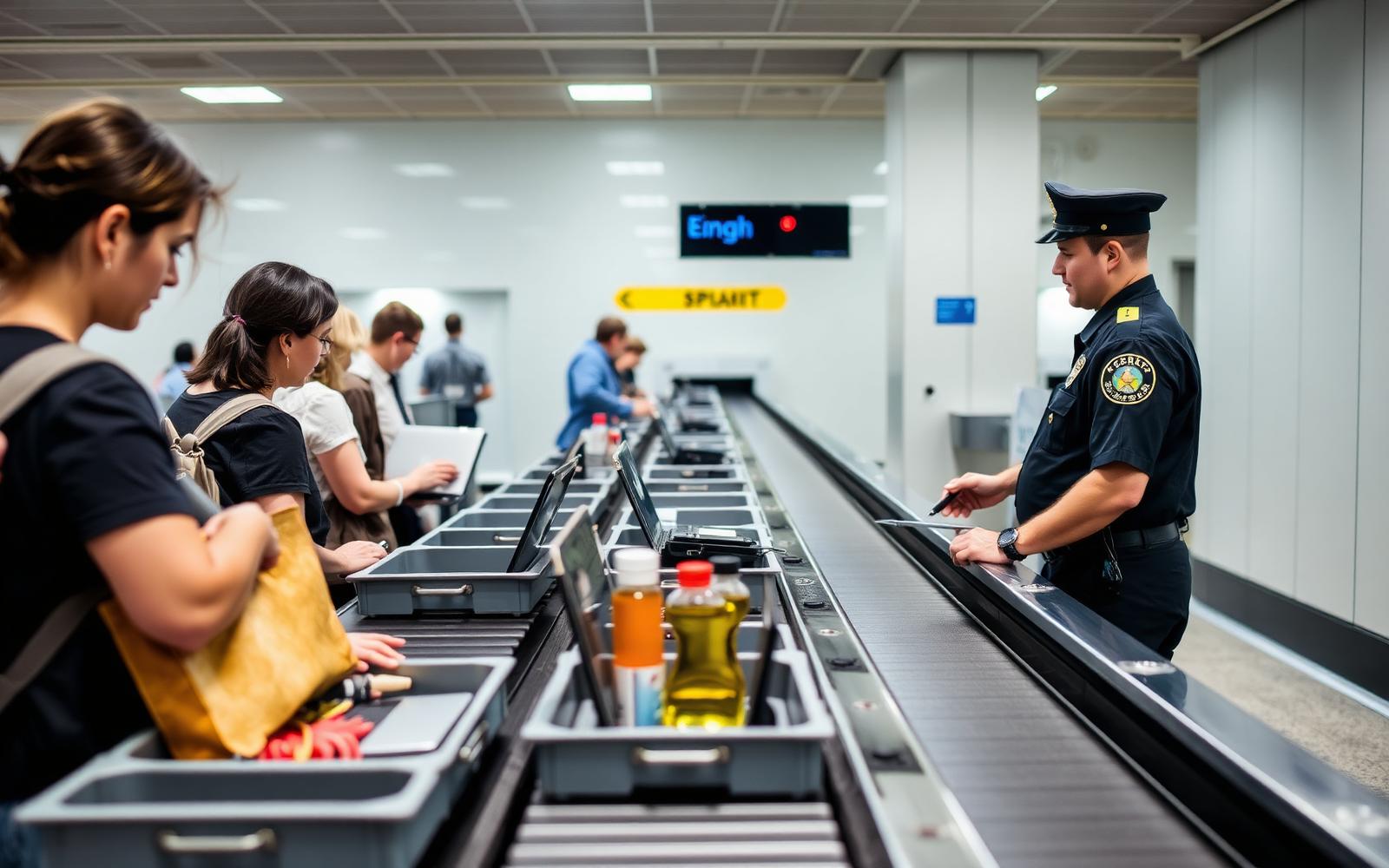
Small preparation habits that consistently save ten to fifteen minutes.
Read Guide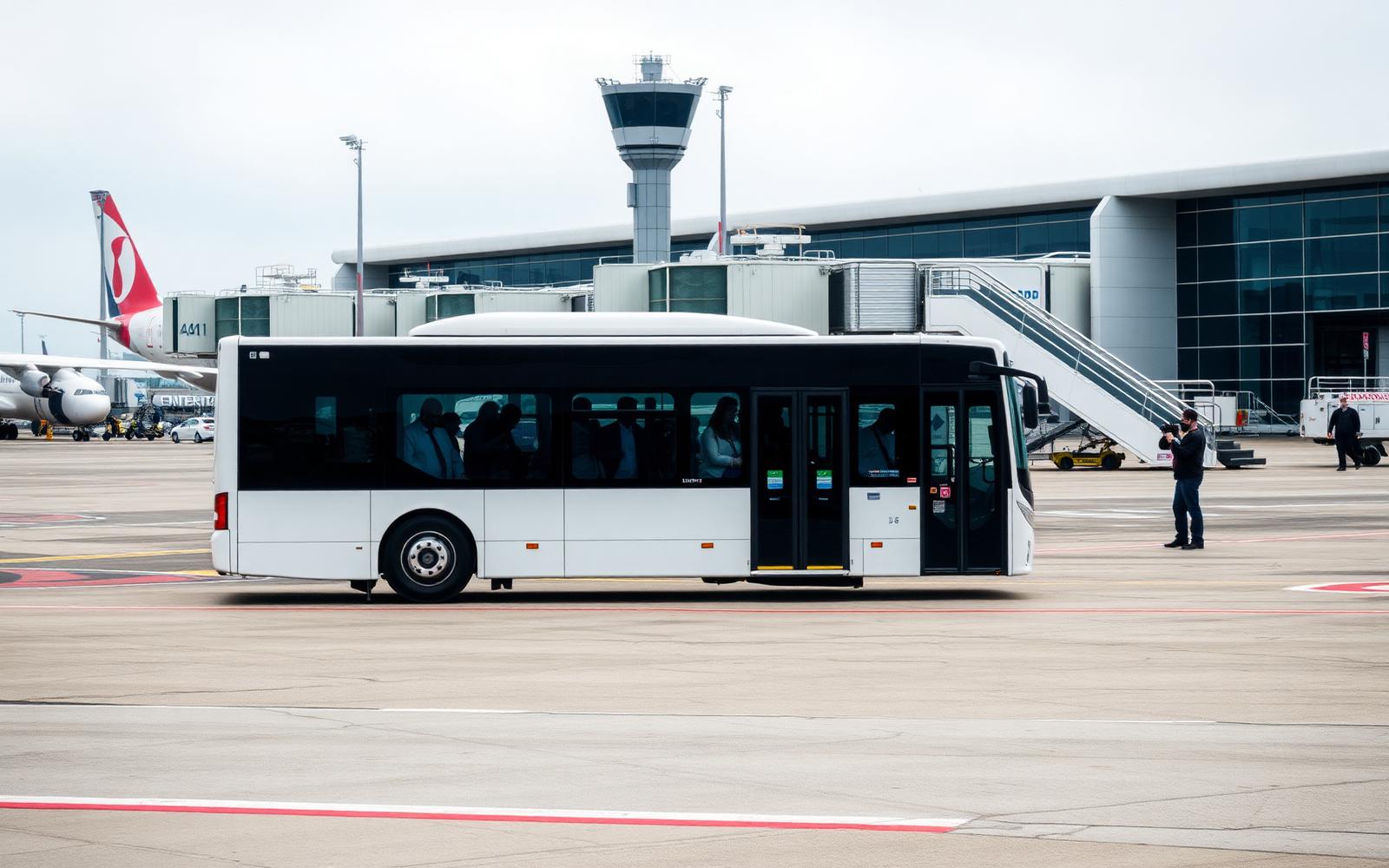
Trains, buses and long walks, and how much time each one really takes.
Read GuideNext steps
Travel Change Desk
Airline Rules Desk
Travel Documents
Updated 14 July 2026
Updated 9 July 2026
Updated 2 July 2026
Updated 25 June 2026
Newsletter
A short email when a rule changes, a new guide lands, or a document requirement shifts. No promotions, no fares, no noise.
Open the Helpdesk. Eight desks, one structure, and an answer to the question you actually have.