Travel Planning4 min
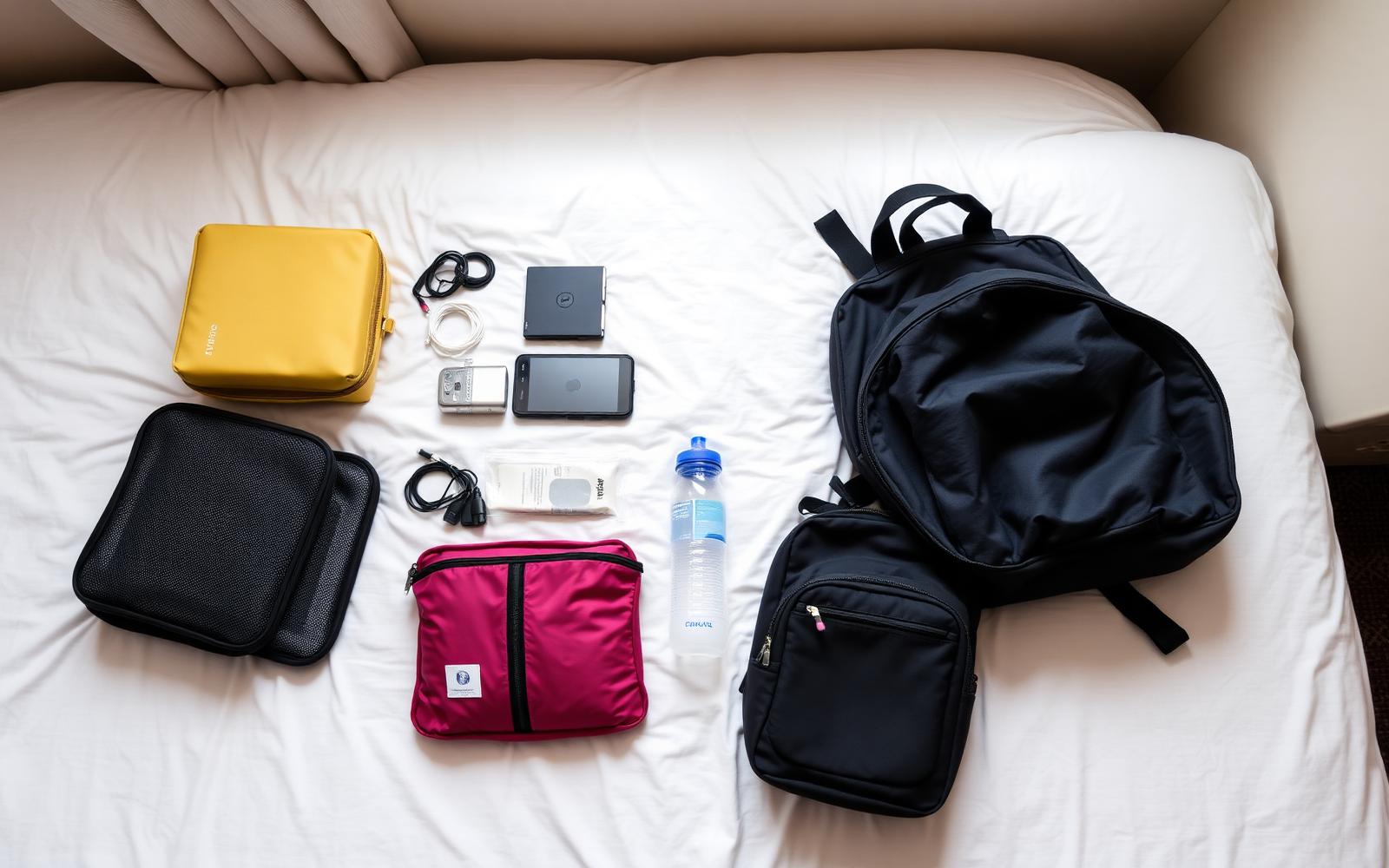
What Should Always Be in Your Carry-On
The short list that turns a lost bag into an inconvenience rather than a crisis.
Read GuideThe sizer decides, not the label on your suitcase. Here is how to pass it every time.
Rules change without notice. Confirm anything time-critical with the airline, airport or border authority handling your journey before you travel. Read our fact checking policy.
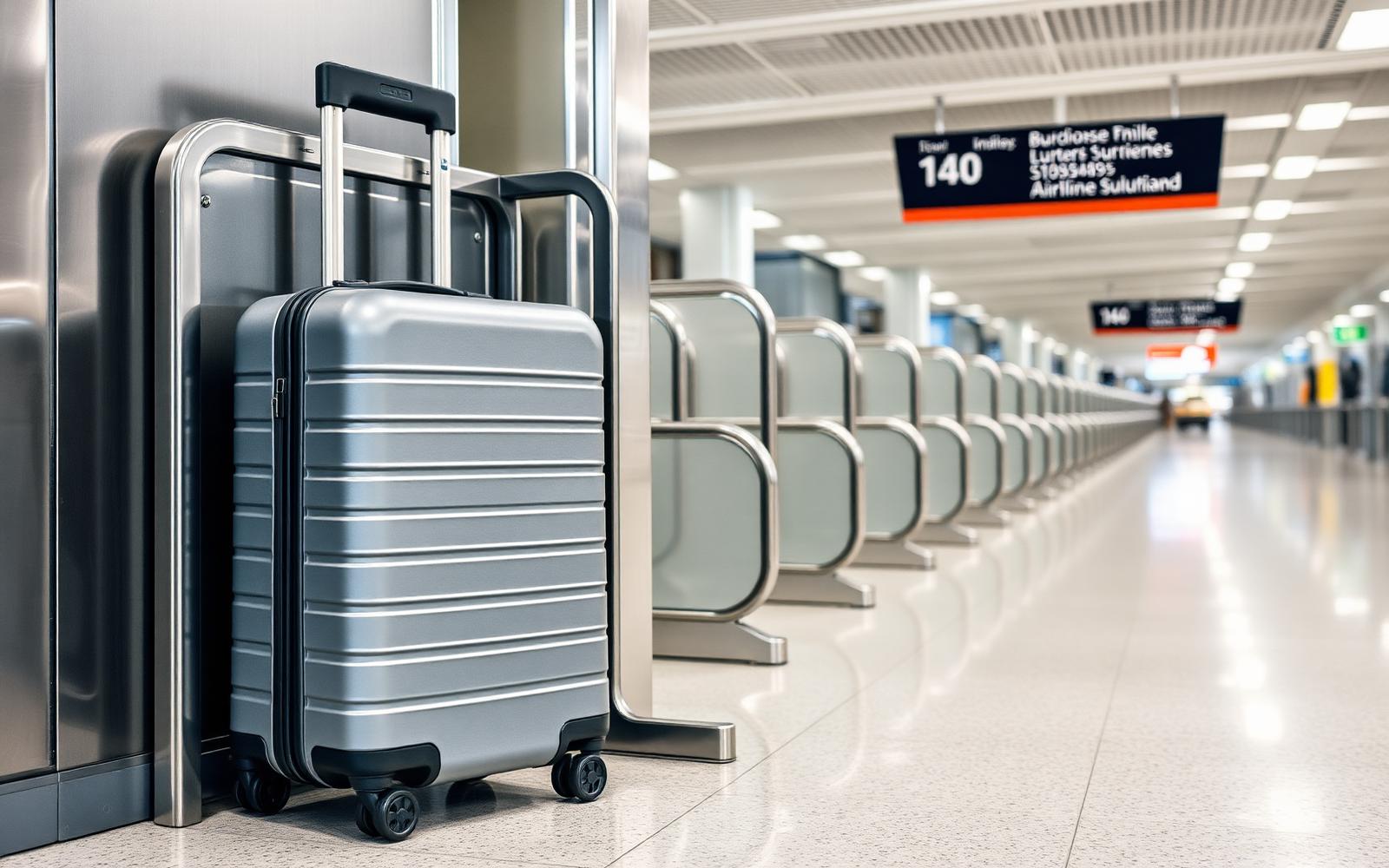
Wheels and handles count. If the bag does not drop into the sizer, it is checked at the gate.
Measure your packed bag at home, not empty.
Move dense items into a personal item that fits under the seat.
Board earlier when overhead space is the constraint.
Carry-on rules look simple until you compare two airlines side by side. One allows 55 by 40 by 20 centimetres and 8 kilos. Another allows 55 by 40 by 23 but weighs nothing. A third only lets you bring a bag that fits under the seat unless you paid extra.
The gap between those numbers is where gate fees happen, and gate fees are expensive: typically 45 to 75 euros for a bag that would have cost 15 euros at booking.
This guide covers what the dimensions actually mean, how sizers are enforced, and how to pack so that one bag works across an itinerary with more than one airline.
Most confusion comes from treating carry-on as a single concept. Airlines now split it into distinct entitlements, and only one of them is guaranteed on a basic fare.
On Ryanair, Wizz Air and most basic economy fares, the free allowance is the personal item only. The overhead bag is a paid extra, and that is the single most common cause of a gate charge.
Wheels and handles count
Published dimensions include wheels, handles and side pockets. A bag advertised as cabin sized is often measured at the body only, which is why it fails the sizer.
| Airline | Free personal item | Cabin bag | Weight limit |
|---|---|---|---|
| Ryanair | 40 x 20 x 25 cm | Paid priority only, 55 x 40 x 20 | 10 kg with priority |
| easyJet | 45 x 36 x 20 cm | Paid, 56 x 45 x 25 | 15 kg for the large bag |
| Wizz Air | 40 x 30 x 20 cm | Paid, 55 x 40 x 23 | 10 kg |
| Lufthansa | 40 x 30 x 10 cm | Included, 55 x 40 x 23 | 8 kg |
| British Airways | 40 x 30 x 15 cm | Included, 56 x 45 x 25 | 23 kg, must be liftable |
| Emirates | Handbag | Included, 55 x 38 x 20 | 7 kg economy |
| Delta | Personal item | Included, 56 x 35 x 23 | No published limit on most US routes |
Numbers change
Allowances are revised more often than most travelers expect. Check the airline's own baggage page within a week of departure rather than relying on a bag bought two years ago.
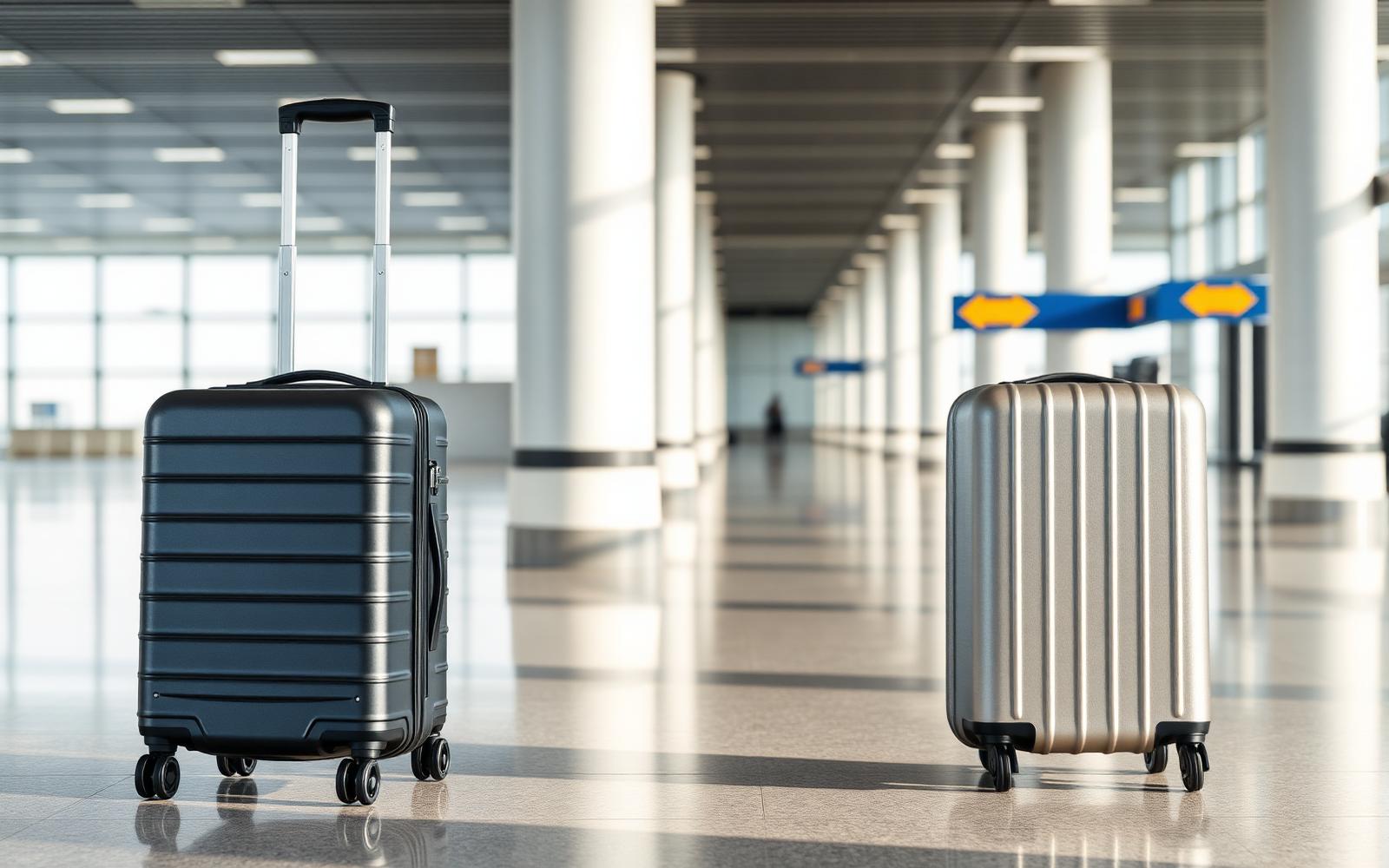
Enforcement is inconsistent, and that inconsistency is what catches people out. The same bag can pass unchecked in Lisbon and be pulled aside in Stansted on the return leg.
Gate agents check more aggressively when the flight is full, when boarding is running late, and on routes with a history of overhead space problems. Early morning departures on busy business routes are checked more often than mid-afternoon leisure flights.
The same bag, two outcomes
A traveler flew Milan Bergamo to Dublin with a soft bag that bulged slightly past the sizer. Outbound, nobody looked. On the return, the flight was full and the gate agent was placing every roller bag into the frame. The bag did not fit and cost 60 euros at the gate.
Soft bags win
A soft-sided bag can be compressed into a sizer. A hard shell cannot. If you fly low cost carriers often, that alone is worth more than any packing cube.
European carriers publish cabin weight limits, commonly 8 or 10 kilos. Most US carriers do not, requiring only that you can lift the bag into the locker unaided.
Codeshares follow the operating carrier
A ticket sold by Lufthansa but flown by Air Dolomiti follows Air Dolomiti's cabin rules. Always check who actually operates the flight.
On a multi-airline trip, the practical rule is to pack for the strictest carrier on the itinerary, not the first one.
Work through each segment, note the smallest dimension and lowest weight, and treat that as your limit. It is far less painful than repacking on a terminal floor in Stansted.
Add the bag online while boarding
On several low cost carriers you can still buy a cabin bag in the app while standing in the queue, at a lower price than the gate charge. It is worth the thirty seconds.
Carry-on is three separate allowances: the free under-seat item, the overhead cabin bag, and the paid priority version of the same thing.
Dimensions include wheels and handles, and the cabin approved label on a bag means nothing at a gate sizer.
Enforcement tightens on full flights and late boarding, so plan for the strictest scenario rather than the typical one.
On multi-airline trips, pack to the smallest allowance on the itinerary and pre-pay for anything not included. A gate fee is roughly three times the online price.
This guide was written and checked against the following categories of primary source.
Official airline baggage policies
Published cabin and checked baggage allowances, dimensions and fees.
Aviation safety regulators
Restricted and dangerous goods rules, including lithium battery carriage.
International aviation organisations
Industry guidance on baggage handling and dangerous goods classification.
Related
Guides that answer the questions readers usually have immediately after this one.
The short list that turns a lost bag into an inconvenience rather than a crisis.
Read Guide
Counter, bag drop and gate all close at different moments. Only one of them is negotiable.
Read Guide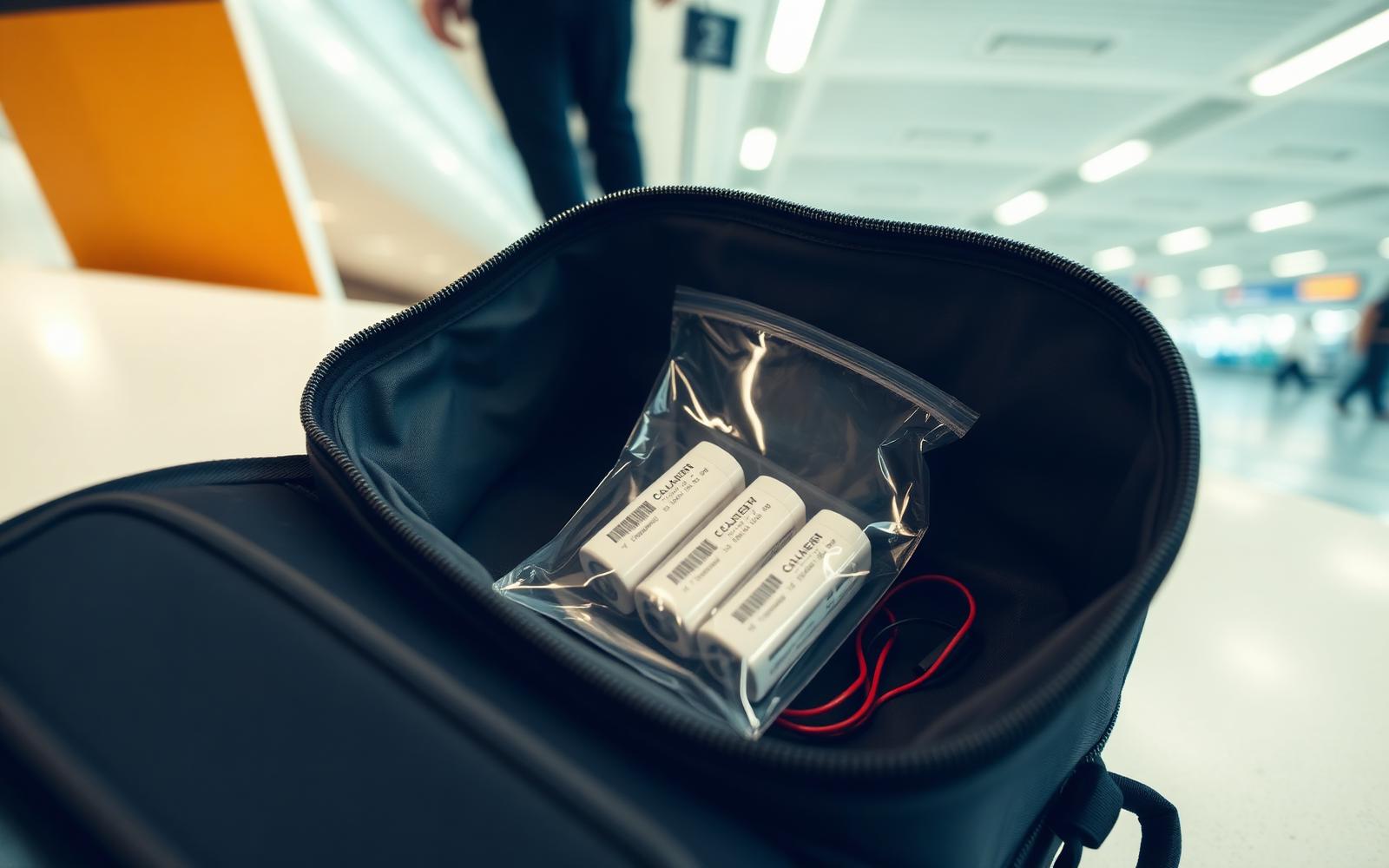
Where they can go, what capacity is allowed, and why the rule exists.
Read GuideNext steps
Refund Help
Route Alternatives Desk
Travel Documents
Updated 20 July 2026
Updated 14 July 2026
Updated 9 July 2026
Updated 2 July 2026
Newsletter
A short email when a rule changes, a new guide lands, or a document requirement shifts. No promotions, no fares, no noise.
Open the Helpdesk. Eight desks, one structure, and an answer to the question you actually have.