Airline Rules Desk4 min
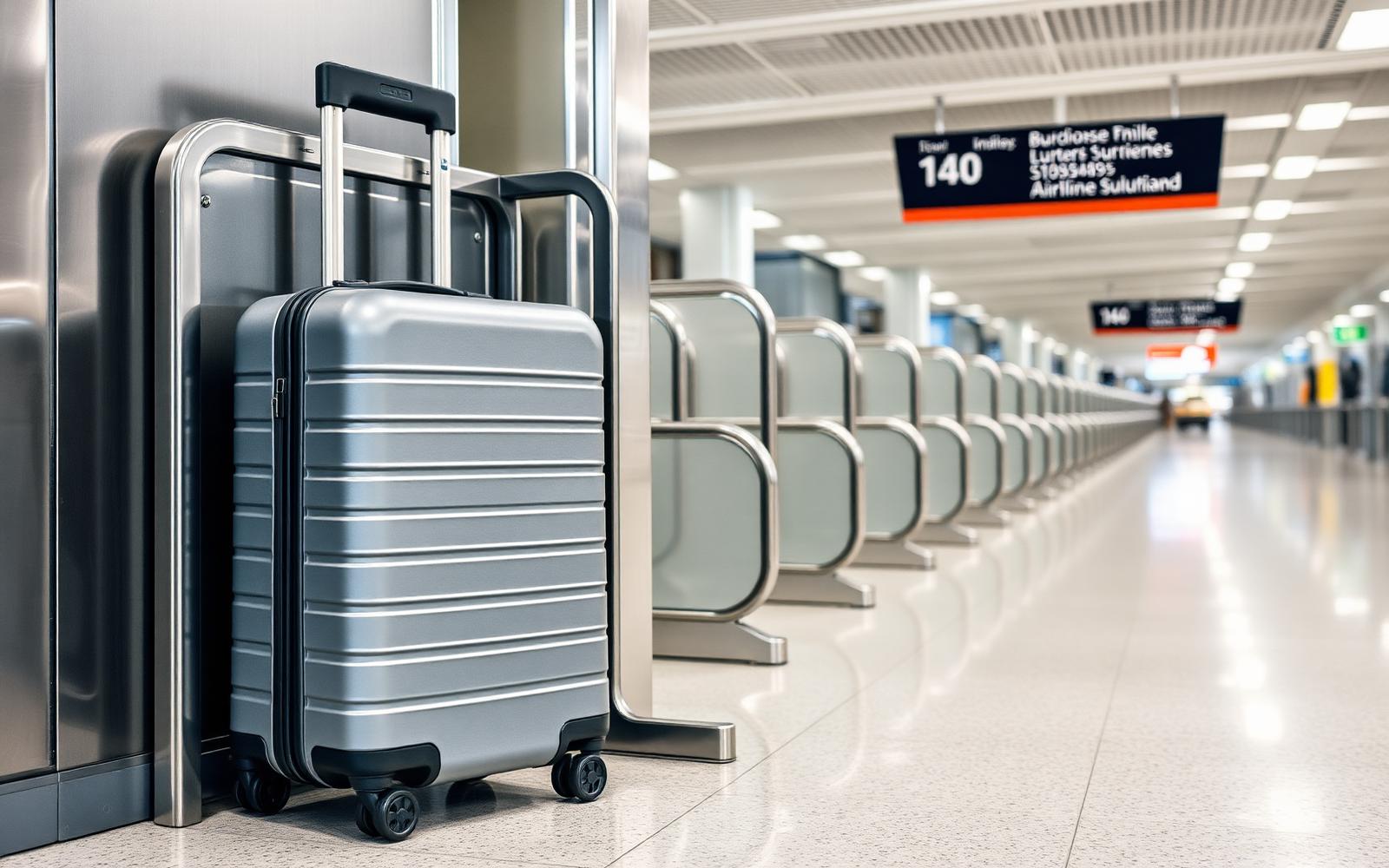
How Carry-On Size Is Measured at the Gate
The sizer decides, not the label on your suitcase. Here is how to pass it every time.
Read GuideThe short list that turns a lost bag into an inconvenience rather than a crisis.
Rules change without notice. Confirm anything time-critical with the airline, airport or border authority handling your journey before you travel. Read our fact checking policy.
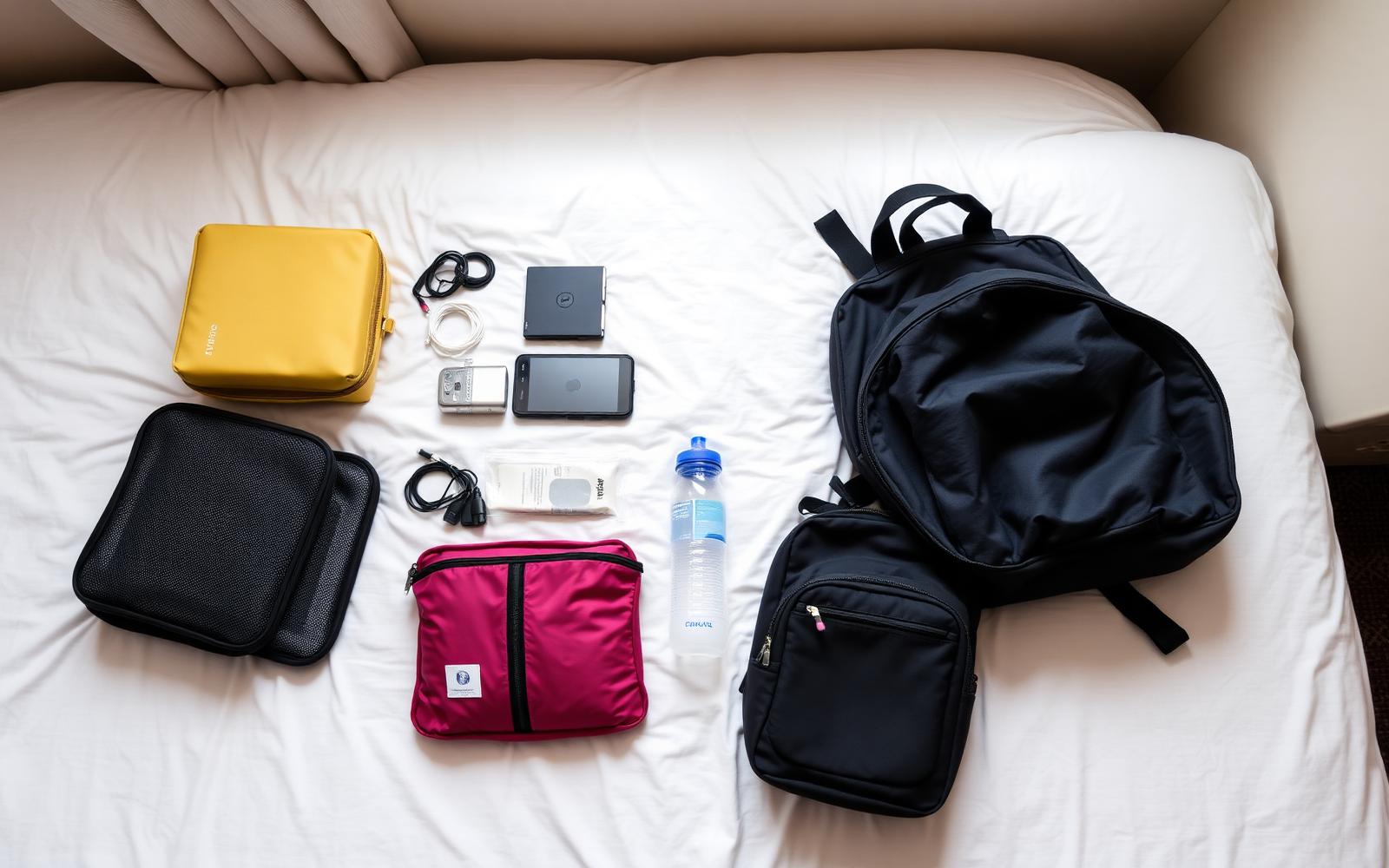
Documents, medication, chargers, one change of clothes, and anything you cannot replace at your destination.
Photograph documents and store them offline.
Split valuables between two bags where possible.
Pack medication in original labelled packaging.
The purpose of a cabin bag is not convenience. It is the set of things that make a delayed bag, an overnight disruption or a missed connection survivable rather than miserable.
Roughly six bags in every thousand are delayed, and on itineraries with a tight connection the rate is considerably higher. Packing on the assumption that your checked bag arrives a day late costs nothing and solves most of the problem.
This guide covers what genuinely belongs in the cabin, what the liquid and battery rules mean in practice, and how to pack it so security does not slow you down.
Everything in this list shares one property: replacing it at the destination is either impossible, expensive, or requires a pharmacy that is closed at midnight.
Medication never goes in the hold
A delayed bag containing essential medication is a medical problem, not a travel inconvenience. Carry the full course, with the prescription or a doctor's note for anything unusual.
The 100 millilitre rule remains the international standard. Some airports have installed new CT scanners that allow larger volumes, but the rollout is uneven, and rules can differ between terminals at the same airport.
| Airport | Current liquid handling | Practical advice |
|---|---|---|
| London Heathrow | Mixed by terminal | Pack to 100 ml |
| Amsterdam Schiphol | Mostly 100 ml | Pack to 100 ml |
| Shannon | Large volumes permitted | Still pack small for the return |
| Most US airports | 100 ml equivalent, 3.4 oz | Pack to 100 ml |
Pack for the strictest airport on the trip
An airport that lets you through with a 500 millilitre bottle on the outbound will not help you when the return airport confiscates it.
Medically necessary liquids, baby milk and formula are exempt from the volume limit in most jurisdictions, but they must be declared and are usually screened separately.
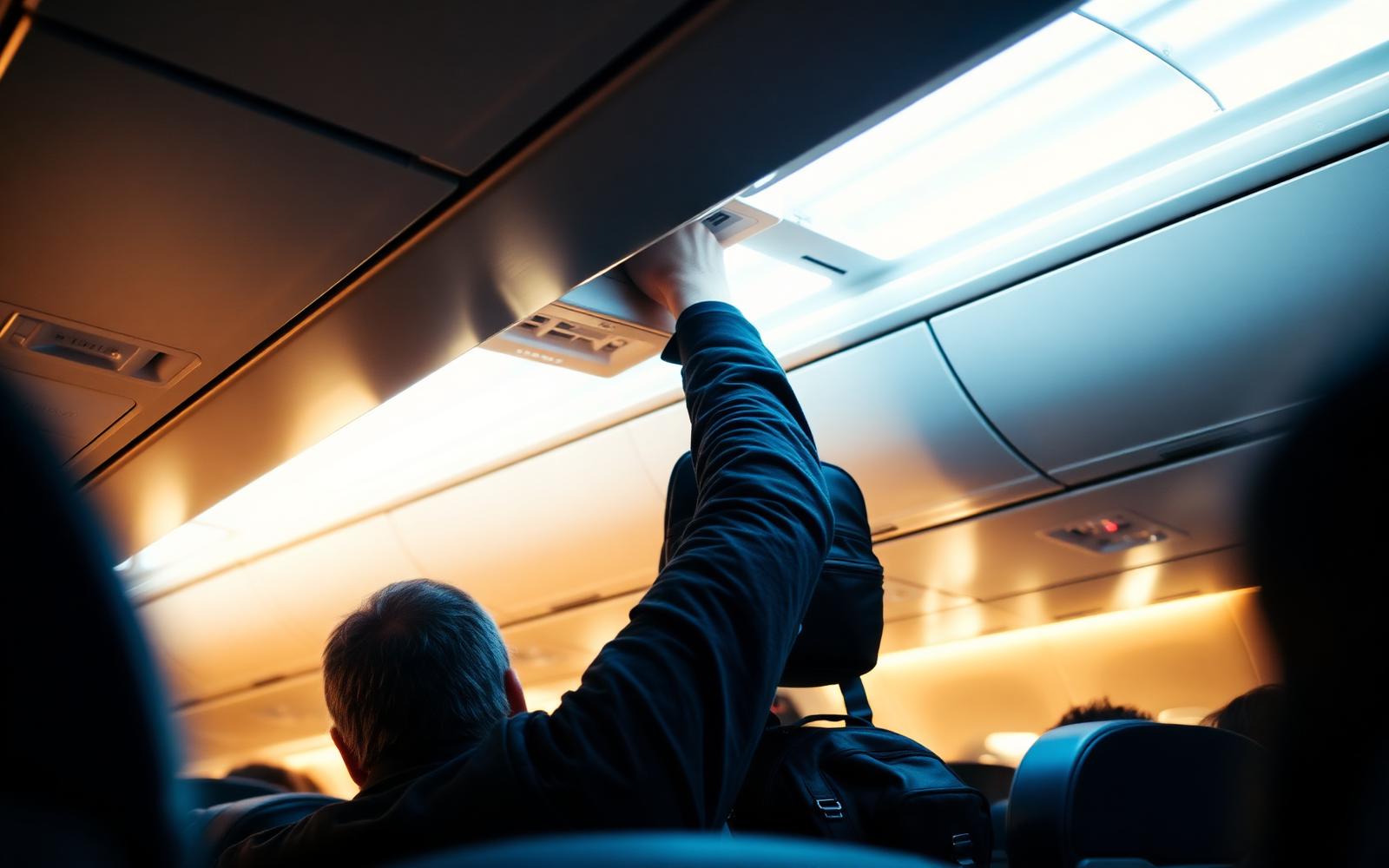
Lithium batteries are the item most likely to cause a problem at the gate, because the rules are strict and inconsistently explained.
Our lithium battery rules guide covers the watt hour calculation and the airline-by-airline differences in more detail.
Charge before you fly
During a long disruption a charged power bank is worth more than almost anything else in the bag. Airport sockets are all occupied within twenty minutes of a cancellation.
If you are ever going to spend an unplanned night in a terminal or an airport hotel, these small items are what make the difference.
An unplanned night in Istanbul
A passenger caught in a cancellation at Istanbul Airport waited five hours for a hotel voucher. The travelers around him with an eye mask, earplugs and a charged power bank slept. Everyone else did not, and the queue in the morning treated both groups identically.
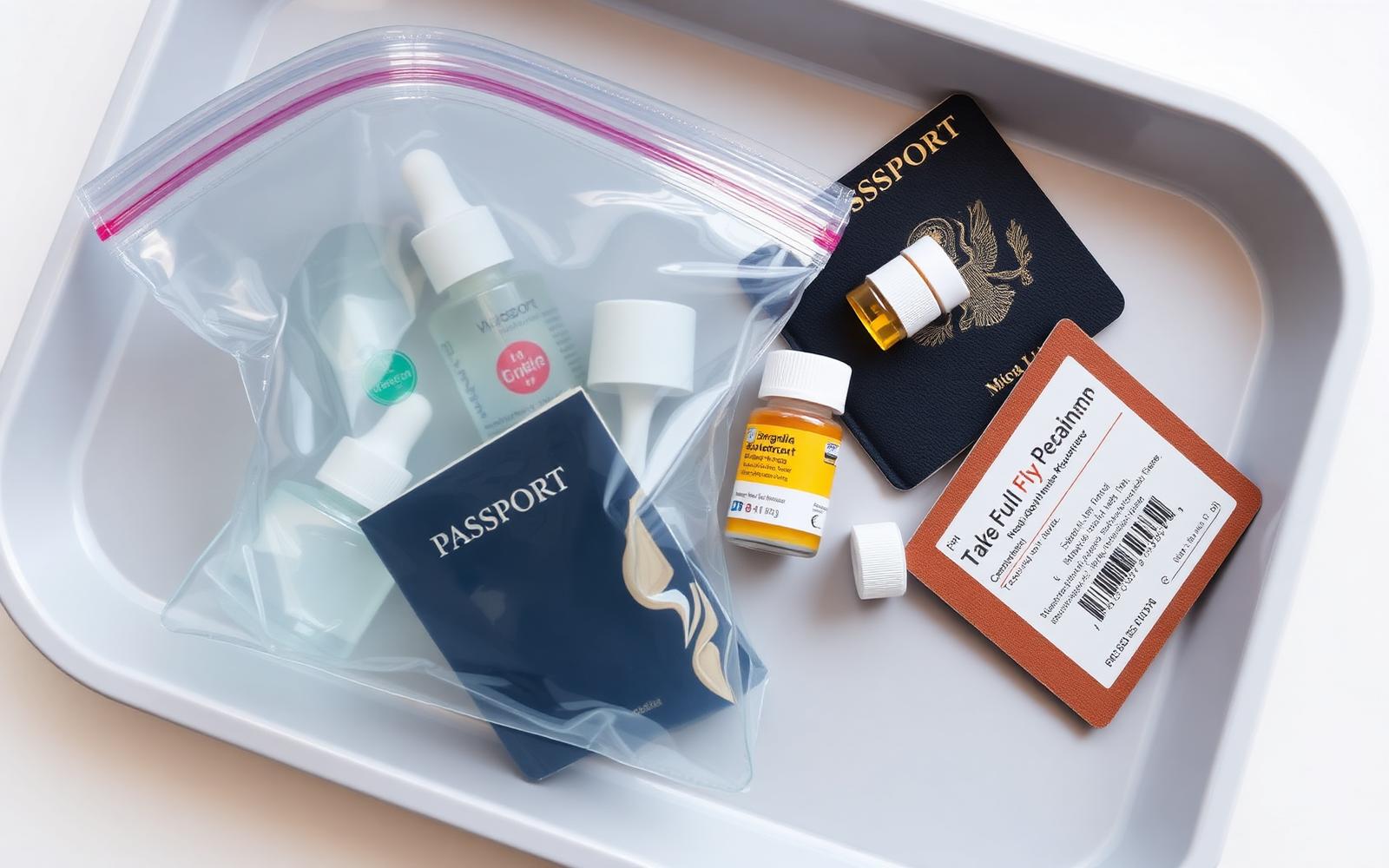
Screening delays are almost always caused by repacking. A bag organised for the tray table means you unpack in one movement and repack in another.
Weight matters too
Cabin bags on many European carriers are limited to 8 or 10 kilos. A full power bank, laptop and water bottle add up faster than expected, so weigh the packed bag once at home.
Pack the cabin bag as though the checked bag will arrive a day late, because sometimes it will.
Medication, documents, cards, keys, chargers and one change of clothes are the non-negotiable core.
Liquids: pack to 100 millilitres regardless of what the departure airport allows, because the return airport may be stricter. Power banks always travel in the cabin.
A six item overnight kit and a charged power bank turn an unplanned night from a bad memory into an inconvenience.
Related
Guides that answer the questions readers usually have immediately after this one.
The sizer decides, not the label on your suitcase. Here is how to pass it every time.
Read Guide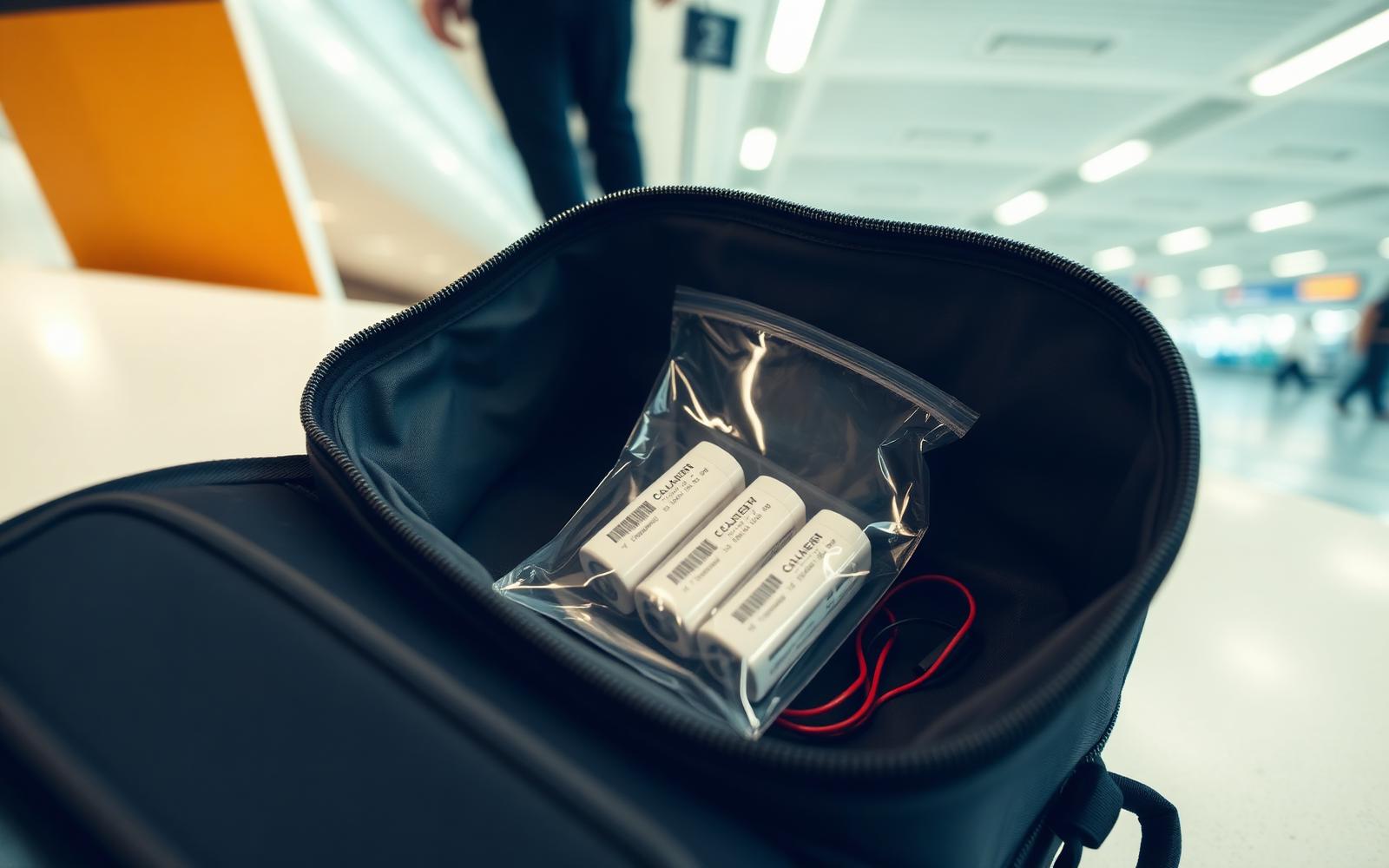
Where they can go, what capacity is allowed, and why the rule exists.
Read Guide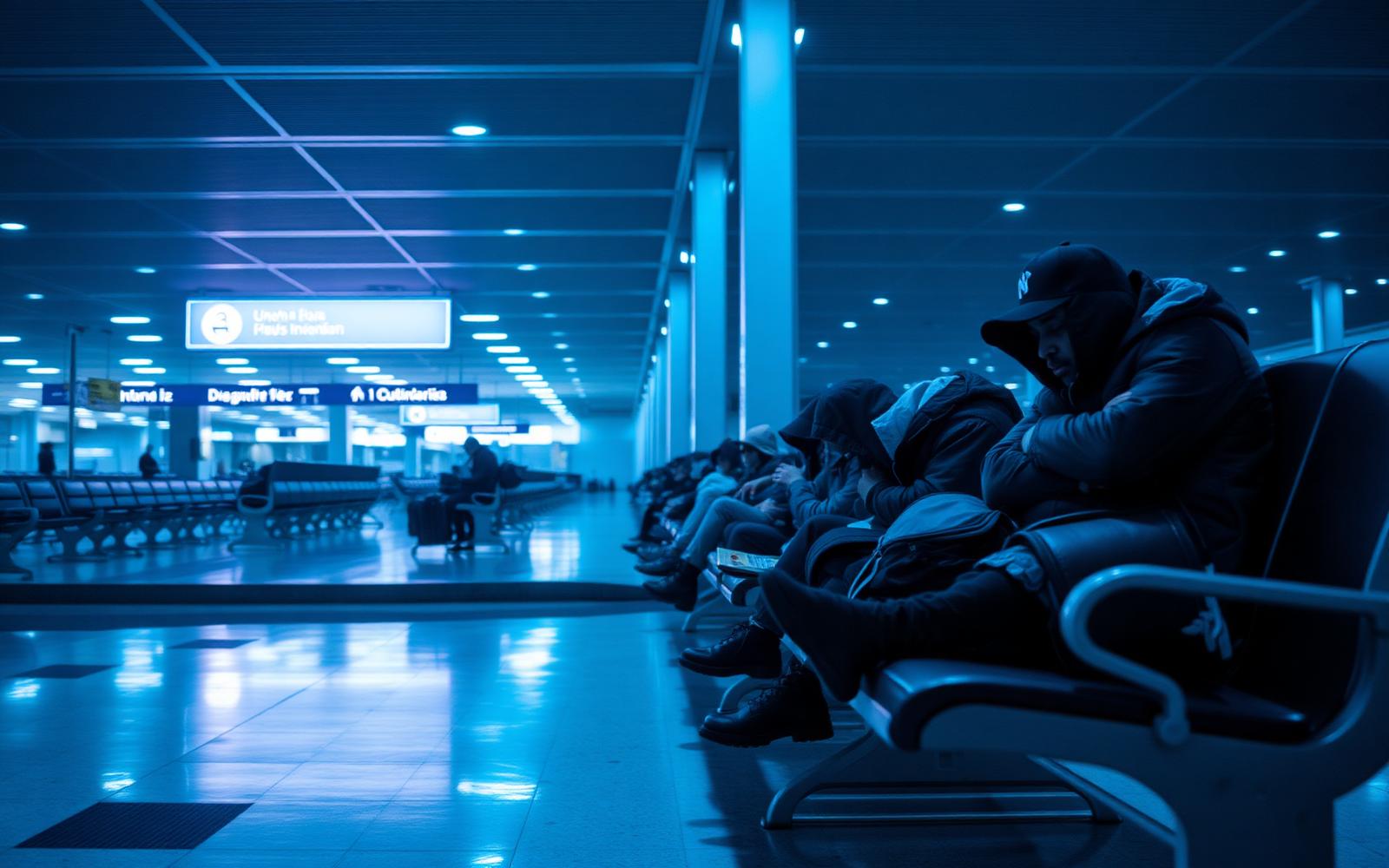
What to secure first when a flight is cancelled late in the evening.
Read GuideNext steps
Travel Documents
Flight Delays
Refund Help
Updated 20 July 2026
Updated 14 July 2026
Updated 2 July 2026
Updated 25 June 2026
Newsletter
A short email when a rule changes, a new guide lands, or a document requirement shifts. No promotions, no fares, no noise.
Open the Helpdesk. Eight desks, one structure, and an answer to the question you actually have.