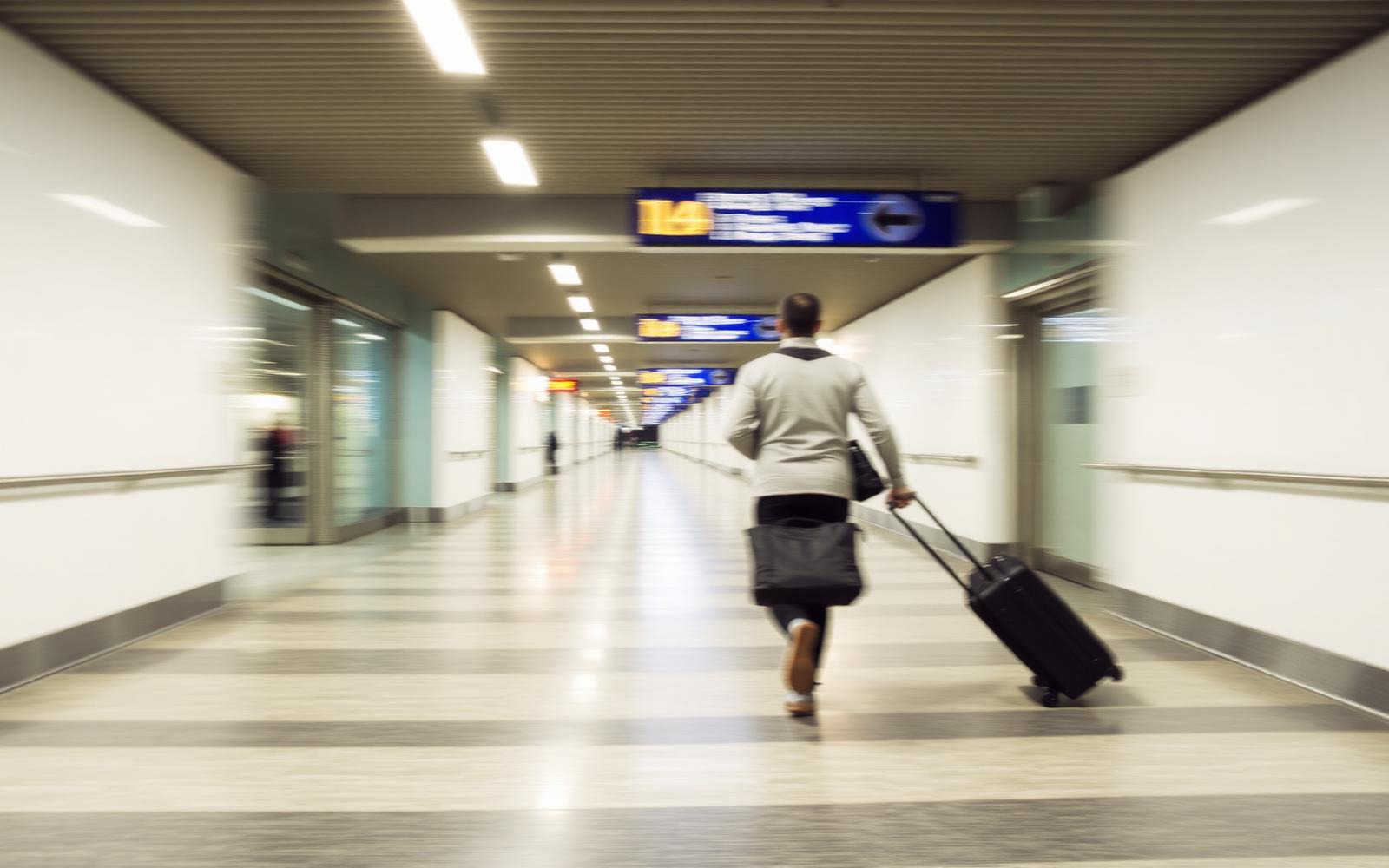
How Much Connection Time Is Genuinely Safe?
Minimum connection times are a legal floor, not a recommendation. Here is how to build a realistic buffer.
Read GuideWhere slack actually protects you, and where it just wastes a day.

Rules change without notice. Confirm anything time-critical with the airline, airport or border authority handling your journey before you travel. Read our fact checking policy.
Put buffer at the points where failure is unrecoverable: the last flight of the day, and the day before a fixed event.
Arrive a day early for weddings, cruises and non-refundable events.
Avoid tight connections on the outbound leg.
Keep one flexible day in any multi-city plan.
Buffer time is the least glamorous part of trip planning, and it is usually the part that decides whether a wedding, a cruise or a job interview actually happens on schedule. Most travelers think about it backwards: they add a vague extra hour here and there, hoping it will absorb whatever goes wrong.
That is not how buffer works. A flight delayed by weather at Frankfurt does not care about a spare hour tacked onto a layover in Munich. What matters is where in the trip a delay would be unrecoverable, and where it would simply be an inconvenience.
This guide walks through how to find those unrecoverable points, how much slack each one actually needs, and where adding buffer is a waste of a day rather than a safety net.
Travelers often spread a day of slack evenly across a trip: a few extra hours here, a night added there. That approach protects against nothing in particular.
The better model is to treat buffer as insurance against specific failure points, not as general padding. A missed connection in Istanbul on day two of a ten day trip is a different problem than a missed connection on the final leg home.
Ask one question per leg
For every flight or train, ask: if this leg is four hours late, does the rest of the trip still work? If the answer is no, that is where buffer belongs.
An unrecoverable point is any moment where a delay cannot be absorbed by anything downstream. A same day connection to a cruise departure from Barcelona is unrecoverable if the ship leaves without you. A non-refundable wedding in Tuscany is unrecoverable if you land the morning of the ceremony.
A cruise departure from Barcelona
A traveler flying in the same morning a cruise leaves has no recovery option if Ryanair or any carrier runs two hours late. Arriving the evening before removes that single point of failure entirely.
Buffer needs are not uniform. A domestic connection inside the same terminal at Schiphol needs less slack than an international transfer through passport control at JFK Terminal 4.
| Situation | Recommended buffer | Why |
|---|---|---|
| Domestic connection, same terminal | 45-60 minutes | No security or passport control repeat |
| International connection, same airport | 2-3 hours | Passport control and possible terminal change |
| Self-transfer between separate tickets | 4+ hours or overnight | No rebooking protection if the first leg is late |
| Arrival before a fixed event | One full extra day | Removes same day arrival risk entirely |
Airline minimum connection times are a floor, not a target
The minimum connection time published by an airport, like the one Istanbul lists for international to international transfers, is the shortest legal gap. It is not the gap you want to actually rely on.
Adding a spare day in the middle of a packed multi-city itinerary, say between Lisbon and Porto, often just means a day spent doing nothing rather than a day that protects anything. That day would matter far more moved to the end of the trip.
Do not pad every leg equally
Padding every single connection by an hour adds up to a lot of dead time in airports without meaningfully reducing your risk at the one leg that actually matters.
The fix is concentration, not distribution. Put your slack where a failure is unrecoverable, and let the low-risk legs run close to normal timing.
Before booking, list every leg of the trip on paper, or in a notes app, and mark each one as low risk, medium risk or unrecoverable if delayed.

In Europe especially, a train can double as buffer capacity rather than a full substitute for flying. If a connection through Frankfurt looks tight, booking a Deutsche Bahn train the evening before as a fallback into a nearby city can remove the pressure entirely.
Eurostar between London St Pancras and Paris, or Renfe between Madrid and Barcelona, both offer frequent enough schedules that a missed one is rarely a disaster, which makes them a useful pressure release valve inside a buffer plan.
Buffer time and travel insurance solve different problems. Buffer protects your schedule. Insurance protects your money if the schedule breaks anyway.
A policy with missed connection and trip delay coverage is worth checking before a trip with an unrecoverable point, but it should recieve less weight than actually structuring the itinerary to avoid the failure in the first place.
Buffer time works when it is targeted, not when it is generous. The goal is not to add hours everywhere but to find the two or three points in a trip where a delay cannot be absorbed, and put the slack there instead.
Everywhere else, tight but realistic timing is fine, and often better, since it avoids dead hours spent waiting in a terminal for no protective reason.
A short buffer map made before booking, listing each leg and its risk level, takes fifteen minutes and tends to save entire days later.
Related
Guides that answer the questions readers usually have immediately after this one.
Minimum connection times are a legal floor, not a recommendation. Here is how to build a realistic buffer.
Read Guide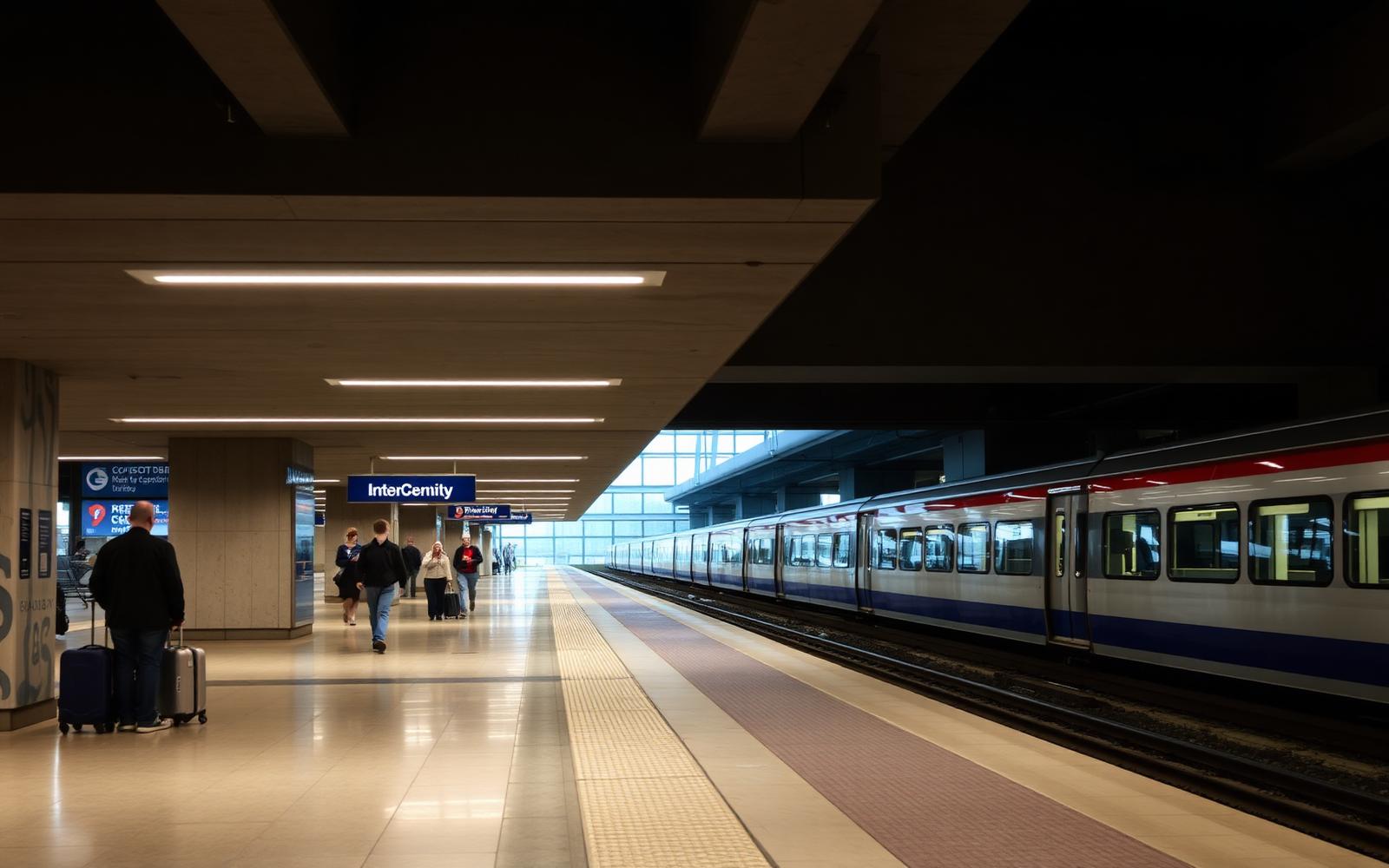
Rail can replace a weak short-haul leg and remove an entire failure point from your trip.
Read Guide
The sequencing decision that quietly determines how flexible your trip is.
Read GuideNext steps
Refund Help
Airline Rules Desk
Travel Documents
Updated 20 July 2026
Updated 14 July 2026
Updated 9 July 2026
Updated 2 July 2026
Newsletter
A short email when a rule changes, a new guide lands, or a document requirement shifts. No promotions, no fares, no noise.
Open the Helpdesk. Eight desks, one structure, and an answer to the question you actually have.