How Much Connection Time Is Genuinely Safe?
Minimum connection times are a legal floor, not a recommendation. Here is how to build a realistic buffer.
Read GuideThe one connection step that catches out even experienced travelers.
Rules change without notice. Confirm anything time-critical with the airline, airport or border authority handling your journey before you travel. Read our fact checking policy.
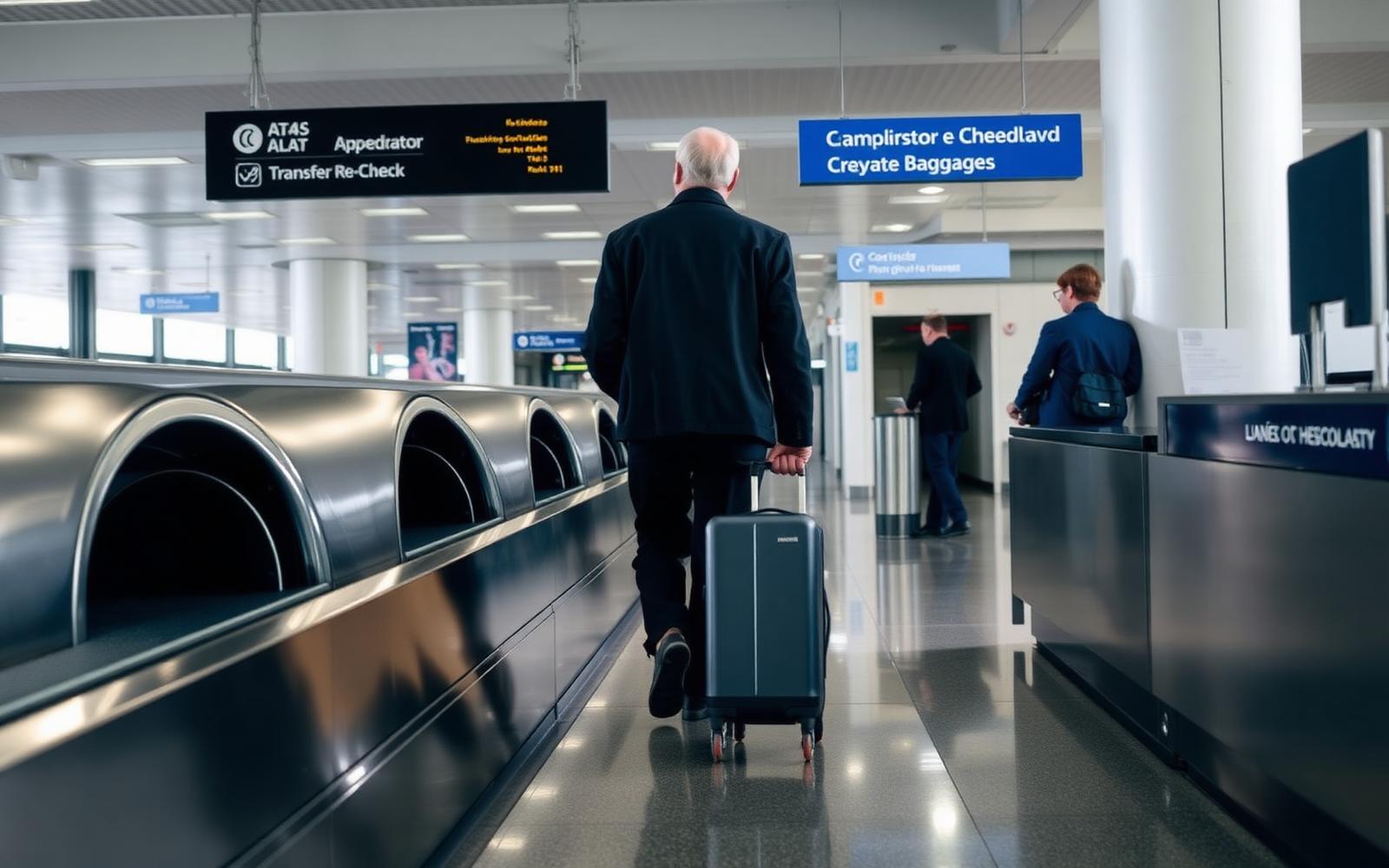
Bags are usually through-checked on one ticket, except where customs requires collection at the first point of entry.
Ask at check-in exactly where your bag is tagged to.
Look for a transfer bag-drop belt right after customs.
Allow an extra hour whenever a re-check is required.
Most connecting passengers never touch their checked bag. It is tagged to the final destination, transferred behind the scenes and appears on the belt at the end. That is the normal case and it works well.
The exception catches people out badly, because it is not about the airline or the ticket. It is about customs law. Several countries require every arriving passenger to physically collect their bag and present it to customs at the first point of entry, even when they are only passing through on the way to somewhere else.
Getting this wrong costs an hour you did not budget for, and occasionally the connection itself. This guide sets out where re-check applies, what the process looks like on the ground, how much time to allow, and the exact question to ask at check-in so you know before you fly.
Through-checking depends on whether the airlines involved have an agreement to hand baggage between them, and on the customs rules of the countries you transit.
Read the tag, not the confirmation
The three letter code printed at the bottom of the baggage tag is where the bag is going. If it shows your final destination, the bag is through-checked. If it shows the connecting airport, you are collecting it there. Photograph the tag before you leave the desk.
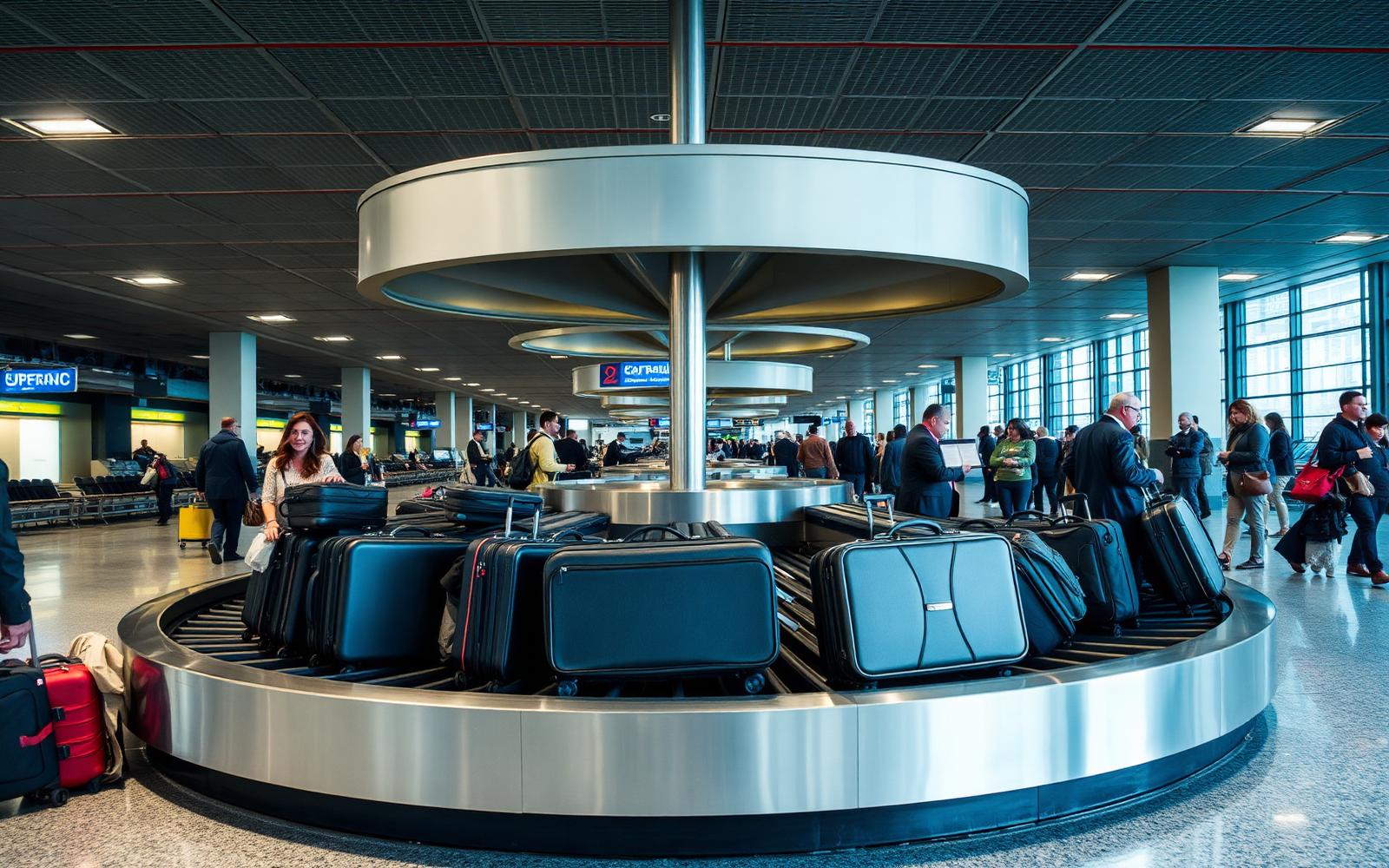
In some countries, everyone entering the customs territory must present their baggage, even connecting passengers who will never leave the airport. The rule applies regardless of the ticket.
| Country or region | Re-check required? | Notes |
|---|---|---|
| United States | Yes, at first point of entry | Collect, clear customs, then use the transfer belt |
| Canada | Yes, for most international arrivals | Some pre-cleared US routings are exempt |
| Australia and New Zealand | Yes | Biosecurity screening applies to all arriving bags |
| Ireland, on US-bound routings | Preclearance at Dublin and Shannon | Bag is checked through, but you clear US customs before boarding |
| Most of the Schengen area | No | Bags transfer airside on a single ticket |
| Singapore, Dubai, Doha, Istanbul | No | Designed as transfer hubs with airside connections |
The United States is the one that surprises people most
If you fly Frankfurt to Chicago O'Hare and onward to Denver on a single United ticket, you still collect your bag at O'Hare, clear customs and immigration, and hand the bag straight back onto a transfer belt before re-clearing security. Nothing about the single ticket changes this.
The reverse is also true and less well known. A domestic connection inside a country you have already entered does not require another re-check. Landing in Los Angeles from Sydney and connecting to Phoenix means one re-check at LAX, not two.
The sequence is standardised at most airports and takes far less time than travelers expect, provided you know where you are going.
You usually do not queue at a check-in desk
The most common mistake is walking out into the departures hall and joining the general check-in queue. The transfer belt just past customs exists specifically to avoid that, and it is normally staffed by a handling agent rather than an airline desk.
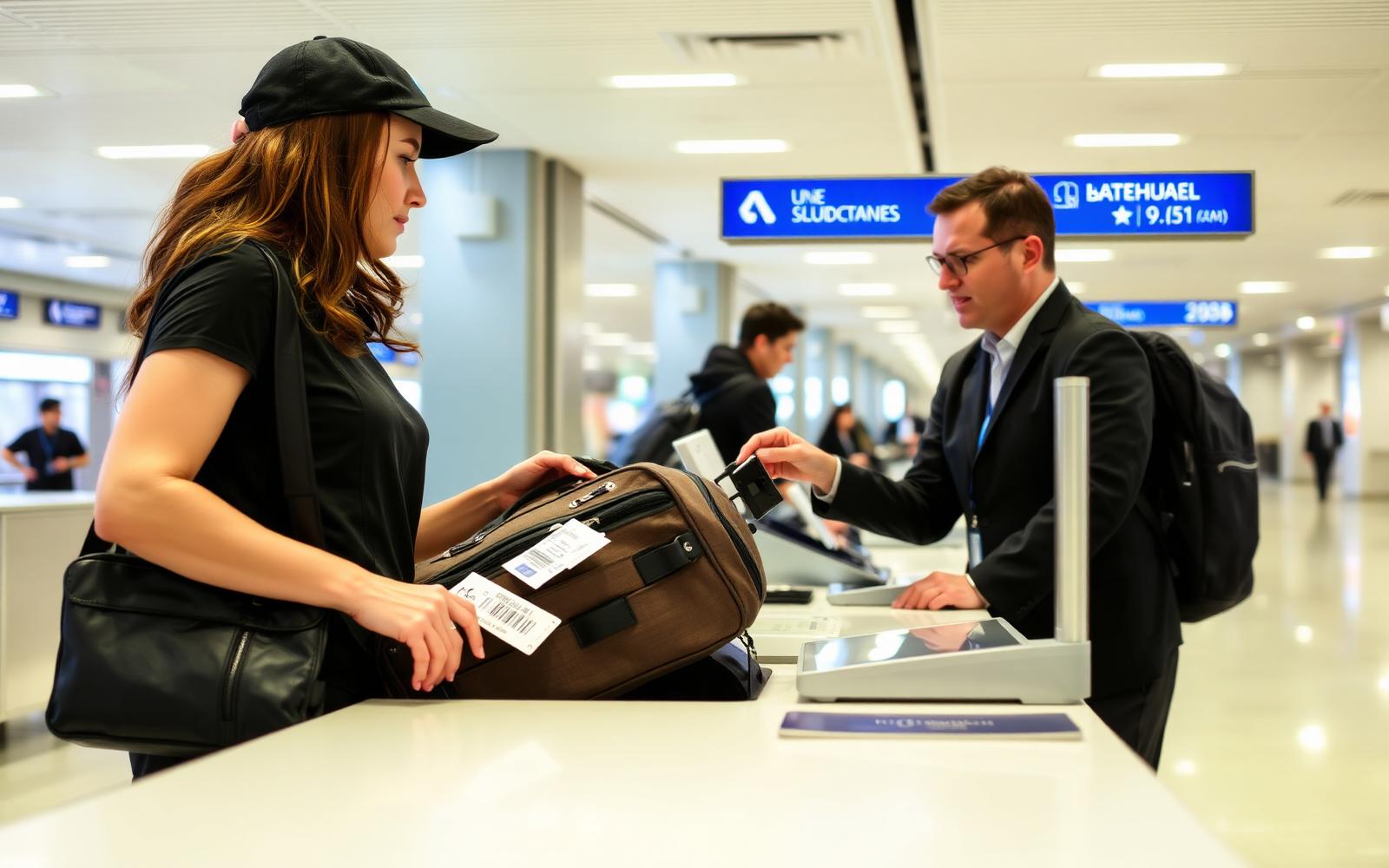
The re-check itself takes a few minutes. The time goes on immigration and on waiting for a bag that may be among the last off the aircraft.
| Step | Typical time | Worst realistic case |
|---|---|---|
| Disembarking and walk to immigration | 10 to 20 min | 35 min from a remote stand |
| Immigration queue | 15 to 45 min | 90 min at peak arrival banks |
| Baggage reclaim wait | 15 to 30 min | 50 min on a widebody |
| Customs channel and transfer drop | 5 to 10 min | 20 min if inspected |
| Security re-screening | 10 to 25 min | 45 min at peak |
Adding those together gives a working minimum of about two hours at a re-check airport, and three hours is more comfortable at large US hubs during the afternoon arrival bank. Airlines will sell shorter connections than this, because the published minimum connection time assumes everything runs at the fast end.
Layouts differ, and the difference is worth knowing before you land.
Two hours that were not two hours
A passenger arriving at Newark from Lisbon with a 2 hour 5 minute connection to Cleveland clears immigration in 40 minutes and waits 35 for the bag. That leaves 50 minutes for customs, the transfer belt, the terminal change and security. It works, but only just, and a 20 minute inbound delay would have ended it.
Duty free liquids are frequently confiscated after a re-check
Because you pass through security again, liquids over 100 ml bought before the first flight can be removed unless they are in a sealed tamper-evident bag with the receipt visible. Buy them at the last airport before your final destination instead.
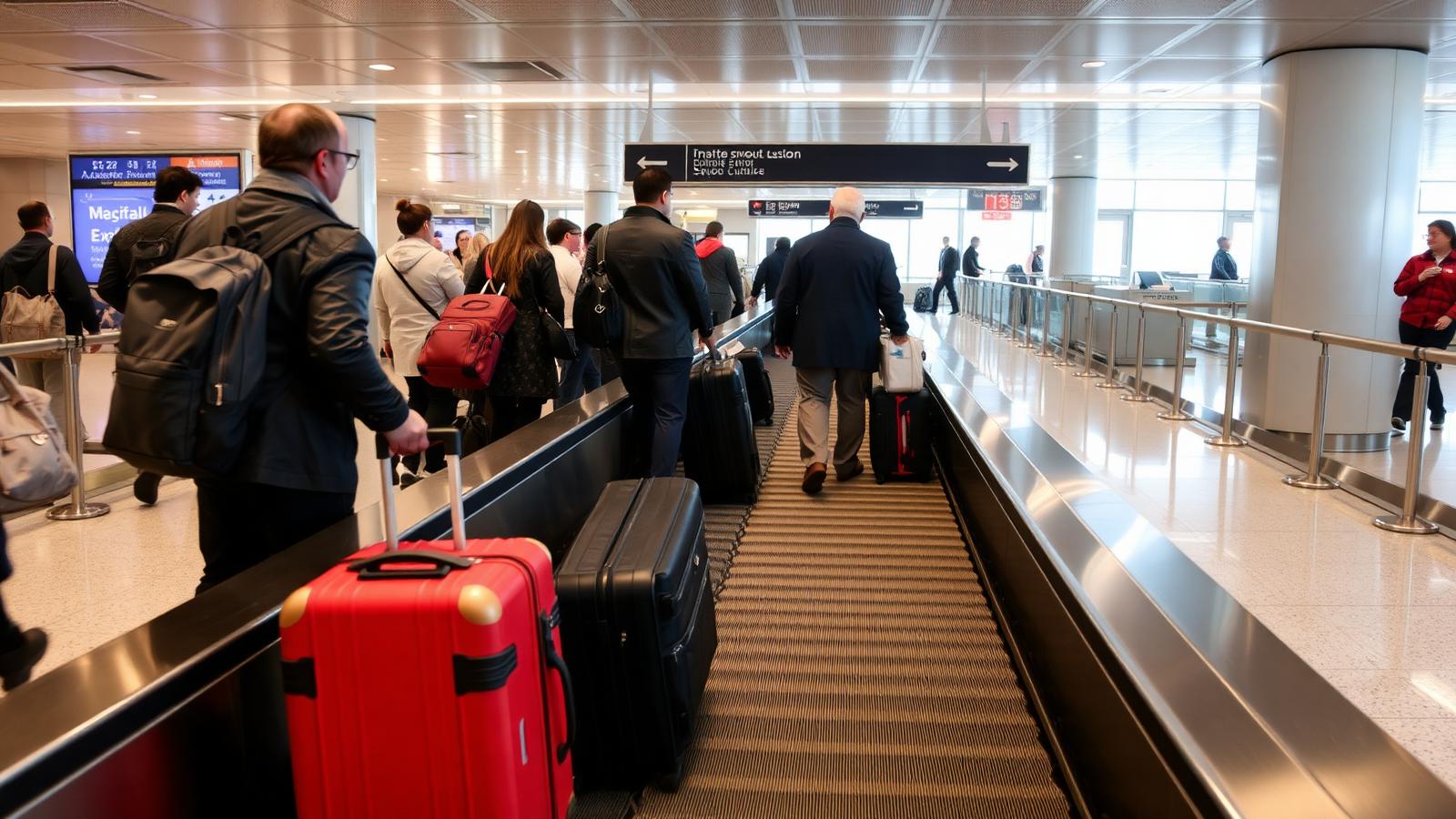
Bags are through-checked on most single-ticket itineraries, but customs law can override that. Countries including the United States, Canada, Australia and New Zealand require every arriving passenger to present baggage at the first point of entry.
The baggage tag answers the question definitively. The airport code printed on it tells you exactly how far the bag is travelling before you see it again.
The re-check process itself is short. Immigration queues and reclaim waits are what consume the connection, which is why two hours is a floor and three is comfortable at a large hub.
Use the transfer belt immediately past the customs exit rather than the main departures hall, and buy duty free liquids at the last airport before your final destination so they survive the second security screening.
This guide was written and checked against the following categories of primary source.
Airport authority guidance
Terminal layouts, transfer times, security procedure and check-in cut-offs.
Transportation authorities
Screening rules and permitted items at the security checkpoint.
Official airline check-in policies
Carrier-specific closing times for bag drop and boarding.
Related
Guides that answer the questions readers usually have immediately after this one.
Minimum connection times are a legal floor, not a recommendation. Here is how to build a realistic buffer.
Read Guide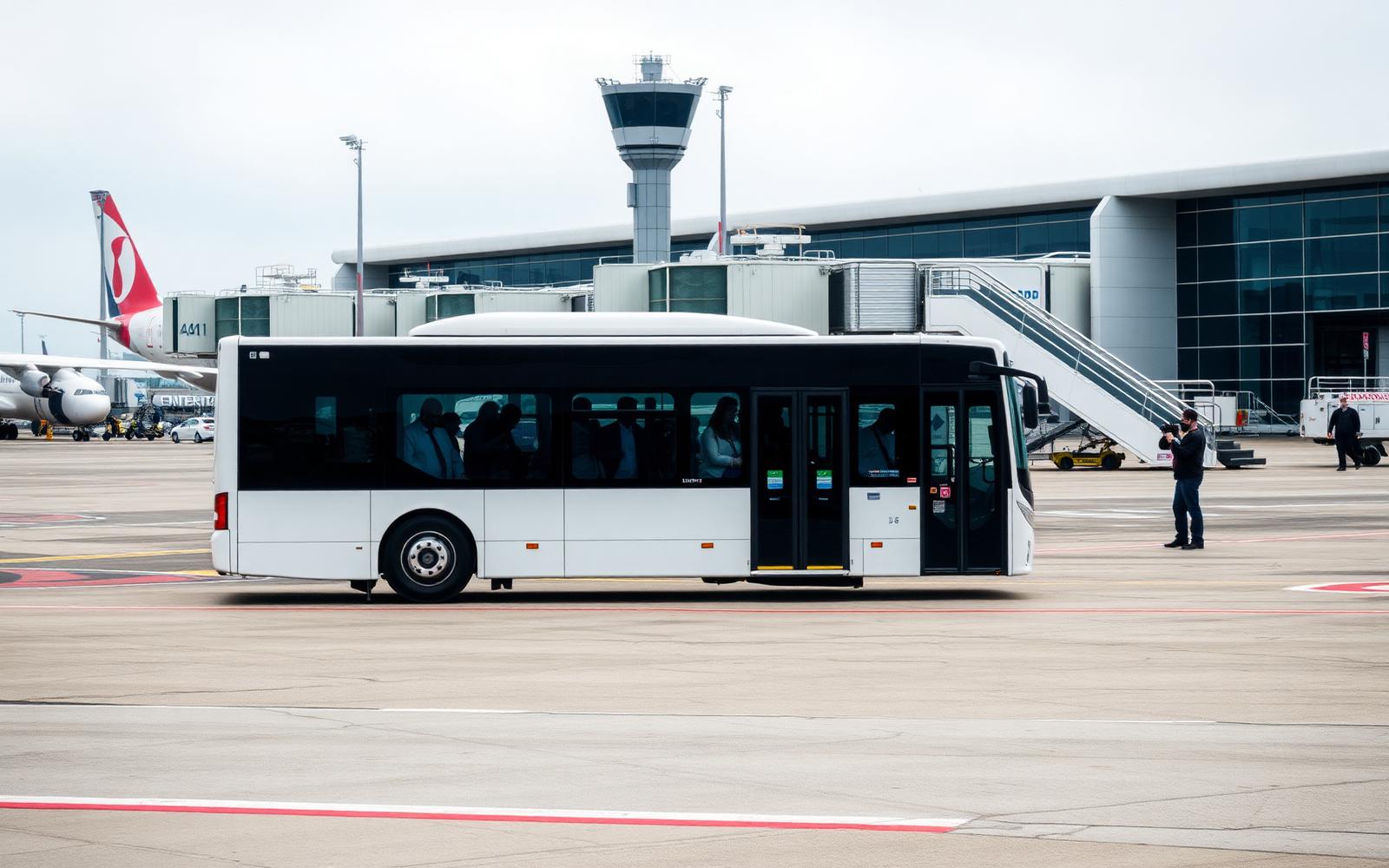
Trains, buses and long walks, and how much time each one really takes.
Read Guide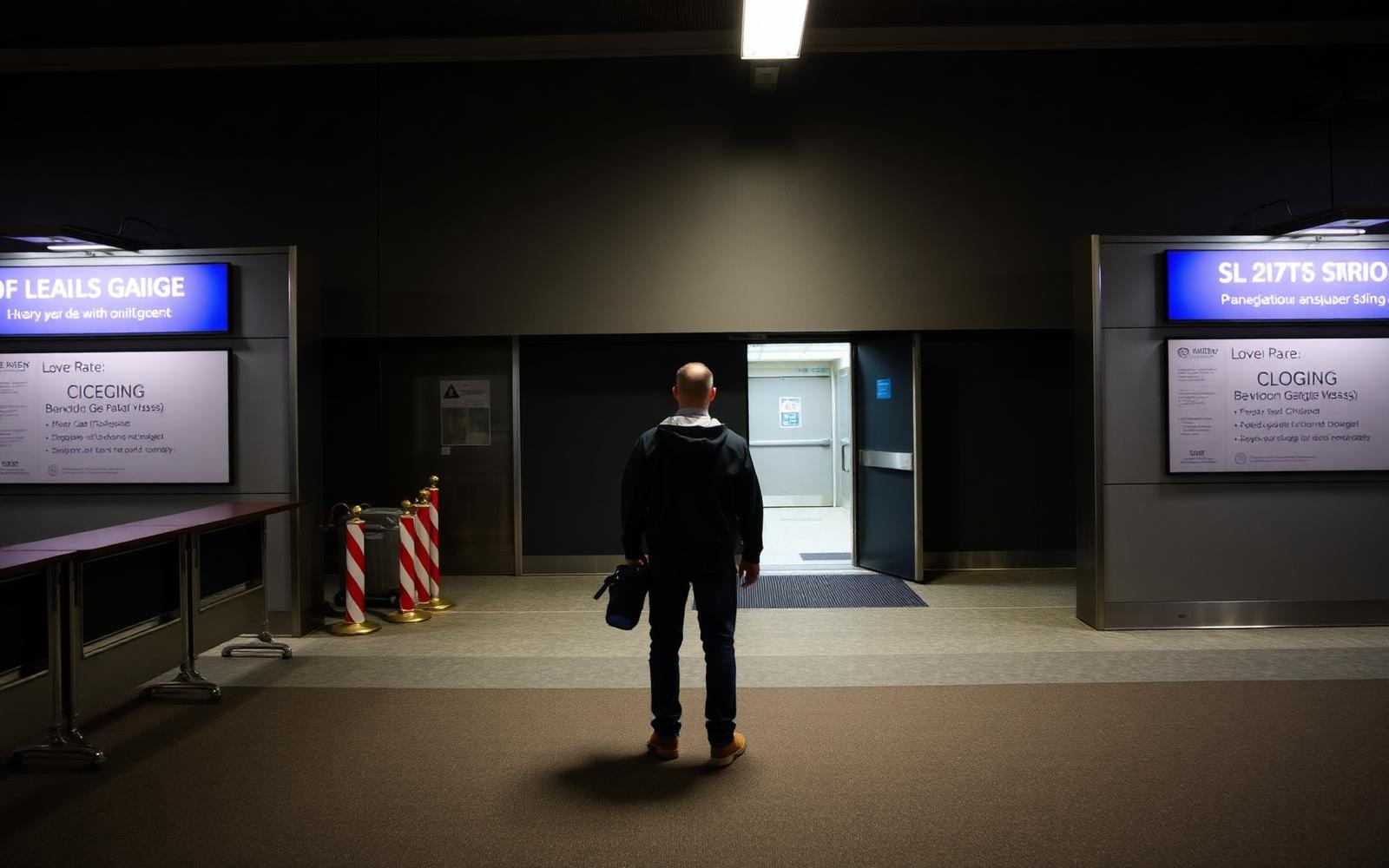
The uncomfortable answer, and the three moves that limit the damage.
Read GuideNext steps
Travel Documents
Flight Delays
Travel Planning
Updated 20 July 2026
Updated 9 July 2026
Updated 25 June 2026
Updated 18 June 2026
Newsletter
A short email when a rule changes, a new guide lands, or a document requirement shifts. No promotions, no fares, no noise.
Open the Helpdesk. Eight desks, one structure, and an answer to the question you actually have.