
Travel Change Desk5 min
Can You Change a Flight Date After Check-In Opens?
Online change tools usually disappear once check-in opens. Here is what still works and how quickly you need to move.
Read GuideThe library
39 structured guides across 8 specialist desks. Each one answers a single question, gives the quick answer first, and offers three practical solutions.
Freshness
Each guide carries a published date, a last updated date and a named reviewer.
Last reviewed by Tom Delacroix · 20 July 2026
Last reviewed by Tom Delacroix · 20 July 2026
Last reviewed by Elena Marchetti · 16 July 2026
Last reviewed by Elena Marchetti · 20 July 2026
Last reviewed by Elena Marchetti · 25 June 2026
Last reviewed by Tom Delacroix · 18 June 2026
Editorially reviewed
Every guide is checked by a second editor before it is published.
Independent research
Claims are traced to regulators, carriers and border authorities.
Regularly updated
Guides carry a review date and are re-checked on a fixed cycle.
Airline neutral
No carrier pays for coverage, placement, ordering or wording.
Practical guidance
Written to be usable while you are standing at a desk or a gate.
Worldwide coverage
Rules explained across Europe, North America, Asia and beyond.
Desk
Step-by-step help for changing dates, names, routes and passengers on an existing air ticket.
Online change tools usually disappear once check-in opens. Here is what still works and how quickly you need to move.
Read Guide
Two different charges hide behind one number at checkout. Knowing which is which tells you whether waiting will help.
Read Guide
Small spelling errors are usually fixable. Transfers to another traveler are not. Here is where the line sits.
Read Guide
Moving to an earlier flight can rescue a day, or waste money. A simple test tells you which.
Read Guide
One traveler needs a different date while the rest stay put. The booking usually has to be split first.
Read GuideDesk
Alternative routings, nearby airports, split tickets and overland options when the direct plan fails.
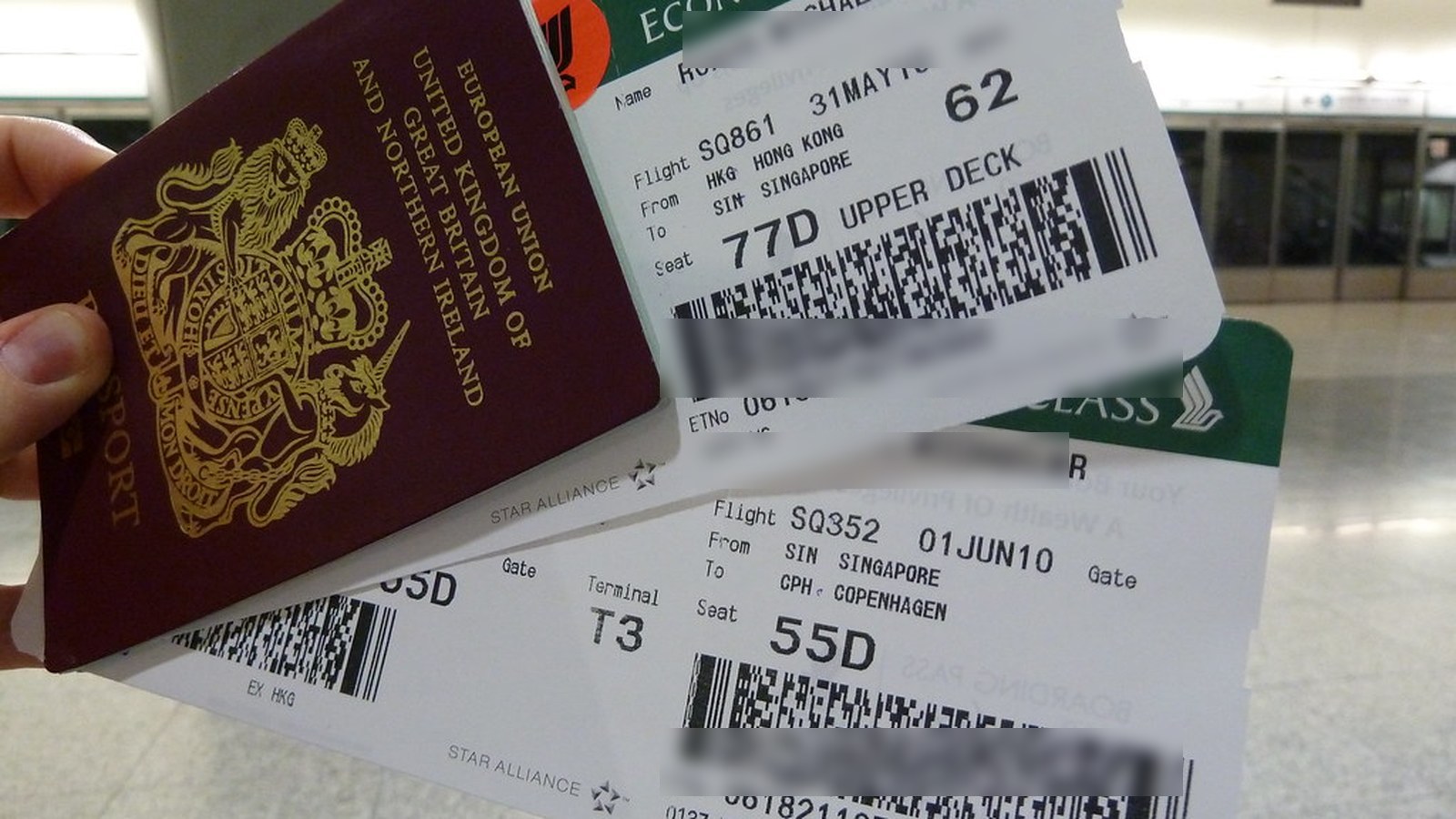
Two separate tickets can cut the price of a long journey. They also move all connection risk onto you.
Read Guide
Minimum connection times are a legal floor, not a recommendation. Here is how to build a realistic buffer.
Read Guide
The fare looks better. Then ground transport, timing and risk enter the calculation.
Read Guide
Rail can replace a weak short-haul leg and remove an entire failure point from your trip.
Read Guide
The uncomfortable answer, and the three moves that limit the damage.
Read GuideDesk
Plain-language explanations of fare conditions, baggage allowances, check-in windows and boarding rules.

Non-refundable rarely means nothing comes back. It means the fare itself is not returned.
Read Guide
The sizer decides, not the label on your suitcase. Here is how to pass it every time.
Read Guide
Counter, bag drop and gate all close at different moments. Only one of them is negotiable.
Read Guide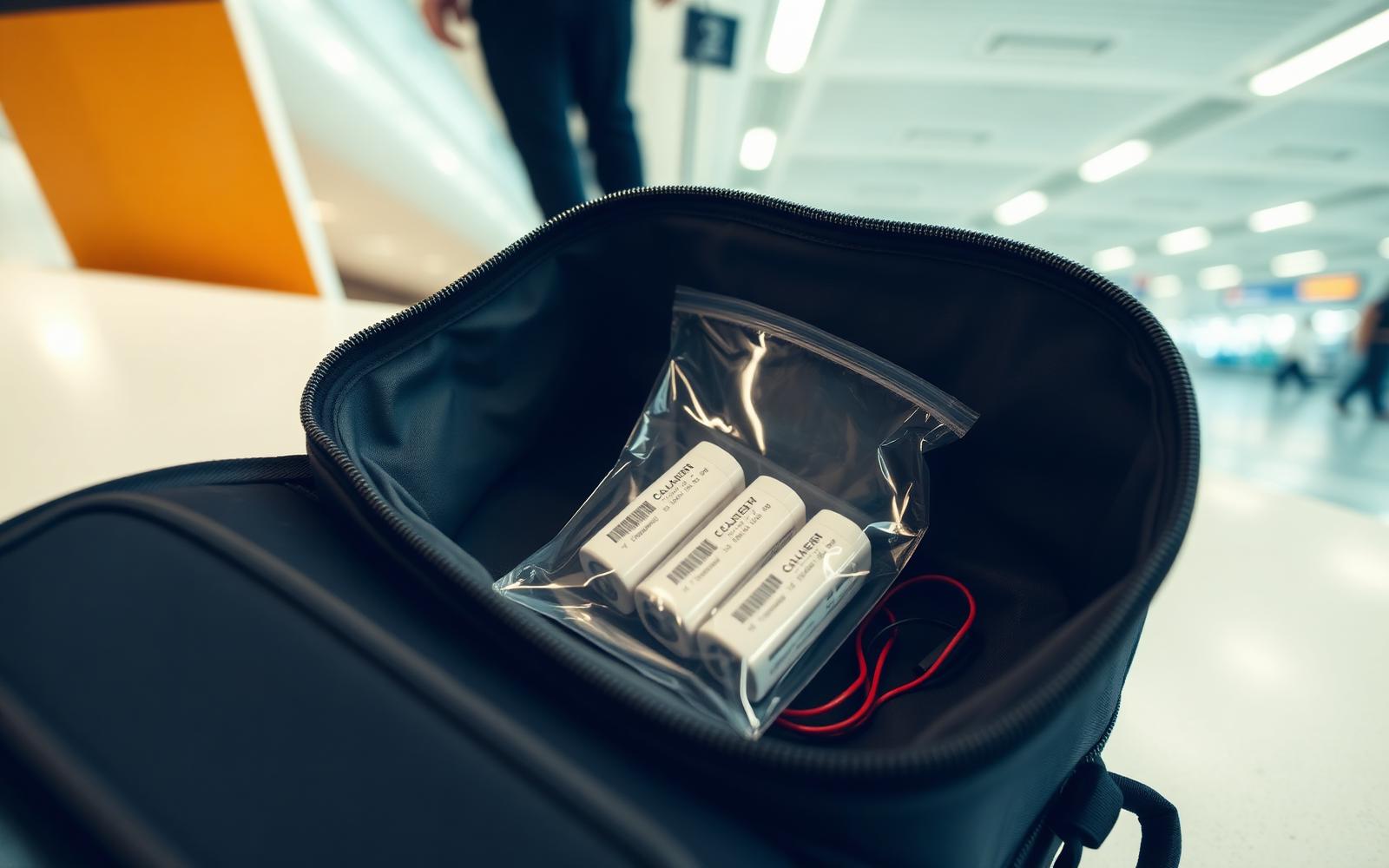
Where they can go, what capacity is allowed, and why the rule exists.
Read Guide
Airlines are checked at the border too, which is why they refuse boarding when documents look wrong.
Read Guide
A short grace period exists on many tickets, with conditions most travelers miss.
Read GuideDesk
What to carry, how long it must stay valid, and how entry requirements are usually checked.

The six-month rule is common, but it is not universal and it is not always measured the same way.
Read Guide
Staying airside is not always enough. Some countries require a visa to pass through at all.
Read Guide
Airlines sometimes ask before border officers do. Here is what satisfies the check.
Read Guide
Passports, consent letters and birth certificates, what is needed and when.
Read Guide
A water stain can end a trip at the check-in desk. Learn the threshold before you travel.
Read GuideDesk
Terminal transfers, security timing, arrival flows and what to expect inside large airports.
A practical timing model based on flight type, baggage and airport size.
Read Guide
Trains, buses and long walks, and how much time each one really takes.
Read Guide
When it is realistic, when it is reckless, and how to time it safely.
Read Guide
The one connection step that catches out even experienced travelers.
Read Guide
Small preparation habits that consistently save ten to fifteen minutes.
Read GuideDesk
Delay causes, rebooking priority, overnight situations and how to protect the rest of your trip.
The label on the board changes your options, your entitlements and your next move.
Read Guide
Aircraft position, crew timing and weather tell you more than the departure board does.
Read Guide
Three actions in the air and on the ground that keep your itinerary alive.
Read Guide
What to secure first when a flight is cancelled late in the evening.
Read Guide
The evidence that makes later claims straightforward instead of exhausting.
Read GuideDesk
Refund eligibility, taxes and fees, processing timelines and how to structure a clear request.
Some charges only exist if you fly. If you did not fly, they may be recoverable.
Read Guide
Structure, evidence and tone: the three things that decide the outcome.
Read Guide
Credit is offered first because it is cheaper for the airline. Sometimes it is still better for you.
Read Guide
Realistic timelines by payment method, and what to do when they pass.
Read GuideDesk
Buffer times, booking order, backup plans and the habits that prevent travel problems.

Where slack actually protects you, and where it just wastes a day.
Read Guide
The sequencing decision that quietly determines how flexible your trip is.
Read Guide
One page, five lines, and far less stress when something goes wrong.
Read Guide
The short list that turns a lost bag into an inconvenience rather than a crisis.
Read GuideNewsletter
A short email when a rule changes, a new guide lands, or a document requirement shifts. No promotions, no fares, no noise.
Open the Helpdesk. Eight desks, one structure, and an answer to the question you actually have.