
Airline Rules Desk4 min
What a Non-Refundable Fare Really Means
Non-refundable rarely means nothing comes back. It means the fare itself is not returned.
Read GuideSome charges only exist if you fly. If you did not fly, they may be recoverable.
Rules change without notice. Confirm anything time-critical with the airline, airport or border authority handling your journey before you travel. Read our fact checking policy.
Passenger service charges and certain departure taxes are commonly refundable even on non-refundable fares.
Request a tax-only refund quoting the ticket number.
Ask for a breakdown of the fare and taxes if it is not shown.
Follow up in writing if there is no response within 30 days.
Most travelers who buy a non-refundable ticket assume the whole price is gone if they never fly. That is only partly true. A ticket price is made up of a base fare and a stack of separate taxes and charges, and several of those charges exist purely because you flew, not because you booked.
If the flight never happens, those specific charges have nothing to attach to, and airlines are generally required to give them back even when the fare itself is fully non-refundable.
This is one of the least understood parts of an airline ticket, mostly because the refundable portion is usually small, thirty to ninety dollars on most itineraries, and airlines have no strong incentive to advertise it. It is still worth claiming, especially on itineraries with connections in high-tax countries like the UK or Germany.
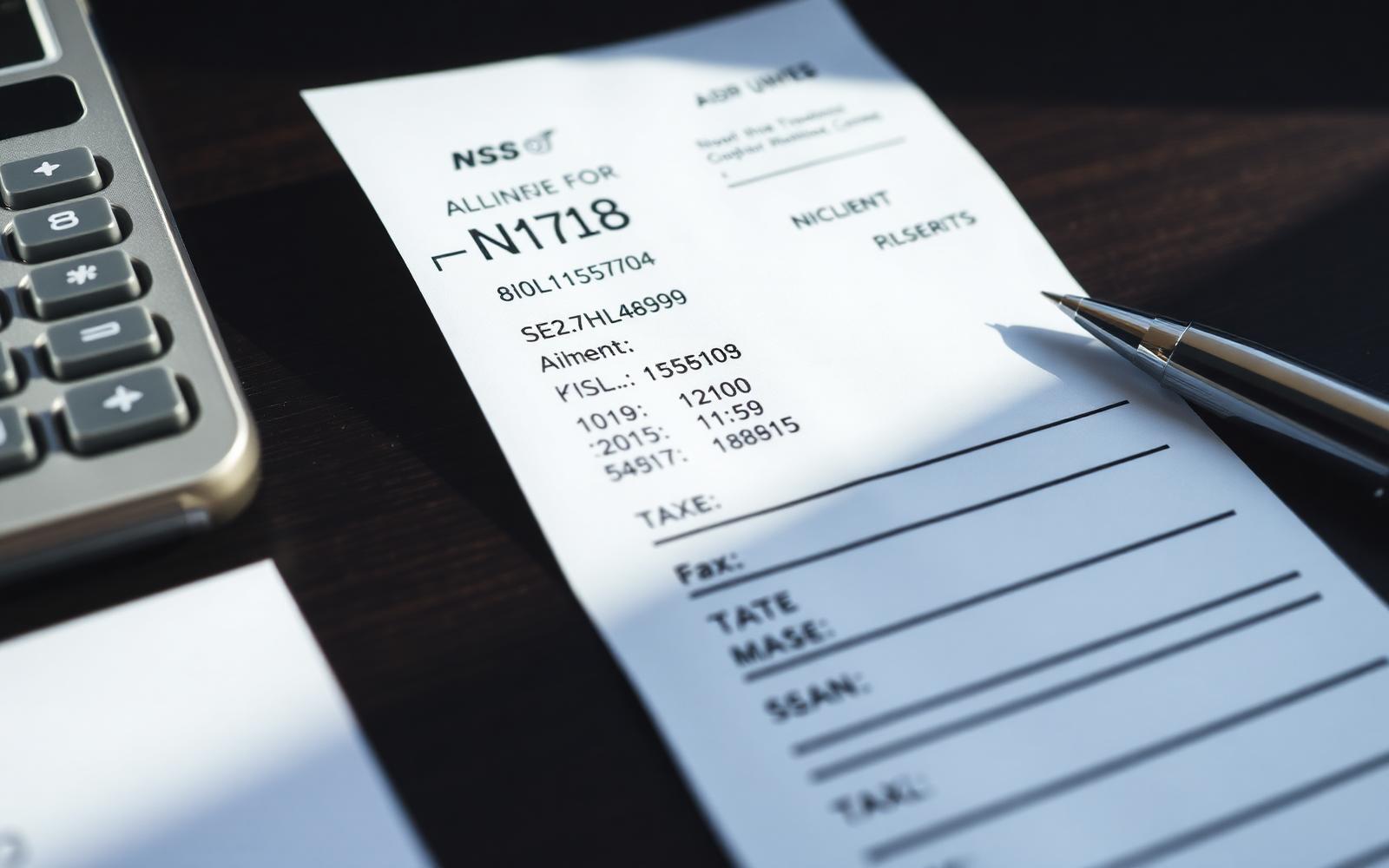
Open your ticket receipt and look past the total. Most carriers itemise the base fare separately from a list of tax and fee codes, each two or three letters long, next to a small amount.
| Common code | What it usually is | Refundable if unused |
|---|---|---|
| YQ / YR | Carrier-imposed surcharge, often fuel related | Sometimes, depends on airline policy |
| UB | Departure or passenger service charge | Usually yes |
| GB | UK Air Passenger Duty | Yes, in almost all cases |
| DE | German departure tax | Yes, in almost all cases |
| XT / AY | Miscellaneous government or security fees | Usually yes |
Codes vary between airlines and countries
The exact code letters differ slightly by carrier and jurisdiction. Treat this table as a guide to the categories, and check the specific breakdown on your own ticket receipt.
Air Passenger Duty in the United Kingdom, the German air transport tax, and similar charges in other countries are government levies tied to a passenger actually departing from that country's airports. They are collected by the airline on the government's behalf, not kept by the airline.
If you never fly, the government never collected a service from you, so the legal and practical basis for the charge disappears. Airlines are effectively holding money that belongs back with you, minus whatever administrative fee they are entitled to keep for processing the refund.
This applies even on the cheapest fares
A basic economy ticket on Ryanair or a similar low cost carrier still carries these government charges, and they are refundable under the same logic even though the fare itself carries no other flexibility at all.
The base fare itself, meaning the price the airline charges for the seat, is a separate matter and follows whatever refund rules apply to that fare type. A non-refundable fare stays non-refundable for that portion, no matter how the taxes are treated.
Do not expect the base fare back
Requesting a tax refund on a non-refundable ticket will not return the base fare. Keep expectations to the specific line items that are tied to actually flying.
Most airlines have a specific form for this, often labeled something like 'unused ticket taxes' or 'refund of unused government charges', separate from the general refund request form.
A Heathrow example
A traveler who cancelled a non-refundable London to Singapore ticket departing from Heathrow T5 was told the fare was non-refundable at the counter. Filing the separate UK Air Passenger Duty refund form two weeks later returned about 90 pounds that the counter agent had not mentioned.
Processing times vary widely. Some airlines process a tax-only refund within two to three weeks, while others take two to three months, particularly if the request goes through a general customer service queue rather than a dedicated refunds team.
If you hear nothing after thirty days, follow up in writing rather than calling again, since a written follow-up creates a record that a phone call does not.

Yes, and this is one of the more overlooked cases. Award tickets on LATAM, ANA, or Emirates still carry the same category of government taxes even though the seat itself was booked with points rather than cash.
If an award ticket goes unused, request the tax refund the same way you would for a cash ticket. The miles themselves are typically redeposited separately, sometimes with a small redeposit fee, but the taxes follow the same logic as any other unused ticket.

On a multi-city itinerary, each segment can carry different departure taxes depending on the country. If you used the first segment but not the rest, only the unused portions are typically refundable, and the airline needs to recalculate which taxes applied to which leg.
This makes the request slightly more complex to process, so be specific in your request about exactly which segments were not flown, ideally quoting the flight numbers and dates directly.
The base fare on a non-refundable ticket is genuinely gone once you decide not to fly, and no amount of paperwork changes that. The taxes and government charges sitting alongside that fare are a different matter entirely, and they are recoverable far more often than most travelers realize.
The process is rarely advertised clearly, so it typically falls on the traveler to find the right form and ask specifically for the government charges rather than accepting a blanket 'non-refundable' answer at the counter.
Specific tax rules and refund windows differ by airline and by country, so treat the categories in this guide as a starting point and confirm the details against your own ticket receipt and the airline's published refund policy before submitting a request.
This guide was written and checked against the following categories of primary source.
Air passenger rights regulators
Enforcement body guidance on refund entitlements and payment timelines.
Official airline refund and fare rules
Published fare conditions covering refundability, credits and residual value.
Consumer protection authorities
Guidance on chargebacks, disputes and escalation routes.
International aviation organisations
Industry standards on ticket taxes, charges and their treatment on unused travel.
Related
Guides that answer the questions readers usually have immediately after this one.
Non-refundable rarely means nothing comes back. It means the fare itself is not returned.
Read Guide
Structure, evidence and tone: the three things that decide the outcome.
Read Guide
Credit is offered first because it is cheaper for the airline. Sometimes it is still better for you.
Read GuideNext steps
Flight Delays
Travel Planning
Route Alternatives Desk
Updated 20 July 2026
Updated 14 July 2026
Updated 9 July 2026
Updated 2 July 2026
Newsletter
A short email when a rule changes, a new guide lands, or a document requirement shifts. No promotions, no fares, no noise.
Open the Helpdesk. Eight desks, one structure, and an answer to the question you actually have.