
Refund Help4 min
Refund or Travel Credit: Which Should You Accept?
Credit is offered first because it is cheaper for the airline. Sometimes it is still better for you.
Read GuideStructure, evidence and tone: the three things that decide the outcome.

Rules change without notice. Confirm anything time-critical with the airline, airport or border authority handling your journey before you travel. Read our fact checking policy.
State the booking reference, the facts, the rule you rely on and the outcome you want, in that order, in one message.
Keep the message under 200 words with attachments listed clearly.
Quote dates and flight numbers rather than describing events.
Ask for a written decision with a reference number.
Most refund requests are not rejected because the traveler was wrong. They are rejected because the message was too long, too emotional, or missing the one detail an agent needed to approve it in thirty seconds.
A refund team at Lufthansa or Delta processes hundreds of these messages a day. The ones that move fast look almost boring: booking reference at the top, a short run of facts, the rule being invoked, and a single clear ask.
This guide walks through how to build that message from scratch, what to attach, and how to escalate it if the first answer is silence or a form rejection. It also covers the small things, like why the subject line matters more than people think.
A refund request is processed by a person scanning a queue, not reading a story. If your message opens with three paragraphs about how disappointing your trip was, the agent has to hunt for the booking reference before they can even open the file.
The fix is to put the reference number, flight number and date in the first line, before any explanation. Everything after that is supporting detail, not the headline.
Lead with numbers
Booking reference, flight number, date of travel. If an agent can copy those three things into their system without reading further, you have already saved yourself a day.
Airlines like Ryanair and ANA both publish refund policies that reference specific fare types, so naming the fare class you booked, rather than just saying 'my ticket', gives the agent less room to push the request back to you for clarification.
A working opening line
Booking reference XQP4T2, flight LH441 Frankfurt to JFK on 14 March. The flight was cancelled and I was rebooked onto a flight the next day that I could not take. I am requesting a full refund to the original card under EU261, not a voucher.
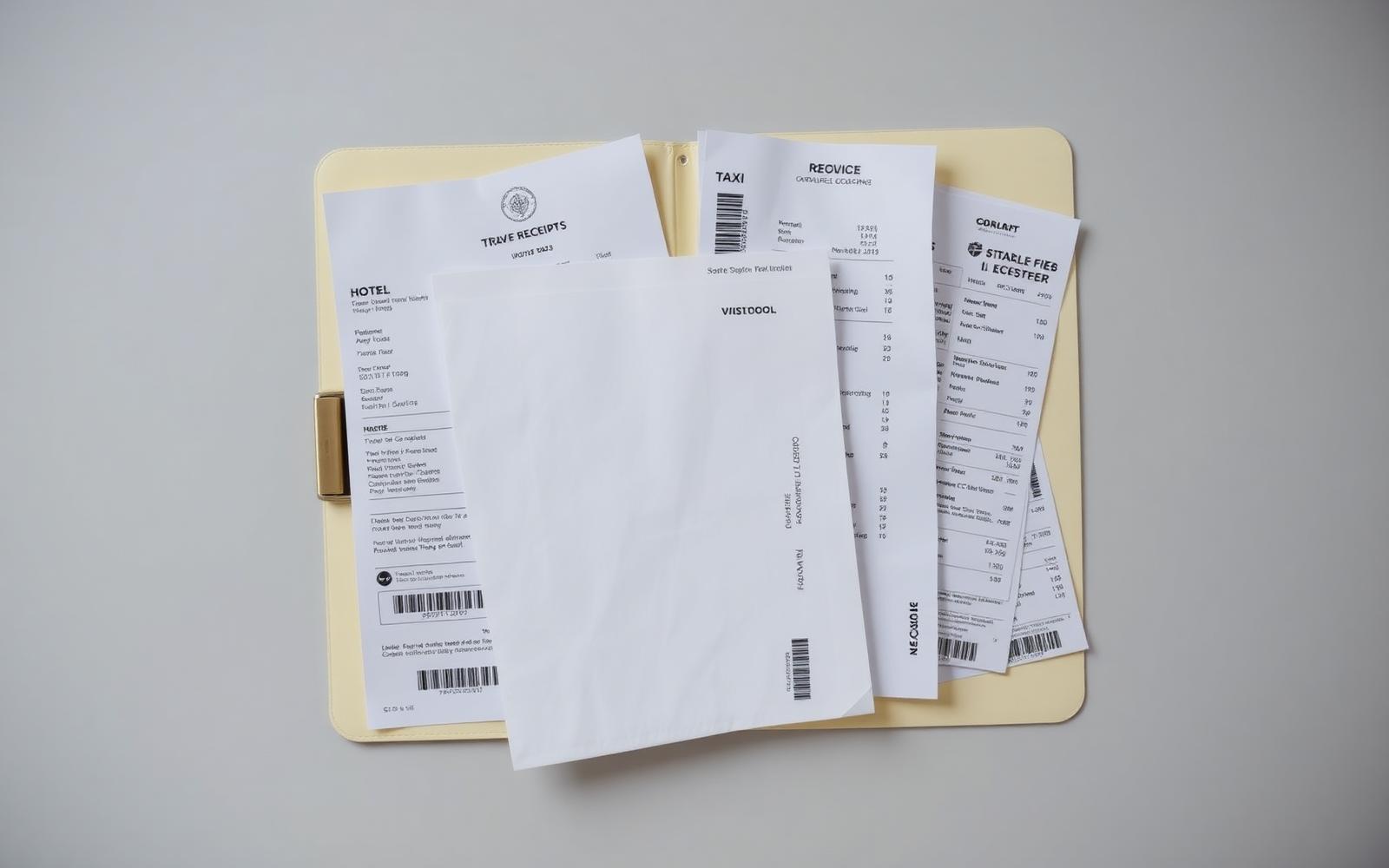
Do not attach ten photos of the departure board at Schiphol or Istanbul. One clear screenshot showing the flight number, the word cancelled and the timestamp is worth more than a dozen blurry phone photos.
Keep attachments under the airline's limit
Some webforms silently drop messages over 10MB without warning you. Compress images or send only the page of the PDF that matters.
| Channel | Typical speed | Best used for |
|---|---|---|
| Airline webform | 3 to 10 business days | Standard cancellations and delays with clear documentation |
| Live chat | Same day, but limited authority | Confirming what documents you need before you formalize a claim |
| Registered email to customer relations | 1 to 3 weeks | Cases already rejected once, or disputes over the applicable rule |
| Travel agency or OTA support | Varies, often slower | Bookings made through Expedia, Booking.com or a similar reseller |
If you booked through an agency rather than directly with Emirates or LATAM, your first message should still go to the agency, since the airline will usually refuse to refund a payment it never directly received.
Anger reads as noise to a claims processor. It doesn't change the outcome, and it can slow it, since some queues flag emotional language for manual review, which adds days.
Calm and specific works better. State the facts, cite the rule, and say plainly what you want. If the agent has discretion, a message that is easy to act on is more likely to get the generous read.
One line that helps more than complaints
Something like 'I understand delays happen, I am simply asking that the refund follow the airline's published policy for this fare type' tends to get a faster, cleaner response than a message listing every inconvenience.
If two weeks pass with no reply, resend the same message with 'Second request' in the subject line and include the date of your original email. Do not rewrite it from scratch, since consistency helps if the case escalates.
If you get a form rejection that does not address your specific rule, reply quoting the exact clause of the policy you believe applies, and ask the agent to confirm in writing why it does not apply to your case.
Do not accept a vague no
An airline that replies only with 'not eligible' without citing a reason has usually not reviewed the case properly. Ask for the specific policy clause used to deny it.
For EU and UK departures, the next step after an unanswered or rejected claim is usually the national aviation authority or an approved alternative dispute resolution body, not a lawyer. This route is free and airlines respond faster once a formal complaint is filed there.
If the airline confirms in writing that a refund was approved and paid, but it never arrives, that is a chargeback situation, not a policy dispute, and your card issuer is the faster route.
If the airline has gone silent for over six weeks with no confirmation either way, most card issuers will still accept a dispute based on services not rendered, especially for a cancelled flight, even without the airline's written confirmation.

A refund request is not a complaint letter, it is a short document built to be processed quickly by someone who did not book your trip and does not know your context. Give them the reference, the facts, the rule and the ask, in that order, and most of the friction disappears.
Keep a simple log of what you sent and when. It costs five minutes and it is the single biggest difference between a case that resolves in three weeks and one that drags for three months because nobody can recieve a straight answer about what was already sent.
If the airline goes quiet or refuses without a real reason, you still have options through regulators and your card issuer. Neither requires a lawyer, and both work better when your original request was clean enough to reference directly.
This guide was written and checked against the following categories of primary source.
Air passenger rights regulators
Enforcement body guidance on refund entitlements and payment timelines.
Official airline refund and fare rules
Published fare conditions covering refundability, credits and residual value.
Consumer protection authorities
Guidance on chargebacks, disputes and escalation routes.
International aviation organisations
Industry standards on ticket taxes, charges and their treatment on unused travel.
Related
Guides that answer the questions readers usually have immediately after this one.
Credit is offered first because it is cheaper for the airline. Sometimes it is still better for you.
Read Guide
Realistic timelines by payment method, and what to do when they pass.
Read Guide
The evidence that makes later claims straightforward instead of exhausting.
Read GuideNext steps
Airport Guides
Travel Change Desk
Route Alternatives Desk
Updated 20 July 2026
Updated 14 July 2026
Updated 9 July 2026
Updated 25 June 2026
Newsletter
A short email when a rule changes, a new guide lands, or a document requirement shifts. No promotions, no fares, no noise.
Open the Helpdesk. Eight desks, one structure, and an answer to the question you actually have.