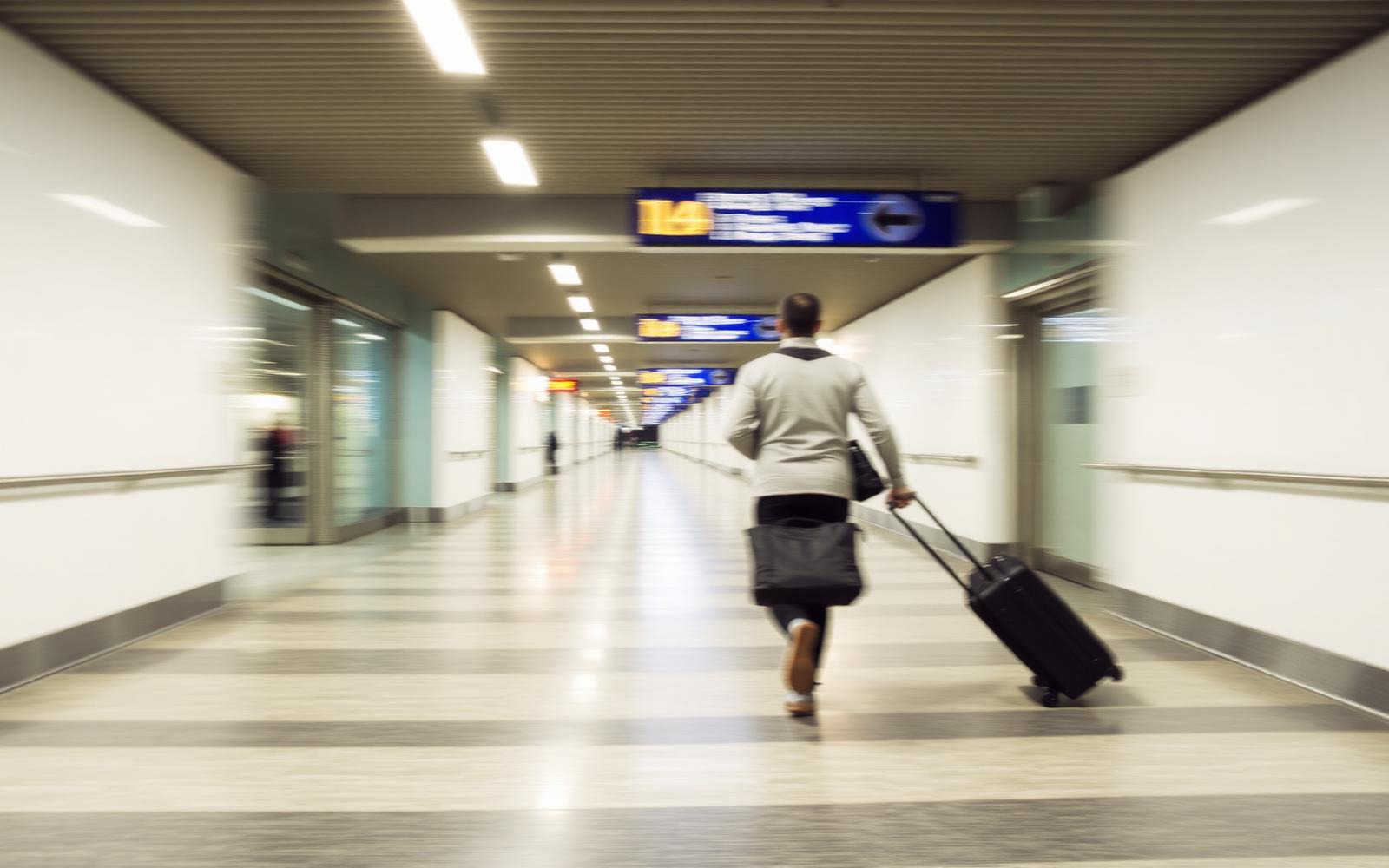
How Much Connection Time Is Genuinely Safe?
Minimum connection times are a legal floor, not a recommendation. Here is how to build a realistic buffer.
Read GuideTwo separate tickets can cut the price of a long journey. They also move all connection risk onto you.
Rules change without notice. Confirm anything time-critical with the airline, airport or border authority handling your journey before you travel. Read our fact checking policy.
A split ticket is two independent contracts. If the first is late, the second airline owes you nothing.
Leave a generous buffer, ideally an overnight one on long journeys.
Keep hand baggage only so you never re-check bags between tickets.
Price a protected single ticket before choosing the split.
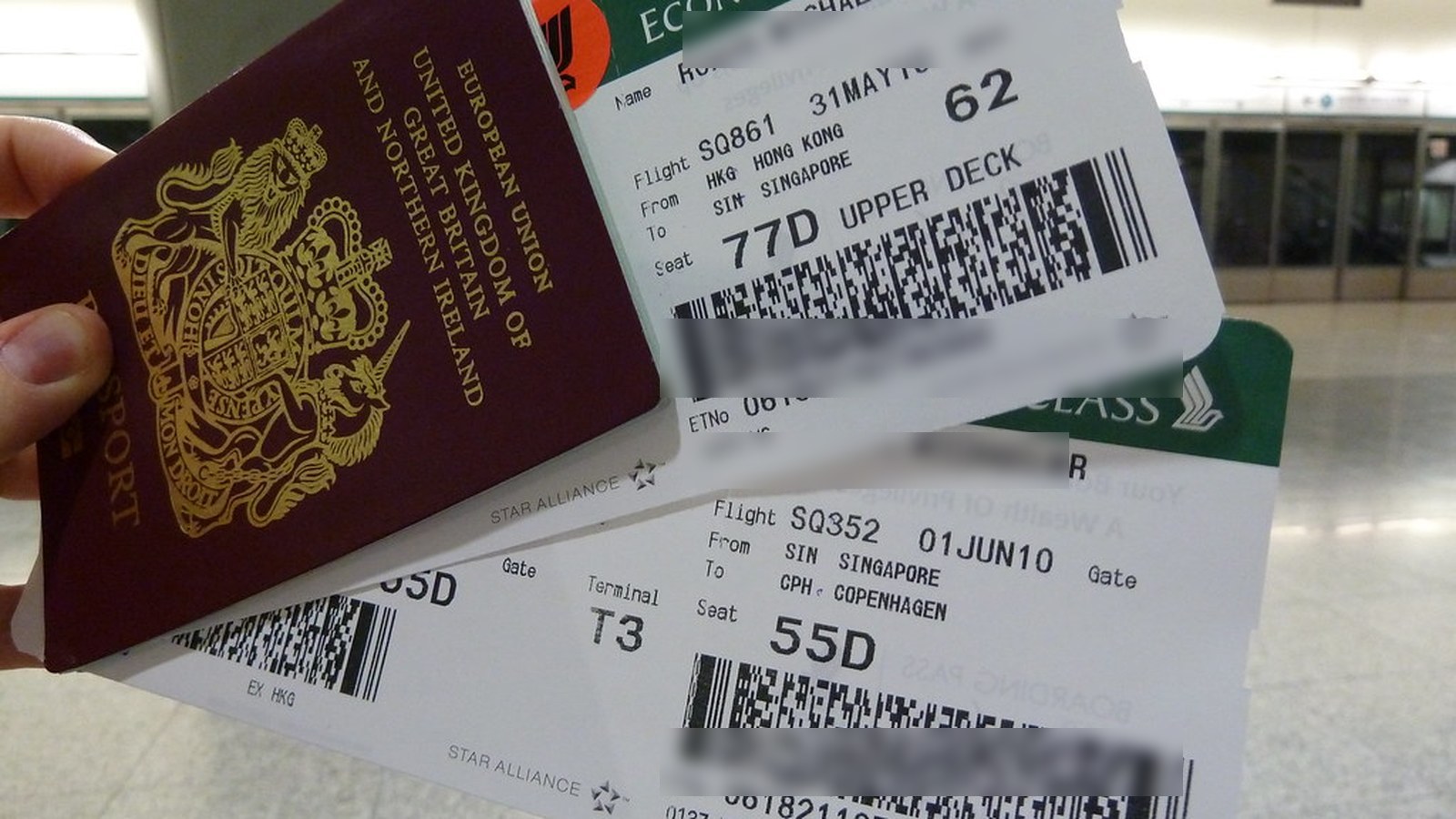
A split ticket looks like a single trip on your calendar but it is legally two, or sometimes three, separate purchases. You might fly Ryanair from Manchester to Frankfurt, then buy a completely unrelated Lufthansa ticket from Frankfurt to Dubai. Nothing on either ticket tells either airline that the other one exists.
The appeal is obvious. Pricing two short-haul fares independently often beats the price of one connecting itinerary, sometimes by a wide margin, especially on routes where low-cost carriers only sell point to point. The saving is real and it is legal.
What is not obvious, until something goes wrong, is that you are the one holding the connection together. There is no interline agreement, no rebooking obligation, no shared baggage system linking the two contracts. This guide walks through where that risk actually lives and how experienced travelers manage it.
A split ticket exists whenever your journey is built from two or more bookings that are not tied together under one PNR and one fare rule. Buying a Ryanair fare to Frankfurt and a separate Emirates fare onward to Dubai is a split ticket, even if you book both on the same afternoon through the same travel site.
Compare that to a normal connecting itinerary, where Lufthansa sells you Manchester to Frankfurt to Dubai as one ticket, one price, one set of rules. In that case Lufthansa is responsible for getting you the whole way, including rebooking you if the first leg runs late.
Interlining is the missing piece
Interlining is the agreement that lets one airline accept responsibility for a passenger connecting onto another airline's flight. Split tickets by definition have no interline agreement between the two purchases, so neither carrier owes the other passenger protection.
Airlines price a connecting itinerary as a package, and that package price is not simply the sum of the two segments. Fare rules, revenue management and codeshare agreements often push a single-ticket connection higher than the two legs bought separately, particularly when a low-cost carrier is involved on one side.
Ryanair, for example, does not sell connecting itineraries at all in the traditional sense. If you want to use a Ryanair flight into Frankfurt as the first half of a longer trip, buying it as a standalone one-way fare and pairing it with a separate onward ticket is often the only way to include that carrier in your route.
A real fare comparison
On a Manchester to Dubai search, a single connecting ticket via Frankfurt on Lufthansa priced at 612 GBP. A split combination of a Ryanair one-way to Frankfurt plus a separate Lufthansa one-way to Dubai priced at 401 GBP for the same dates. The saving reflects real risk being shifted onto the traveler, not a pricing mistake.
If your first flight is delayed and you miss the connection you booked separately, the second airline treats you as a simple no-show. Your ticket is void, there is no automatic rebooking, and depending on the fare you may not recieve any refund for the unused segment.
No-show clauses cut both ways
Many fares also cancel the return or onward portion of a ticket if you miss the first leg entirely, even for reasons outside your control. Read the fare conditions for both tickets before you rely on a tight connection.
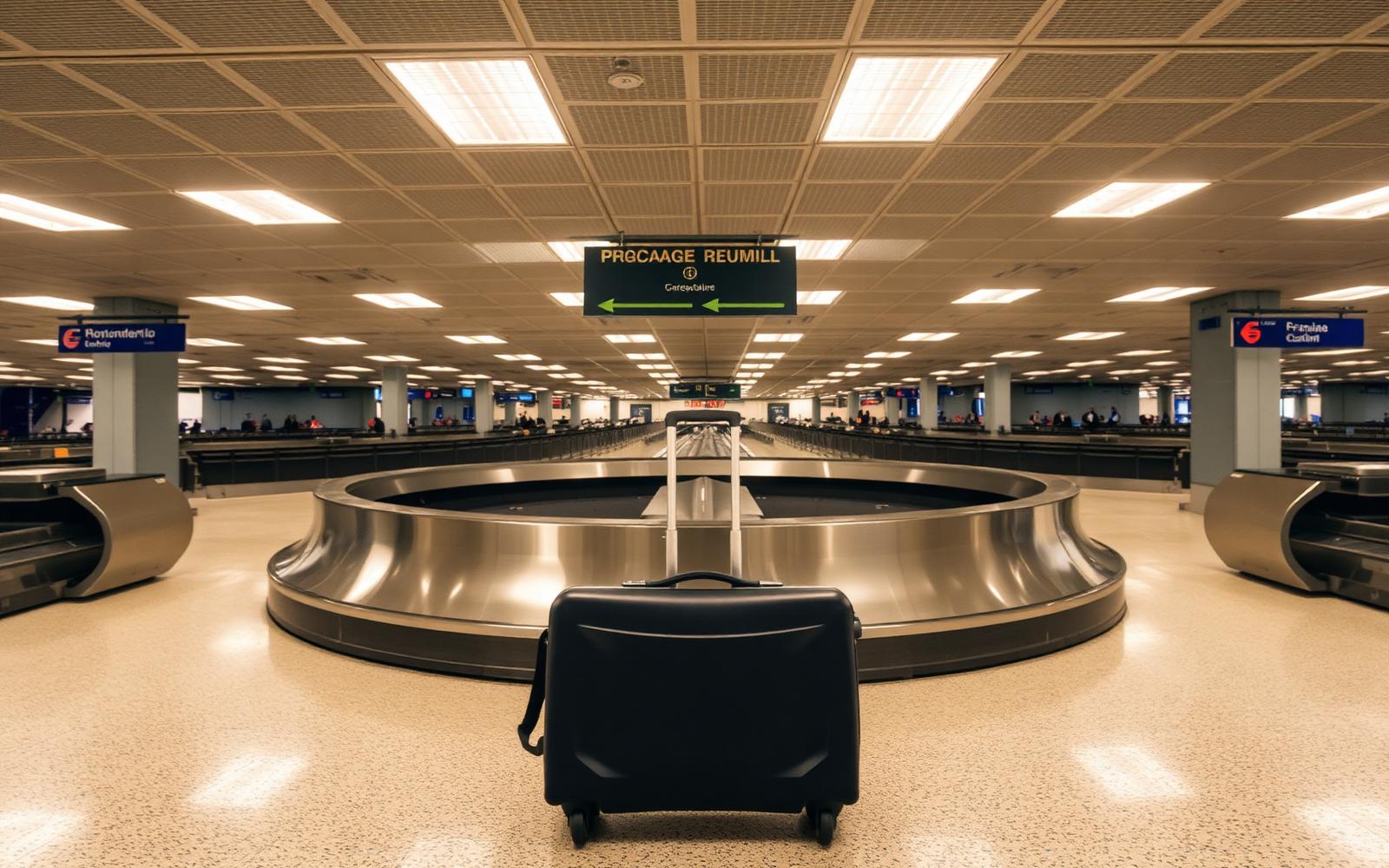
Baggage is the other place travelers get caught out. On a single interlined ticket your bags are usually checked through to the final destination. On a split ticket you normally have to collect your bag at the connecting airport, clear whatever checkpoint applies, and check in again with the second airline.
The single biggest lever you control on a split ticket is time. A three-hour gap at Amsterdam Schiphol between two unrelated tickets is not the same as a three-hour gap on one interlined booking, because you have no fallback if the first flight is late.
Consider an overnight gap
On journeys of more than about 6,000 kilometers, some travelers deliberately build in an overnight stop between the two tickets. It costs a hotel night but it turns a fragile same-day connection into two fully independent trips.
The cleanest way to remove the biggest single point of failure in a split ticket is to travel with carry-on baggage only. If you never check a bag, you never have to collect one at the connecting airport, run it through a re-check desk, and hope it clears in time.
Before committing to a split ticket, check what a single interlined itinerary costs on the same dates. Sites that search connecting fares directly, and airline alliance pages such as Star Alliance or SkyTeam, will show you the protected price side by side with the split option.
| Factor | Single connecting ticket | Split ticket (two contracts) |
|---|---|---|
| Missed connection protection | Airline rebooks you | None, you rebook yourself |
| Checked baggage | Usually through to final stop | Usually collect and re-check |
| Typical price | Higher | Often 15-35% lower |
| Refund if first leg cancels | Whole itinerary reprotected | Only that ticket, per its own rules |
| Best used when | Tight schedule, no flexibility | Generous buffer or overnight gap |
If the price gap is small, the protected single ticket is almost always the better deal once you account for the cost of a missed connection. If the gap is large, a split ticket with a wide buffer can still make sense.
Split tickets across different countries can also touch transit visa rules. Leaving the airside area at Istanbul or Dubai to re-check in with a different airline may require you to clear immigration, which changes the documents you need even for a short stopover.
Rail plus air splits work differently
Combining a train, such as Deutsche Bahn into Frankfurt Airport or Eurostar into Gare du Nord, with a separate flight is its own category. The train operator has no relationship at all with the airline, so the buffer rules above should be treated as a minimum, not a target.

Frequent flyer status and lounge access also do not carry across a split ticket unless both segments happen to be on partner airlines you already hold status with. Do not assume a priority queue or lounge invite from one ticket applies to the other.
Split ticketing is a legitimate way to cut the cost of a long journey, and on some routes, especially those involving a low-cost carrier like Ryanair, it may be the only way to include that flight at all. The saving is genuine, but it comes from you absorbing the connection risk that an airline would otherwise carry for you.
Treat the two tickets as two separate trips that happen to be back to back. Build a buffer that reflects that reality, travel light enough to avoid a baggage re-check, and read each fare's no-show and refund terms before you buy.
When the price difference between a split ticket and a protected single ticket is small, take the protection. When the gap is large and your schedule has real slack, a carefully spaced split ticket can be one of the better value moves in long-haul travel planning.
Related
Guides that answer the questions readers usually have immediately after this one.
Minimum connection times are a legal floor, not a recommendation. Here is how to build a realistic buffer.
Read Guide
Three actions in the air and on the ground that keep your itinerary alive.
Read Guide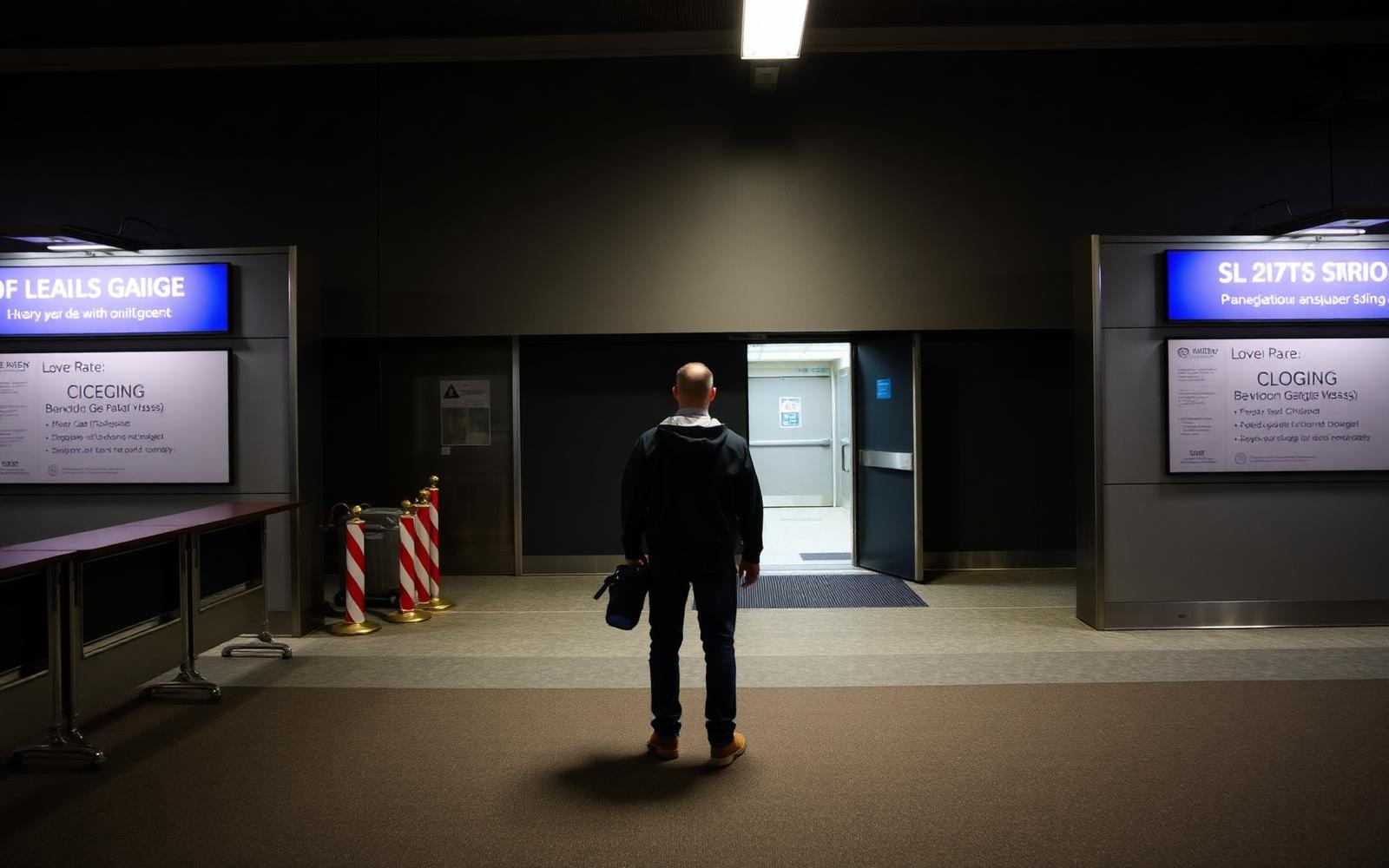
The uncomfortable answer, and the three moves that limit the damage.
Read GuideNext steps
Travel Planning
Airline Rules Desk
Travel Documents
Updated 20 July 2026
Updated 14 July 2026
Updated 9 July 2026
Updated 25 June 2026
Newsletter
A short email when a rule changes, a new guide lands, or a document requirement shifts. No promotions, no fares, no noise.
Open the Helpdesk. Eight desks, one structure, and an answer to the question you actually have.