
Travel Change Desk5 min
Can You Change a Flight Date After Check-In Opens?
Online change tools usually disappear once check-in opens. Here is what still works and how quickly you need to move.
Read GuideTwo different charges hide behind one number at checkout. Knowing which is which tells you whether waiting will help.

Rules change without notice. Confirm anything time-critical with the airline, airport or border authority handling your journey before you travel. Read our fact checking policy.
A change fee is fixed by the fare rules. A fare difference is the live price gap on the day you change, and it moves with demand.
Read the fare rules to confirm whether a fixed change fee exists at all.
Price the new date at different times of day before committing.
Compare the total change cost against a fresh one-way ticket.
You want to move a flight by three days. The airline quotes 260 euros. The website said the change fee was 70. Where did the other 190 come from?
Almost every confusing change quote is two separate numbers presented as one: the change fee, which is a penalty set by the fare rules, and the fare difference, which is the gap between what you paid and what the new flight costs today.
Once you can see the two numbers separately, you can attack them separately. One of them is negotiable in a sense, the other almost never is.
The change fee is a fixed penalty written into the fare rules of the ticket you bought. It does not care what the new flight costs. It is charged simply because you are altering a ticket that was sold on the condition that you would not.
The fare difference is arithmetic. The airline reprices your itinerary at today's availability, subtracts what you already paid, and charges you the gap. If the new flight is cheaper, most airlines keep the difference or hand it back as a credit rather than cash.
| Change fee | Fare difference | |
|---|---|---|
| What sets it | The fare rules of your original ticket | Live availability on the new date |
| Can it be zero? | Yes, on flexible and many US main-cabin fares | Yes, if the same booking class is still open |
| Refunded if new fare is cheaper? | No | Rarely as cash, sometimes as credit |
| Changes hour to hour? | No | Yes, constantly |
Airlines do not sell one economy price. They sell a stack of booking classes at different prices, and the cheap ones sell out first. Your original ticket was probably in a low class that is no longer available on the new date.
So even if the new flight advertises 95 euros on the website, that price may be in a class you cannot be moved into, because it is a different fare with different rules. The airline reprices in the nearest available class, which can be considerably more.
The same flight, two prices
A traveler on an Iberia Madrid to Rome booking wanted to move from a Tuesday to the following Friday. The Friday flight showed 88 euros online. The change quote came back as 70 euro fee plus 164 euro difference, because the 88 euro fare was a promotional class with no seats left in the change-eligible bucket.
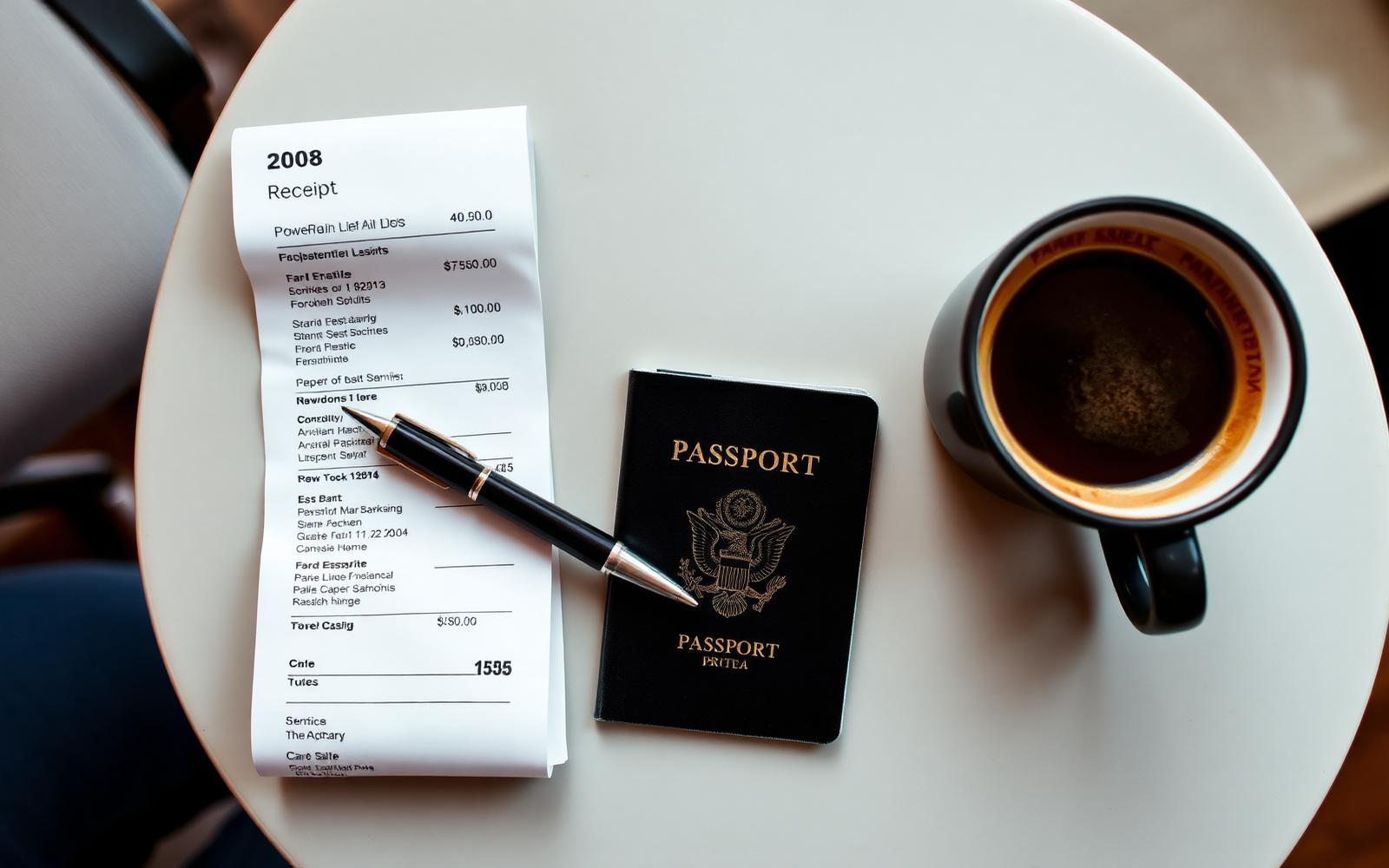
Since 2020 a large part of the industry dropped change fees on mainline fares while keeping fare differences firmly in place. That shift is why so many travelers now expect changes to be free and are surprised by a bill.
No change fee is not the same as free
A carrier advertising no change fees is telling you one of the two numbers is zero. The fare difference can still be several hundred euros on a busy date.
You cannot argue the change fee away, it is contractual. But the fare difference is a function of which flight you pick, and that is under your control.
The abandon-and-rebook test
If the change quote exceeds the price of a fresh one-way ticket, buy the new ticket instead. Just make sure the abandoned flight is not the outbound leg of a return, since a no-show can cancel the rest.
A proper change quote should show the original fare, the new fare, the difference, the penalty and any tax adjustment. If an agent quotes one lump sum, ask for the breakdown before agreeing.
| Line on the receipt | What it means |
|---|---|
| Fare used | The value of your original ticket being applied |
| New fare | The repriced itinerary at today's availability |
| Penalty or CP | The change fee from the fare rules |
| Add collect | What you actually pay now |
| Tax difference | Adjustment for route or airport tax changes |
Watch for a second service fee
If the ticket was bought through an agency, expect an additional handling fee of roughly 25 to 50 euros per passenger on top of both airline numbers.
Every change quote is two numbers. The change fee comes from your original fare rules and is fixed. The fare difference comes from live availability and moves constantly.
No change fee does not mean free. It means one of the two numbers is zero, and the difference can still be large on a popular date.
You cannot negotiate the fee, but you can shrink the difference by shifting the date, the time of day, or the airport.
Always ask for the breakdown, and always compare the total against the price of simply buying a new one-way ticket.
This guide was written and checked against the following categories of primary source.
Official airline fare rules
Change conditions, fare difference treatment and name correction policy.
Carrier conditions of carriage
The contractual terms governing changes to a confirmed booking.
Air passenger rights regulators
Rules on cancellation windows and involuntary schedule changes.
Related
Guides that answer the questions readers usually have immediately after this one.
Online change tools usually disappear once check-in opens. Here is what still works and how quickly you need to move.
Read Guide
Moving to an earlier flight can rescue a day, or waste money. A simple test tells you which.
Read Guide
Non-refundable rarely means nothing comes back. It means the fare itself is not returned.
Read GuideNext steps
Airport Guides
Flight Delays
Travel Planning
Updated 20 July 2026
Updated 14 July 2026
Updated 9 July 2026
Updated 2 July 2026
Newsletter
A short email when a rule changes, a new guide lands, or a document requirement shifts. No promotions, no fares, no noise.
Open the Helpdesk. Eight desks, one structure, and an answer to the question you actually have.